
Medical detox is the supervised removal of drugs or alcohol from the body, designed to safely manage withdrawal symptoms that can range from uncomfortable to life-threatening. Conducted under physician and nursing oversight, the process involves three phases: evaluation, stabilization, and treatment planning.
Medications such as benzodiazepines, buprenorphine, and methadone may be used to ease withdrawal. Medical detox is typically the first step before entering a residential or outpatient addiction treatment program.
Medically Reviewed By

Dr. Roland Segal is a distinguished psychiatrist and medical reviewer who holds the role of Medical Director and Psychiatrist.
Insurance Accepted
Accreditations & Licensing

All information shared with our team is protected under HIPAA. We will never share your personal information without your written consent.
Admissions
Accepting Admissions 24/7
regarding a medical or mental health condition.
Program Statistics
Detoxification to Prepare for Admission and Addiction Treatment
Catalina Behavioral Health provides behavioral health, addiction treatment, and dual diagnosis care for adults in Tucson, Arizona. Catalina Behavioral Health does not provide on-site medical detox.
Some adults may need medical detox, hospital-based stabilization, medical clearance, or another pre-admission step before beginning treatment. The type and level of withdrawal support required can differ widely depending on factors such as the substances involved, overall health, current physical and psychological symptoms, and potential safety concerns. Our admissions team can walk through your circumstances with you and help determine whether another level of care should come first before entering residential treatment, PHP, IOP, or outpatient services at Catalina.
Keep reading to find out more about medical detox and getting clean and sober at Catalina Behavioral.
If you or someone else is in immediate danger, call 911. If you need immediate support, call or text 988.
Learn More About Accredited Recovery Programs – Call Now!
Who Benefits from a Medical Detox Program?
Medical detox may be appropriate for adults who are at risk of withdrawal symptoms that require medical monitoring. This can include people who have been using alcohol, benzodiazepines, opioids, or certain other substances, especially when there is a history of severe withdrawal, seizures, confusion, significant physical illness, pregnancy, suicidal thoughts, or other safety concerns.
Not every person struggling with a drug abuse issue or addiction needs medical detox before treatment, and not every withdrawal situation can be managed in the same setting. A qualified medical professional can help determine the safest level of care based on symptoms, medical history, substance use patterns, and current risks.
Catalina Behavioral Health can discuss whether treatment at our Tucson facility may be appropriate after detox, stabilization, medical clearance, or another recommended pre-admission step.
Overcoming Withdrawal Symptoms

Withdrawal symptoms can affect the body, mood, sleep, appetite, and ability to think clearly. Symptoms may include anxiety, sweating, nausea, vomiting, shaking, insomnia, cravings, muscle aches, agitation, or changes in heart rate or blood pressure. In some cases, withdrawal may involve seizures, hallucinations, delirium, or other medical emergencies.
Adults who may be at risk for complicated withdrawal should not try to manage severe symptoms alone. Emergency care, hospital-based stabilization, or medical detox may be needed before beginning behavioral health or addiction treatment.
The following substances all potentially require the need for medical detox:
- Alcohol
- Opioids
- Benzodiazepines
- Meth
- Cocaine
- Prescription medications
- Synthetic or Designer Drugs (such as Spice, K2, and bath salts)
How Does Medical Detox Work for Drug Abuse?
Medical detox generally focuses on evaluation, stabilization, and planning for the next level of care. The process may include medical assessment, symptom monitoring, medication when clinically appropriate, and planning for continued treatment after the person is medically stable.
We can help adults and families understand whether treatment at Catalina may be appropriate after detox, medical clearance, or stabilization is complete.
Evaluation of Substance Use
Before treatment begins, it is important to understand substance use history, current symptoms, mental health concerns, medical conditions, medications, safety risks, and past withdrawal experiences. These factors can affect whether a person is ready for residential treatment, PHP, IOP, or outpatient care.
Our admissions team may ask questions about recent substance use, withdrawal history, mental health symptoms, physical health, and previous treatment. This conversation helps determine whether Catalina may be an appropriate next step or whether a medical evaluation is needed first.
The results of the examination will be used by the doctor to formulate a treatment strategy. When medical detox is clinically indicated, it may need to be completed with an appropriate provider before admission to a suitable level of care at Catalina.
Stabilization and Care Planning
Stabilization means a person is medically and clinically ready to participate in treatment. For some adults, stabilization may happen before admission through medical detox, hospital care, urgent medical evaluation, or another provider-directed step.
Once a person is ready for treatment, Catalina Behavioral Health can provide structured behavioral health, addiction, and dual diagnosis care in Tucson. Care planning may include therapy, group support, psychiatric services when appropriate, relapse-prevention work, and step-down planning based on clinical needs.
Preparation for the Next Steps
After detox or medical clearance, many adults benefit from beginning treatment as soon as clinically appropriate. Detox may help address physical withdrawal, but continued care is often needed to address cravings, coping skills, mental health symptoms, trauma, relationships, routines, and relapse risk.
Catalina Behavioral Health offers treatment options that may include residential care, PHP, IOP, and outpatient programming. The appropriate level of care depends on clinical assessment, safety needs, treatment history, support at home, and recovery goals.
Medical Detox Hotline – Immediate Help
Exit Strategies and Detoxification Types
Detox settings and approaches vary. Some adults need medically managed detox. Others may be medically cleared through an outside provider before beginning treatment. The appropriate setting depends on withdrawal risk, physical health, mental health symptoms, medications, substance use history, and safety concerns.
Catalina Behavioral Health does not provide on-site medical detox. If detox or withdrawal management may be needed, our admissions team can discuss the situation and help determine whether an outside medical evaluation or another pre-admission step may be appropriate before treatment begins.
After detoxification and a treatment program, our team suggests that clients seek local twelve-step programs and other types of support groups.
Sober Support Systems Following Detox

These days, it’s common for centers that treat substance abuse and alcohol abuse to include both medical and social approaches. While getting professional medical care, clients at these centers have the option to participate in 12-step programs like Alcoholics Anonymous and Narcotics Anonymous, as well as SMART Recovery.
After medically supervised detox and stabilization, some adults continue through a step-down program based on clinical assessment. Aftercare and alumni support can help people stay connected after formal treatment.
No matter what kind of detox program is being used, SAMHSA has established certain universal standards for success. Even for detox from ketamine and similar drugs, where the symptoms are largely psychological, a medical setting is advised for the following reasons:
- In accordance with these rules, teach the person how to withdraw safely.
- Engage support networks such as friends, family members, and peer groups.
- Preserve an alcohol- and drug-free atmosphere.
- Improve your motivation by using the methods provided.
- Cultivate a connection with the client that can lead to therapeutic change.
Both the social and the medical detox models share a focus on the client’s well-being and safety during the process. Unfortunately, not all methods are harmless, no matter how well-meaning their proponents may be.
The Risks of “Cold Turkey” Detox
Many people who struggle with alcohol or drug addiction try to kick the habit by “going cold turkey.” When someone is physically or psychologically reliant on a substance, the cold-turkey method might be fatal.
Attempting to stop without first gradually reducing intake (known as “tapering”) is associated with more painful withdrawal symptoms. A fatal overdose can occur during the withdrawal process for people with serious addictions to alcohol or benzodiazepines.
Accelerated Detoxification: A Risky Proposition
Ultra-rapid detox methods were created in the early 1990s to help heroin and opiate addicts cope with withdrawal. Ultra-rapid detox, however, has been shown in a number of studies to not only not reduce withdrawal but also to pose significant hazards to patients.
During ultra-rapid detox, patients are sedated and then given a drug that accelerates the withdrawal process. Patients were expected to rest through the most uncomfortable periods of withdrawal.
However, research shows that individuals who received the medication still had withdrawal symptoms upon waking. Unfortunately, the procedure was not sped up by this approach, and patients with preexisting medical illnesses, including diabetes, heart disease, HIV/AIDS, or co-occurring mental health issues, were at risk for consequences.
Medication Assisted Treatment and Medical Detox
Medication-assisted therapy aims to alleviate symptoms and restore health by eliminating the need for the client to deal with withdrawal. The procedure is supervised by a doctor or a team of medical professionals, such as nurses or other specialists in mental health.
The majority of drugs used to treat withdrawal symptoms focus on alleviating physical symptoms like aches and pains, nausea and vomiting, and sometimes even seizures and tremors. Unfortunately, there is no prescription that will speed up the body’s natural detoxification processes, although there are several that can help with cravings.
The following substances are used throughout the detox process:
Benzodiazepines and the Risk of Seizures
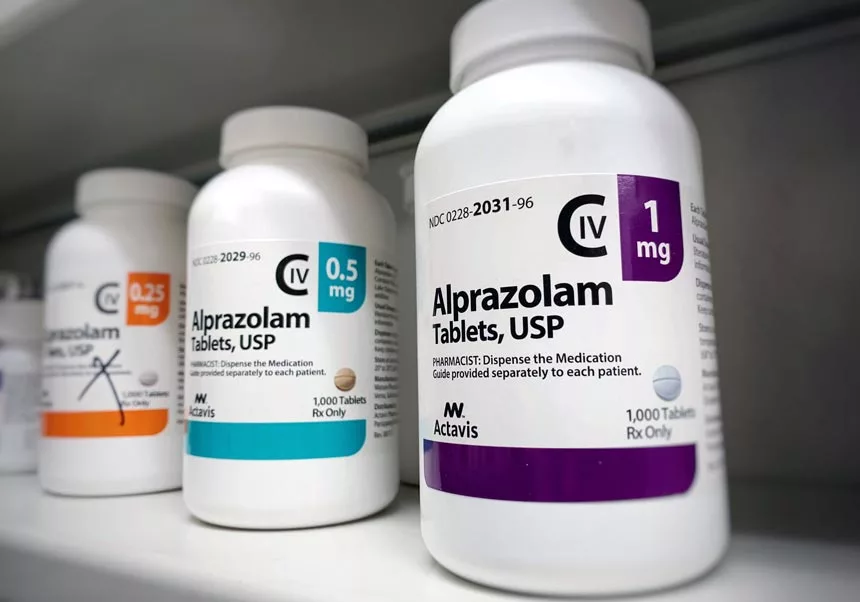
Benzodiazepines are prescribed by doctors for the treatment of anxiety, insomnia, and alcohol withdrawal. Although benzos are the medicine of choice for alcohol detox, their significant misuse potential means they are often exclusively used in inpatient institutions rather than outpatient clinics.
The medication reduces shaking and nervousness and lessens the likelihood of having a seizure or delirium.
Detoxification benzodiazepines include, among others, Librium (chlordiazepoxide), Valium (diazepam), Ativan (lorazepam), Serax (oxazepam), and Klonopin (clonazepam).
During medical detox at benzo rehabs Arizona, and elsewhere, doctors often administer long-acting benzodiazepines like Valium, but patients with liver issues may benefit more from short-acting medicines like Ativan or Serax.
The medications can also be used to lessen the effects of anxiety brought on by hallucinogens like LSD. Patients will be weaned off benzodiazepines gradually over the course of several days once they have stabilized. Suddenly, withdrawal symptoms from stopping a high dose of benzodiazepines might be severe in itself.
Anticonvulsants as Taper Medications
Anticonvulsants are used to prevent or lower the risk of seizures, especially in the case of alcohol addiction. You’ll often see them employed in the context of benzodiazepine and alcohol withdrawal. There is evidence that anticonvulsants are effective at regulating mood in people with bipolar illness.
Atretol (esketamine), Neurontin (gabapentin), and Trileptal (oxcarbazepine) are a few of the anticonvulsants that may be prescribed during detox.
Women who are pregnant and going through detox should be informed of the link between anticonvulsants and birth defects.
Antipsychotics in Medical Detox Settings
Addiction experts utilize antipsychotics to treat agitation, delusions, hallucinations, and delirium during medically supervised detox. Even though they can raise the risk of seizure in some people, they are frequently used to treat psychotic symptoms in patients with co-occurring mental health conditions.
While antipsychotics are often used during alcohol detox, they are seldom utilized to manage hallucinogen-induced psychosis. When it comes to antipsychotics, Haldol (haloperidol) is among the most often utilized. Most facilities avoid older antipsychotics like Thorazine (chlorpromazine) because of the risk they pose to patients by lowering their seizure threshold.
Antidepressants in Dual Diagnosis Cases

Co-occurring mental health illnesses are frequent, and antidepressants are often recommended to treat them; however, these medications can have undesirable side effects, including sleepiness, high blood pressure, and even loss of consciousness.
Anxiety, sleepiness, and sleeplessness have been linked to selective serotonin reuptake inhibitors, a relatively new family of antidepressants. As an added downside, users who suddenly cut back on their drug use may experience withdrawal symptoms.
However, for individuals with clinical depression or suicidal ideation, the medications can be helpful. Many people choose SSRIs since they produce fewer adverse effects and don’t interact badly with other medications.
Clients detoxing from amphetamines or hallucinogens are more likely to obtain antidepressants than those detoxing from other substances because they commonly feel depression during withdrawal.
Insomnia during detox is sometimes treated with sedative antidepressants like Oleptro (trazodone) or Tofranil (imipramine). Because of the potential for increased seizure risk, their usage requires caution.
Clonidine and Blood Pressure in Detox
Clonidine, a blood pressure medication, is sometimes recommended to individuals undergoing multiple drug detoxification. Clonidine can lessen the severity of alcohol withdrawal symptoms in those who have heart disease or high blood pressure. However, it does not lessen the possibility of a seizure or delirium.
Though clonidine may help alleviate certain withdrawal symptoms from opioids, it’s usually combined with other drugs because it isn’t as effective as methadone or buprenorphine on its own.
Methadone as a MAT Option
It’s important to note that methadone is a prescribed opioid. Among medications used for opioid withdrawal, it is by far the most popular. Those seeking to detox from opioids can only get a prescription for methadone from a clinic that has been approved by the government. The medication reduces cravings and other withdrawal symptoms, typically on an outpatient treatment basis.
Methadone is also highly addictive, and misuse can lead to physical dependence, psychological dependence, and even death. This is why there are so many rules surrounding the usage of methadone in detox.
To begin methadone detox, a qualified medical professional will determine the optimal methadone dosage to minimize withdrawal symptoms. After then, the dosage is gradually decreased over the course of three to five days, usually by 5 or 10 milligrams each day. Patients with more severe addictions may require methadone maintenance therapy, which is a long-term treatment for addiction, but not an option offered at Catalina Behavioral Health.
24 Hour Addiction Treatment – Get Help Now
Buprenorphine (Suboxone as MAT Medication)
Buprenorphine is a relatively new medicine that many experts feel can successfully replace methadone in the treatment of opioid withdrawal. Buprenex, an injectable form of buprenorphine, has been authorized by the FDA for use in opioid detox. Other versions of buprenorphine, such as Subutex and Suboxone, are licensed for addiction treatment but are not recommended for usage during detox, but more often as a part of an inpatient or outpatient program following detox from opiates.
Buprenorphine is significantly safer than methadone and effective in alleviating withdrawal symptoms. On the other hand, it has little possibility of inducing euphoria or suppressing breathing. Certified doctors can prescribe can also provide medication assisted treatment for outpatient detox.
Additional Options for MAT in Detox

Patients may encounter a broad assortment of withdrawal symptoms during detox. Medication is commonly prescribed by doctors to manage withdrawal symptoms when they arise.
Common medicines or supplements used during detox include:
- Anti-nausea medicine, such as Zofran (ondansetron) or Pepto-Bismol (bismuth subsalicylate)
- Options to relieve pain and lower temperature, such as acetaminophen (Tylenol), ibuprofen (Advil), or aspirin
- Sedatives, such as Benadryl (diphenhydramine) or Vistaril (hydroxyzine)
- Fiber pills, milk of magnesia, and other laxatives are available.
In an effort to alleviate their patients’ discomfort, medical staff must balance the risks of adverse drug reactions with the benefits of giving patients the pharmaceuticals they need.
Preparing for Medical Detoxification
Preparing for detox or treatment begins with honest information about recent substance use, medical history, medications, mental health symptoms, previous withdrawal experiences, safety concerns, and current support. These details can help determine whether detox, medical clearance, or another step is needed before treatment.
For adults seeking care at Catalina Behavioral Health, admissions can review basic information and discuss possible treatment options. If withdrawal risks or medical concerns are present, additional medical evaluation may be needed before admission to residential treatment, PHP, IOP, or outpatient care.
Acute Alcohol Withdrawal
Detoxing requires close medical care for those with moderate to severe alcohol dependency. Alcohol withdrawal symptoms can start while there is still alcohol in the blood, although they often appear between six and twenty-four hours after the last drink.
Symptoms include:
- Anxiety
- Fever
- Nausea
- Vomiting
- Insomnia
- Hallucinations
- Delusions
- Seizures
Without medical care, alcohol withdrawal may be lethal. It can lead to potentially fatal blood pressure, heart rate, and temperature elevations. Death can also be the result of delirium tremens or seizures.
In a drug-free alcohol detox program, patients will be provided with one-on-one care, as well as access to water and food. If you have a minor alcohol use disorder and have never gone through alcohol withdrawal before, you may find success with nonmedical methods, but it is best to consult a physician or our team for a confidential assessment of your needs.
Opioid Withdrawal Symptoms in Detox

Opioid withdrawal symptoms are unpleasant but seldom life-threatening. There is a lot of overlap between the withdrawal symptoms of pharmaceutical opioids like oxycodone, fentanyl, and codeine and illicit drugs like heroin. The intensity and duration of opioid withdrawal symptoms vary, depending on the substance in question.
Heroin withdrawal symptoms often appear between 8 and 12 hours after the last dosage, and detoxing from heroin addiction typically takes three to five days. Rapid deterioration into severe withdrawal symptoms begins about day two following the last dosage of methadone. It takes at least three weeks to detox from methadone use.
Opioid withdrawal causes the following symptoms:
- Racing heart
- Chronic hypertension
- Fever
- Insomnia
- Sweating
- Nausea
- Vomiting
- Pain in the Muscles
- Anxiety
Medication to alleviate withdrawal symptoms is recommended for people undergoing opioid detox. According to the Substance Abuse and Mental Health Services Administration (SAMHSA), avoiding medically assisted detox can lead to needless suffering.
Detoxification from opioids may involve the use of medications such as:
- Methadone
- Buprenorphine
- Clonidine
- Sedatives
- Stomach medication
- Laxatives
Get Immediate Help – Call Now!
Recover Without Painful Detox or Withdrawal Issues
Catalina Behavioral Health understands that withdrawal concerns can be one of the most difficult parts of seeking help. We do not provide on-site medical detox, and we do not want adults or families to be misled about the services available at our Tucson facility.
When detox, withdrawal management, medical clearance, or stabilization may be needed before admission, our admissions team can discuss your situation and help identify appropriate next steps. Once a person is medically and clinically ready for treatment, Catalina can provide structured care for addiction, mental health, and dual diagnosis needs.
For more information about admission to Catalina Behavioral Health, contact our admissions team today.
FAQs About Medical Detox at Catalina
What is medical detox?
Medical detox is a supervised process that helps a person stop using drugs or alcohol while monitoring withdrawal symptoms and safety concerns. The exact approach depends on the substance used, medical history, withdrawal risk, current symptoms, and clinical assessment.
When is medical detox necessary?
Medical detox may be necessary when withdrawal symptoms are uncomfortable, unsafe, or medically complicated. Alcohol, benzodiazepines, opioids, and other substances can require professional support. People experiencing severe withdrawal symptoms, confusion, seizures, chest pain, or immediate danger should seek emergency medical help.
Is detox enough to treat addiction?
Detox can help address physical withdrawal, but it is usually only the first step. Many people need ongoing treatment such as residential care, PHP, IOP, therapy, dual diagnosis treatment, relapse-prevention planning, or aftercare support after detox.
Does Catalina Behavioral Health provide medical detox?
Catalina Behavioral Health does not provide on-site medical detox. Some adults may need detox, hospital-based stabilization, medical clearance, or another pre-admission step before beginning treatment at Catalina.
What happens if I need detox before admission?
Our admissions team can discuss your situation and help determine whether an outside medical evaluation, detox setting, hospital-based care, or another pre-admission step may be appropriate before treatment begins.
Can I come to Catalina after detox?
Many adults begin treatment after detox, stabilization, or medical clearance. Admission depends on clinical fit, safety needs, current symptoms, treatment history, and the level of care that is appropriate at the time.
How does Catalina determine the right level of care after detox?
Admissions and clinical review consider current symptoms, substance use history, mental health needs, medical concerns, safety risks, home support, prior treatment, and recovery goals. Recommendations may include residential treatment, PHP, IOP, outpatient care, or another appropriate option.
Resources:
American Society of Addiction Medicine. (2020). The ASAM clinical practice guideline on alcohol withdrawal management. Journal of Addiction Medicine, 14(3S), 1–72. https://www.asam.org/quality-care/clinical-guidelines/alcohol-withdrawal-management-guideline
MedlinePlus. (2025). Alcohol withdrawal. U.S. National Library of Medicine. https://medlineplus.gov/ency/article/000764.htm
MedlinePlus. (2025). Delirium tremens. U.S. National Library of Medicine. https://medlineplus.gov/ency/article/000766.htm
National Institute on Drug Abuse. (2018). Principles of drug addiction treatment: A research-based guide (3rd ed.). National Institutes of Health. https://nida.nih.gov/sites/default/files/podat-3rdEd-508.pdf
Substance Abuse and Mental Health Services Administration. (2006). Detoxification and substance abuse treatment: Treatment Improvement Protocol (TIP) Series 45. U.S. Department of Health and Human Services. https://www.ncbi.nlm.nih.gov/books/NBK64115/
Substance Abuse and Mental Health Services Administration. (2021). Medications for opioid use disorder: Treatment Improvement Protocol (TIP) Series 63. U.S. Department of Health and Human Services. https://www.samhsa.gov/resource/ebp/tip-63-medications-opioid-use-disorder
Substance Abuse and Mental Health Services Administration. (2023). SAMHSA’s National Helpline. https://www.samhsa.gov/find-help/helplines/national-helpline
988 Suicide & Crisis Lifeline. (n.d.). About 988. https://988lifeline.org/about/