
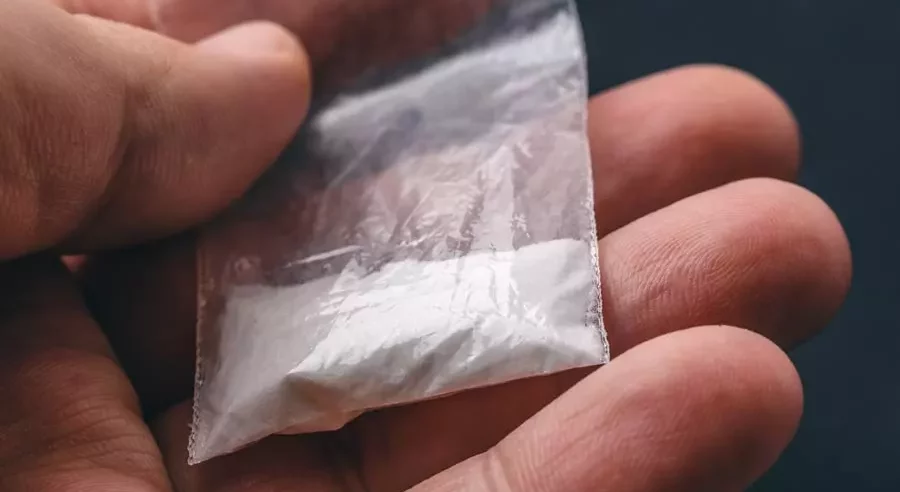
Cocaine is a powerful stimulant that creates intense but short-lived euphoria by flooding the brain with dopamine. Regular use rapidly leads to psychological dependence, and continued use can cause severe cardiovascular, neurological, and mental health complications.
Effective cocaine addiction treatment focuses on behavioral therapies such as cognitive behavioral therapy, contingency management, and dual diagnosis treatment for co-occurring mental health conditions. Care is available through inpatient residential programs, PHP, and IOP. Catalina Behavioral Health in Tucson provides accredited, personalized cocaine addiction treatment with most major insurance accepted.
Medically Reviewed By

Dr. Roland Segal is a distinguished psychiatrist and medical reviewer who holds the role of Medical Director and Psychiatrist.
Insurance Accepted
Accreditations & Licensing


All information shared with our team is protected under HIPAA. We will never share your personal information without your written consent.
Admissions
Accepting Admissions 24/7
regarding a medical or mental health condition.
Program Statistics
Cocaine Rehab and Recovery in Arizona at Catalina Behavioral Health
The need for professional cocaine addiction treatment may receive less public attention than opioids, fentanyl, or methamphetamine, but it continues to affect adults and families throughout Arizona. Cocaine use can become difficult to stop, especially when cravings, mood changes, sleep problems, stress, or co-occurring mental health concerns are involved.
Catalina Behavioral Health provides cocaine addiction treatment in Tucson, Arizona, with residential care, PHP, IOP, and outpatient treatment options. Treatment may include behavioral therapy, dual-diagnosis support, relapse prevention planning, and help building healthier daily routines.
If you or someone else is in immediate danger, call 911.If you need immediate support, call or text 988.
Get Effective Support for Cocaine Abuse Today
What Does Cocaine Addiction Treatment Offer?
Cocaine addiction is a severe and often deadly problem. In fact, cocaine addiction is the most abused illegal drug in the United States. If left untreated, cocaine addiction can lead to serious health problems, including heart attack, stroke, and death.
However, there is hope for those who suffer from cocaine addiction. Treatment options exist to help individuals recover from their addiction and live a healthy life free from cocaine.
Cocaine addiction treatment looks different for each individual and can include a wide range of specific forms of therapy. Before understanding how one can achieve the most appropriate level of treatment, it’s critical to be aware of the common signs of cocaine withdrawal.
While we are sharing important information about cocaine addiction and withdrawal, please know that Catalina Behavioral Health does not provide on-site medical detox or withdrawal management. If withdrawal support, medical detox, or another pre-admission step may be appropriate, our admissions team will discuss next steps before treatment begins.
What are the Most Common Signs of Cocaine Withdrawal?

The most common signs of cocaine withdrawal are decreased energy, restlessness, irritability, and insomnia. These symptoms usually peak within the first few days after stopping use and gradually decrease over the next few weeks.
Many people also experience a decreased appetite and a rapid heart rate. Cocaine withdrawal can be very uncomfortable and can cause significant psychological distress.
Initially, individuals may sleep for an extended period. This is usually followed by a period of intense irritability and possible paranoia. Intense cravings will accompany withdrawals, which can be one of the harshest side effects.
Many people question whether they need treatment for cocaine addiction. The truth is, cocaine abuse disorder is no less severe than any other abuse disorder and requires just as much attention.
When is Treatment Recommended for Cocaine Use?
Cocaine abuse can be a serious problem, and treatment is often the best option. However, not all people who abuse cocaine need treatment. Some people only use the drug occasionally or in small doses, while others use it regularly and in high doses.
If you are only using cocaine occasionally or in low doses, it’s possible you could recover without treatment. However, if you are abusing cocaine regularly and in high doses, you may need treatment to help you stop using the drug and live a healthy life.
Many types of treatment are available that can help you recover from cocaine abuse. Upon entering treatment, clients and physicians work together to craft a personalized treatment plan consisting of multiple types of therapy and other activities.
What Are Effective Treatments for Cocaine Addiction in Arizona?
Your behavior and thought processes can be changed through sessions with a trained therapist. Cocaine addiction can be treated effectively both in a residential setting and in an outpatient setting through a variety of behavioral treatments.
Many drug problems, such as cocaine addiction, can only be treated with behavioral therapies. When it comes to mental illness or addiction, it can be effective to combine behavioral and medication-based treatments.
Currently, there are no approved drugs for treating cocaine addiction. Sometimes, providers prescribe medications during treatment to treat other problems or symptoms. There is a chance that medication may be prescribed to treat co-occurring disorders if a person with addiction also struggles with some other form of mental illness.
Behavioral approaches to cocaine addiction are listed below, including some available and effective therapy types.
An alternative to traditional therapy, Contingency Management employs a reward-based system to motivate individuals to adopt healthy habits like not drinking or using drugs. A gym membership or movie tickets are some of the prizes meant to help establish a healthy lifestyle.
What is a Typical Cocaine Detox Timeline?

Cocaine withdrawal does not follow the same timeline for every person. Symptoms can vary based on frequency of use, amount used, co-occurring substance use, physical health, mental health history, sleep, nutrition, and the person’s support system.
Cocaine withdrawal is often marked by fatigue, changes in sleep, low mood, irritability, anxiety, difficulty concentrating, and strong cravings. Some people may also experience severe depression, paranoia, chest pain, or other symptoms that need prompt medical attention.
Below is a general example of the medical detoxification timeline for cocaine and what occurs during each stage.
Phase 1
The first phase is sometimes described as a “crash” after cocaine use stops. During this time, a person may feel exhausted, anxious, depressed, irritable, hungry, restless, or emotionally flat. Sleep may increase, and cravings can be strong.
Some people also experience physical symptoms or medical concerns during early withdrawal. Chest pain, fainting, seizures, severe dehydration, suicidal thoughts, or other urgent symptoms require immediate medical attention.
Phase 2
After the initial crash, some symptoms may begin to ease, but cravings can continue. People may still feel tired, unmotivated, irritable, or emotionally unsettled. Concentration may be difficult, and sleep patterns may still feel irregular.
Ongoing treatment can help clients understand triggers, develop coping skills, and begin rebuilding healthier routines during this period..
Phase 3
Later withdrawal may involve fewer physical symptoms, but cravings can still return, especially around people, places, emotions, or situations connected with cocaine use. Some people continue to experience low motivation, irritability, or mood changes.
Continued therapy, relapse prevention planning, dual-diagnosis support, and aftercare can help adults stay engaged in recovery and build a stronger plan for long-term stability.
Licensed Addiction Treatment
Therapy techniques for stimulant users
Early recovery from stimulants like cocaine often involves more than getting through the first few days without use. Many people need ongoing support for cravings, sleep changes, low mood, anxiety, irritability, stress, and new behavioral patterns.
Some adults may need medical clearance or stabilization before beginning ongoing addiction treatment, especially when cocaine use is connected with chest pain, severe mood symptoms, polysubstance use, or other medical concerns.
People may use stimulants to manage energy, pressure, emotions, social situations, or other parts of daily life. Treatment can help identify those patterns and build safer ways to manage stress and routine needs. Among the areas someone may need help with are:
- The housing situation
- Obtaining a job
- Finding a community/connecting with others
- Support through 12-step programs
- Problems with health
Movement, exercise, and holistic support may also be helpful when used as part of an appropriate stimulant abuse treatment plan. Holistic rehab approaches can support the whole person, including physical health, emotional wellness, routines, relationships, and a renewed sense of purpose.
Multiple benefits exist for treating cocaine addiction at a holistic rehab.
Early withdrawal from stimulants like cocaine may require a structured break in a medical detox setting for a few days. In most cases, people will need ongoing help to cope with cravings and learn new behaviors once detox begins.
The use of stimulants by some people helps them manage other aspects of their lives. It may be possible to reduce stimulant use by addressing those challenges or needs. Among the things someone may need help with are:
- The housing situation
- Obtaining a job
- Finding a community/connecting with others
- Support through 12-step programs
- Problems with health
In addition to reducing stimulant use and improving health, exercise has also been beneficial. Sometimes this takes place during holistic treatment.
What are the Benefits of Cocaine Addiction Treatment at a Holistic Rehab?
Multiple benefits exist for treating cocaine addiction.
1. Stress Relief
Drugs and alcohol are often used as a result of stress. Stress can be relieved in new ways when you enter recovery. Holistic therapy is a safe and natural way to relieve stress.
Stress reduction is associated with this benefit. To stay sober, you need to learn new skills if you use drugs or alcohol to cope with negative emotions.
You’ll need new hobbies if you want to enjoy yourself without using substances. You can continue holistic therapy as a stress reliever outside of rehab by accessing a variety of holistic therapies.

2. Relapse Prevention
Addiction recovery requires relapse prevention. Relapse rates can be reduced through holistic treatment. Relapse risk can be decreased by reducing stress and developing coping skills. In addition, these therapies can help you feel fulfilled and purposeful. Prevention of relapse relies heavily on this factor, which is often overlooked.
Staying sober is more manageable when people have a reason to do so. Job, volunteering, creative endeavors, and raising a family can all lead to a sense of purpose. The goal of holistic therapies is to help people find fulfilling, drug-free lives by assisting them in finding their place in life.
3. Increased Self-Esteem
A person’s sense of self-esteem and identity can be negatively impacted by addiction. Self-doubt and shame may be present in your mind. As a result, you may feel like you have no identity compared to the person you have become in addiction.
You can reconnect with yourself through holistic therapies. Learning new skills can help you overcome difficult emotions and gain self-confidence.
In addition, holistic rehabs provide a safe environment for you to explore yourself. As a result of this time of reflection, you may be able to reconnect with your true self. Staying in recovery can be made easier with a strong sense of identity.
Any therapy – holistic or otherwise, can help rectify some mental challenges associated with cocaine addiction.
What are the Mental Health Risks of Cocaine Abuse
A high chance exists of developing mental health challenges due to cocaine addiction. Because of how cocaine interacts with the brain as a stimulant, it does severe damage after extended periods of use.
After a long period of battling cocaine abuse disorder, users may develop cognitive issues and even regress in simple cognitive tasks they’ve acquired throughout their lives. It’s not uncommon for long-term users to develop a shakiness about them, often dropping things or becoming unable to keep a steady hand.
Stuttering is another side effect of long-term cocaine abuse, in addition to having difficulties putting together a complete thought or sentence.
Help For Cocaine Addiction
Get Effective Cocaine Addiction Treatment at Catalina Today
Recovery from cocaine use often takes the right level of care, individualized planning, and steady support. At Catalina Behavioral Health, cocaine addiction treatment may include therapy, dual-diagnosis support, relapse prevention work, holistic services, and planning for continued care after treatment.
As a reminder, if a pre-admission medical step is needed before treatment, our admissions team can help discuss timing and next steps so care can begin as safely and appropriately as possible.
Contact a member of our admissions team confidentially today to learn more about support for cocaine abuse and addiction in Tucson, Arizona.
FAQs about Cocaine Addiction Treatment
What are common cocaine withdrawal symptoms?
Cocaine withdrawal can affect mood, sleep, energy, appetite, and concentration. Some people experience fatigue, irritability, anxiety, depression, strong cravings, vivid dreams, or difficulty feeling pleasure. Withdrawal symptoms can vary from person to person, especially when cocaine use occurs with alcohol, opioids, prescription medications, or other substances.
Does Catalina Behavioral Health offer medical detox for cocaine?
Catalina Behavioral Health does not provide on-site medical detox or withdrawal management. Some clients may need medical clearance, hospital-based stabilization, withdrawal support from an appropriate medical setting, or another pre-admission step before starting treatment. Our admissions team can help discuss next steps before residential care, PHP, IOP, or outpatient treatment for cocaine addiction.
How is cocaine addiction treated?
Cocaine addiction treatment often includes behavioral therapy, relapse prevention planning, support for cravings and triggers, and help addressing co-occurring mental health concerns. Treatment may also include individual therapy, group therapy, family support, life skills work, and aftercare planning. The right level of care depends on the person’s history, symptoms, safety needs, and recovery goals.
When should someone seek help for cocaine use?
It may be time to seek help when cocaine use continues despite health, work, family, financial, legal, or emotional consequences. Warning signs can include intense cravings, failed attempts to stop, risky behavior while using, mood changes, sleep disruption, isolation, or using cocaine to cope with stress or emotions. Support is available, and treatment can help clients begin building a safer path forward.
Does insurance cover cocaine addiction treatment?
Many insurance plans include benefits for substance use disorder treatment, but coverage varies by plan, provider network, level of care, deductible, and medical necessity requirements. Cocaine addiction treatment may be covered in residential treatment, PHP, IOP, or outpatient care, depending on the person’s needs and insurance policy. Catalina Behavioral Health can help verify benefits and discuss available treatment options before admission.
Resources
- National Institute on Drug Abuse: Cocaine
- MedlinePlus Medical Encyclopedia: Cocaine Withdrawal
- American Heart Association: Illegal Drugs and Heart Disease
- SAMHSA: Treatment of Stimulant Use Disorders
- SAMHSA: FindTreatment.gov
- 988 Suicide & Crisis Lifeline