


Looking at the Lesser Known Weed Withdrawal Symptoms
If you have been a heavy user of marijuana, currently quitting weed, first let us congratulate you on making a wise decision and one well worth pursuing for your overall health and happiness.
But now, you may be coping with cannabis withdrawal symptoms and ask, does marijuana cause night sweats? Night sweats are not as well-known as other symptoms, but managing them might require the help of a medical detox specialist.
Sweating during marijuana withdrawal is linked to the body’s disrupted thermoregulation system and the nervous system’s recalibration. Psychological symptoms are also common, involving changes in the brain and central nervous system.
Catalina Behavioral Health can support you during every phase of your recovery journey, starting with a safe medical detox. Our team can guide you through the uncomfortable withdrawal symptoms and provide counseling, guidance, and medical assistance. Seeking support is important for managing the impact of withdrawal on daily life.
Our entire team at our Tucson office specializes in treating substance abuse and related mental health disorders.
Learn how you can stop smoking weed comfortably and safely by choosing the help of treatment professionals who can help you experience a safe and effective recovery process.
Get Effective Detox and Rehab Options at Catalina
What Causes Cannabis Withdrawal Night Sweats?
It’s not uncommon to experience night sweats during withdrawal from marijuana, but it still seems to be an infrequently discussed topic. If you’re trying to quit marijuana, know that you’re not alone in these symptoms.
So, what causes night sweats when withdrawing from marijuana abuse? When someone suddenly stops smoking cannabis, the body starts to eliminate tetrahydrocannabinol, or THC, the marijuana’s psychoactive compound. The process often leads to excessive sweating, especially at night, when body temperature naturally increases to facilitate the body’s sleep cycle.
Managing night sweats professionally is important. The situation leads to temporary sleep loss. When you experience difficulty sleeping, it can cause mood swings. That can lead to less resolve to stay clean and sober. A professional detox center will keep you safe and comfortable during THC withdrawal.
Marijuana use can have adverse effects, including negative impacts on the brain, central nervous system, and daily life. THC binds to cannabinoid receptors (CB1) in the brain, and prolonged use can desensitize these receptors. THC can also interact with the hypothalamus and temporarily reset the body’s thermostat, causing sweating. The body’s endocannabinoid system plays a critical role in thermoregulation and neural balance, and chronic marijuana use can disrupt this system.
The Endocannabinoid System: How Marijuana Affects Your Body’s Regulation
The endocannabinoid system (ECS) is a complex network within your body that helps regulate essential functions like mood, appetite, sleep, and, crucially, body temperature.
When you use marijuana, the active compounds in cannabis interact with the ECS, particularly the CB1 and CB2 receptors, altering the way your body maintains balance. This interaction can bring about the desired effects of marijuana, such as relaxation or pain relief, but it also sets the stage for withdrawal symptoms when you stop using the drug.
Regular marijuana use can cause your body to adapt to the presence of THC, the main psychoactive component in cannabis. Over time, this adaptation can lead to dependence, meaning your body relies on marijuana to maintain its internal equilibrium.
When you quit smoking weed or using it in other forms, your ECS must readjust, which can trigger a range of uncomfortable symptoms. Many marijuana users report excessive sweating and night sweats during withdrawal, as the body’s temperature regulation is temporarily disrupted. This is a direct result of the ECS struggling to regain its natural balance without the influence of THC.
Do People Experience Withdrawal Effects from Marijuana Differently?
Withdrawal symptoms can vary widely from person to person. Some may experience only mild discomfort, while others face significant challenges such as insomnia, stomach pains, mood swings, and anxiety. Psychological symptoms like vivid or disturbing dreams and nightmares from weed withdrawal are also common, as the brain’s chemistry recalibrates. These symptoms can be distressing, but it’s important to remember that they are usually part of a temporary phase as your body adjusts.
Individual factors play a big role in the severity and duration of marijuana withdrawal. Light users or those with a faster metabolism may notice only mild symptoms, while heavy or long-term users might experience more intense and prolonged effects. Your overall health, frequency of marijuana use, and even your unique body chemistry all influence how you experience withdrawal.
In some cases, symptoms like profuse sweating or severe insomnia can lead to dehydration or other health concerns. If you find yourself struggling with severe symptoms or if you’re worried about your health, it’s essential to seek medical attention from a licensed physician or healthcare provider.
A medical professional can help you manage both the physical and psychological symptoms of marijuana withdrawal, ensuring your safety and comfort throughout the process.
Small Steps to Take When Quitting Marijuana Can Add Up to a Big Difference
Support is available, and you don’t have to go through withdrawal alone. Reaching out to friends, family, or a support group can make a significant difference. Engaging in physical activity, such as walking, yoga, or gentle exercise, can help your body recover and reduce uncomfortable symptoms. Relaxation techniques like deep breathing or meditation can also ease anxiety and improve sleep quality.
Remember, marijuana withdrawal is a temporary phase. With the right support and guidance, your body’s endocannabinoid system will gradually return to its natural state, and symptoms like night sweats, mood swings, and sleep disturbances will subside.
By understanding how marijuana affects your body’s regulation and taking proactive steps to care for your health, you can successfully navigate withdrawal and move forward toward lasting recovery.
What are Other Common Cannabis Withdrawal Symptoms?
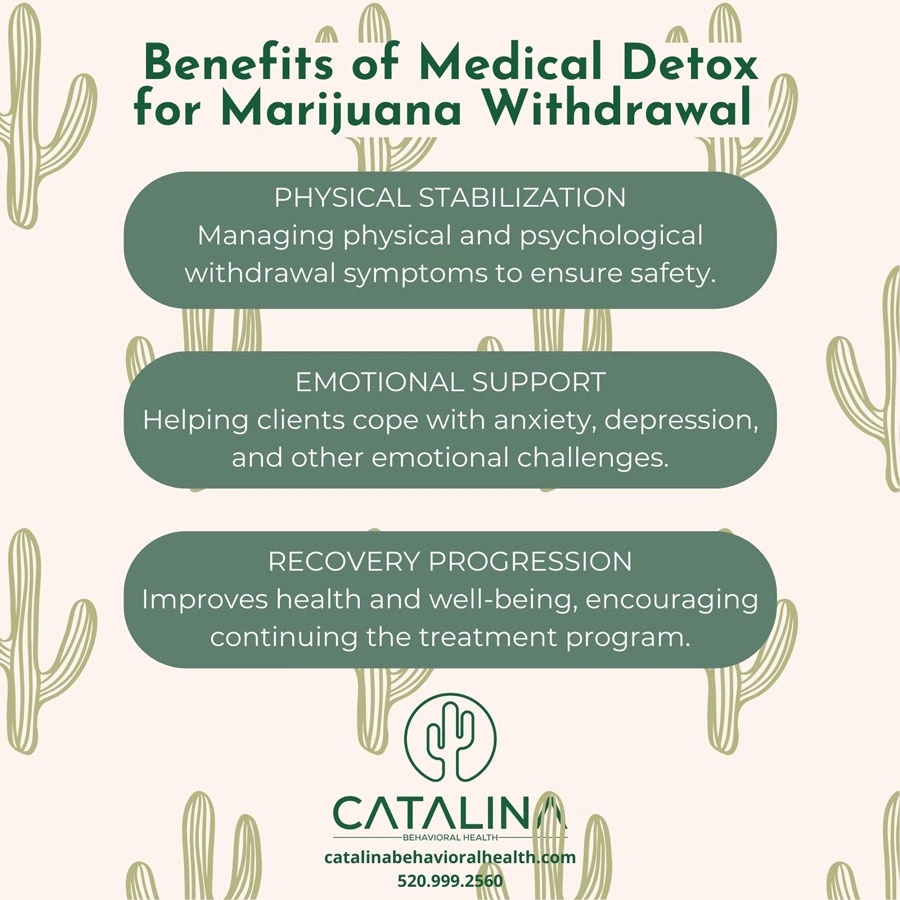
During marijuana withdrawal, night sweats may not be the only challenge. Other common withdrawal symptoms that may occur as your body adjusts to the lack of cannabis use include restlessness, tremors, fever, and abdominal pain.
Collectively, these physical and psychological symptoms are called Cannabis Withdrawal Syndrome, a term recognized in the Diagnostic and Statistical Manual of Mental Disorders (DSM-5). Most physical symptoms of withdrawal, including night sweats, typically peak between day 2 and day 10 after cessation.
Most physical symptoms usually subside within a month or two as the body adjusts, but in severe cases or for heavy users, night sweats can last for several weeks and may persist for up to six months. In severe cases, professional intervention may be required.
Psychological Symptoms of the Marijuana Withdrawal Process
Here are some of the possible psychological and emotional symptoms of weed withdrawal:
- Irritability and sharp mood swings
- Angry outbursts
- Restlessness
- Developing depression or low mood
- Sleep disturbances or sleep disorders
- Nightmares
- Difficulty concentrating
- Vivid and disturbing dreams
- Decreased appetite
- Strong urges or craving for smoking pot again
The battle with addiction doesn’t end the moment you stop smoking marijuana. These psychological symptoms arise from your street marijuana or medical cannabis dependency and can be very challenging to endure.
In particular, weed withdrawal nightmares and a lack of sleep have often led to relapse for clients we have helped overcome cannabis dependency at Catalina.
Physical Symptoms of Marijuana Withdrawal
Marijuana withdrawal symptoms can be physical as well as the psychological addiction symptoms listed above. These are physical reactions to withdrawal and may include:
- Headaches
- Nausea and digestive issues
- Vomiting
- Stomach pains
- Excessive sweating
- Shakiness or tremors
- Chills due to disturbances in temperature regulation
- Night sweats (as we’ve already covered)
In rare cases, night sweats can be a prodromal symptom of Cannabinoid Hyperemesis Syndrome (CHS) following chronic heavy use of marijuana. CHS is characterized by early morning nausea, abdominal discomfort, and sweating, and it may progress to intense cyclical vomiting. Severe dehydration can result from excessive sweating during withdrawal, so monitoring fluid intake is important.
Weed is indeed legal in Arizona. Still, marijuana addiction is a considerable problem, and cannabis abuse can cause physical dependence, making it hard to quit.
When Do Marijuana Withdrawal Symptoms Start and Finish?
Marijuana withdrawal symptoms usually start within 24 to 72 hours of the last time smoking weed. Many people report that the first week of quitting marijuana is particularly challenging but improves with time. These emotional and physical symptoms, including night sweats, often peak in their severity between day 2 and day 10 after last stopping cannabis intake.
The duration and severity of withdrawal symptoms, such as night sweats, can vary depending on individual metabolism.
Some symptoms, like night sweats, may last for several weeks and can persist for up to six months in some cases, especially for heavy users. Some clients at Catalina have reported that symptoms can persist for even weeks after quitting. And the psychological aspects of dependence on weed can last for several weeks or even months, depending on the person and the form of support enlisted.
Seek Professional Medical Advice When Quitting Weed

Marijuana users with a goal of quitting cannabis for good should seek medical advice. The night sweats and other withdrawal symptoms are usually mild to moderate in intensity. However, some experience withdrawal symptoms that last for longer or can be very intense.
Seeking support from healthcare professionals is important for managing withdrawal symptoms effectively. In severe cases, night sweats and other withdrawal symptoms may require medication or professional intervention for proper management.
A medical doctor or mental health professional will guide you in eliminating marijuana dependence safely. They’ll keep an eye on both your emotional and physical health.
Erika Came to Catalina After a Cannabis Detox at Home Went Wrong
‘Erika’ came to Catalina Behavioral Health unsure whether she’d make it through the first days. She used medical cannabis frequently to take the edge off her migraines. When she realized how well it worked, she started smoking weed more often, just because she enjoyed how it made all her minor aches and pains go away.
Soon, though, she became dependent on it; smoking pot began impacting her ability to meet her responsibilities to her children. She was often late to work, missed paying the rent on time, and couldn’t focus on being their mom.
She tried detoxing at home and “went cold turkey.” Within a few days, she had night sweats, a common symptom. Another common symptom, nausea, also acted up, worsening the sleeplessness and making Erika feel sick and dizzy. Within 5 days of her attempt at quitting weed, Erika gave up and started smoking again.
She knew she needed to do better for her kids and learned that Catalina Behavioral Health accepted her BCBS insurance with only a minor co-pay. She arranged for her children to stay with her mother and went through an inpatient program at our center. Afterward, she started outpatient therapy and resumed her nightly routine with her children.
The doctor at Catalina consulted with her migraine specialist; with proper medication management, Erika’s migraines stopped. She learned stress management tools in therapy since stress was a trigger for both the migraines and smoking marijuana.
Since her time at Catalina, Erika has completed her online degree and started a great job to better support her children.
What Chronic Users of Cannabis Can Expect at a Recovery Center

A treatment center like Catalina Behavioral provides emotional support during the earliest phases of addiction recovery. Then, a team of qualified substance abuse treatment professionals will help you understand and confront your addiction, opening you up to living a clean, sober life.
Here is a general overview of what you can expect at most treatment clinics:
Admission and Initial Consult
Whether using street weed, medical marijuana, or other drugs, detox starts with an intake appointment and assessment. A clinician will discuss your addiction and note any concerning behavioral signs or patterns, then consult with the doctor. They also assess your mental and physical readiness for the detox process. You are officially on the way to quitting weed.
Starting a Safe, Supportive Marijuana Withdrawal Process
By the time you finish admissions, it has possibly been several hours since your last marijuana use. As you move to the supervised medical detox setting, you may feel the first pangs of weed withdrawal.
You will be continuously monitored by a specially-trained staff whose primary directive is to keep you safe and motivate you to continue the weed withdrawal with minimal discomfort. Most physical symptoms experienced during this period are temporary physical reactions to withdrawal, such as increased sweating, and typically subside within a short timeframe for lighter users.
Monitoring for severe dehydration is important due to excessive sweating that can occur as part of these physical reactions.
Managing Weed Withdrawal Symptoms
If symptoms persist or worsen, the mental health professional will prescribe certain FDA-approved medicines to minimize them. Besides offering medications during the worst of weed withdrawal, we will use a holistic approach to your care.
Withdrawal can cause significant discomfort, including intense sweating and disrupted body temperature regulation. Seeking support from healthcare professionals and loved ones is crucial to help manage these symptoms and ensure proper monitoring and treatment options during this period.
We will ensure you drink plenty of water to help support your wellness and help release toxins. We’ll also offer you a balanced diet (and avoid junk food) to minimize any nausea or stomach issues you may experience.
If you need a distraction during marijuana withdrawal, we can teach you to do deep breathing or visualization exercises to keep your mind off quitting weed. Finally, our team will create a calm environment where you can rest, even if you still struggle with night sweats and body temperature changes.
Individual Counseling and Group Therapy Sessions

If you transition from withdrawal management to an inpatient or outpatient program, your treatment plan may include therapies intended to help you understand patterns of cannabis use, develop coping skills, and work toward reducing or stopping use. The appropriate level of care and individual outcomes vary.
Psychotherapy and behavioral services are among the key factors in overcoming marijuana addiction and enjoying lasting recovery.
Planning for Sobriety
Before leaving our Arizona recovery center, you will develop a personal roadmap guiding you away from triggers and temptations and toward a healthier life. You will be prepared to attend support groups weekly and avoid the negative circumstances that led you to marijuana dependency.
Many Forms of Insurance Accepted for Treatment
Connect with Catalina for Marijuana Detox and Recovery Support
Those struggling with marijuana withdrawal symptoms, like night sweats, do not need to suffer. Seeking treatment at a treatment and detox center can help alleviate the worst of the pain and help you stay on track to have a healthier life in the future.
Catalina Behavioral Health accepts the most popular health insurance providers, and our admissions team can confidentially verify insurance coverage and make sure you get the most out of your benefits.
If you are ready to make the transformation and leave smoking weed in your past, there is no better day to start than today. Make a free and confidential call to Catalina Behavioral Health now.