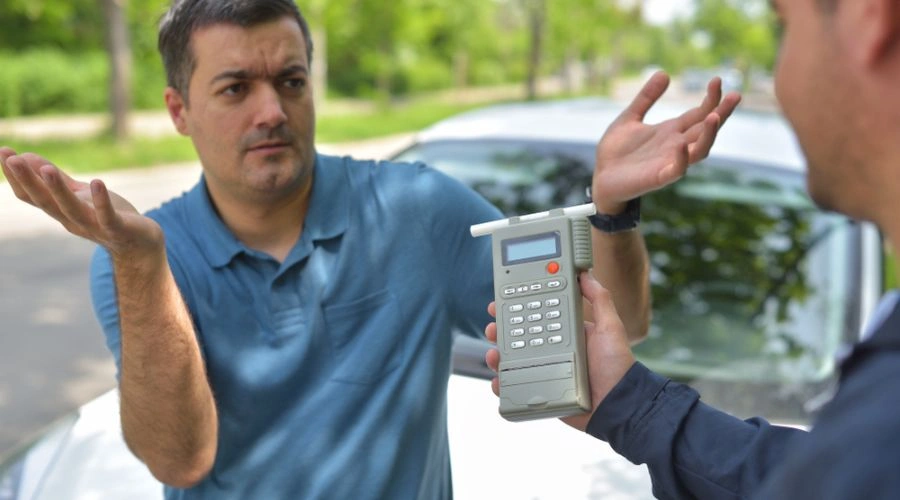
What Often Happens and Why It Depends on Your Case
Probation alcohol testing is not identical in every case. The rules can depend on the offense, your written probation terms, local court practices, and the type of supervision you are under.
This article is for general educational purposes only and is not legal advice. If your paperwork is unclear, ask your probation officer or attorney.
If alcohol use is making compliance harder, treatment may help you stabilize your recovery
Drug and Alcohol Detox Options
Drug and Alcohol Testing: What Are You Screened For?
Many people who are caught in the legal system will be subject to random testing to ensure that they comply with the terms of their probation. The necessity of abstaining from drug use is clear, but there may be a thornier issue when it comes to alcohol testing.
Alcohol isn’t an illegal substance. As long as you’re over the age of 21, there are no reasons why you can’t have a drink from time to time. But how will your probation officer feel about substance abuse, even if it is technically legal?
Here’s what you should know about your drug and alcohol testing as part of your probation conditions.
Will Court Ordered Drug Testing Include Alcohol?
Alcohol testing may be included, but it is not universal.
Some supervision terms prohibit any alcohol use, some focus on excessive use, and some programs use specific testing requirements based on the case.
Review the exact language of your conditions rather than assuming every probation program handles alcohol the same way.”
EtG Testing for Alcohol and Drugs
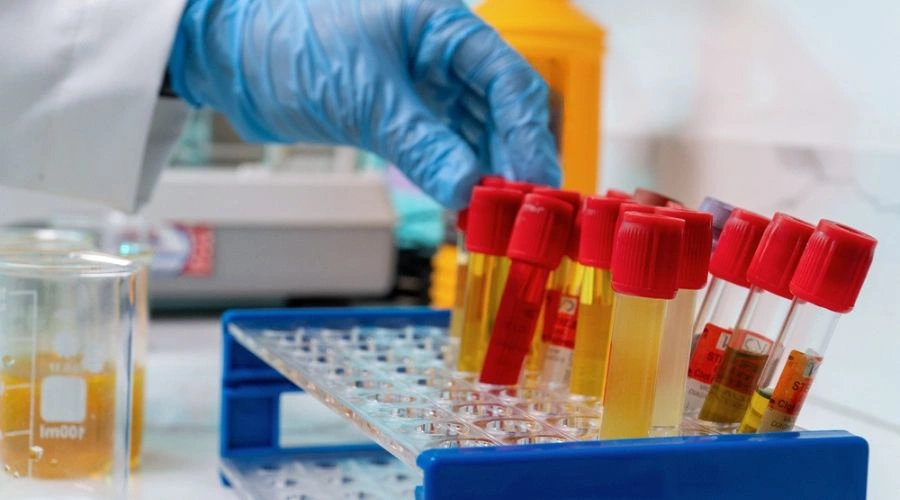
EtG testing looks for a metabolite of alcohol in urine. It is different from breath or blood alcohol testing, which are generally used to assess current or very recent alcohol exposure.
Depending on the cutoff used, the amount consumed, and individual factors, urine EtG may detect recent drinking for a longer period than direct ethanol testing, but it does not precisely show how much someone drank
How does it work?
EtG testing can test for alcohol metabolites in the urine, specifically looking for ethyl glucuronide. The metabolites are present well after the alcohol has left the body, which means that your probation officer can see a bigger picture of your substance use. In fact, they are able to see alcohol consumption up to five days after your last drink.
Your EtG testing might show alcohol has a slightly longer detection window depending on how quickly your body metabolizes alcohol and how much you have to drink. If you are a slow metabolizer or have several drinks, it could show up for longer.
Urine Test Results for Alcohol
Direct ethanol testing in urine usually reflects a relatively short detection window, while EtG testing can sometimes detect recent drinking for longer.
Because windows vary by test type, cutoff, and individual circumstances, it is safer not to rely on timing assumptions if your supervision terms prohibit alcohol.
Hair Follicle Drug Testing: Does It Show Alcohol?
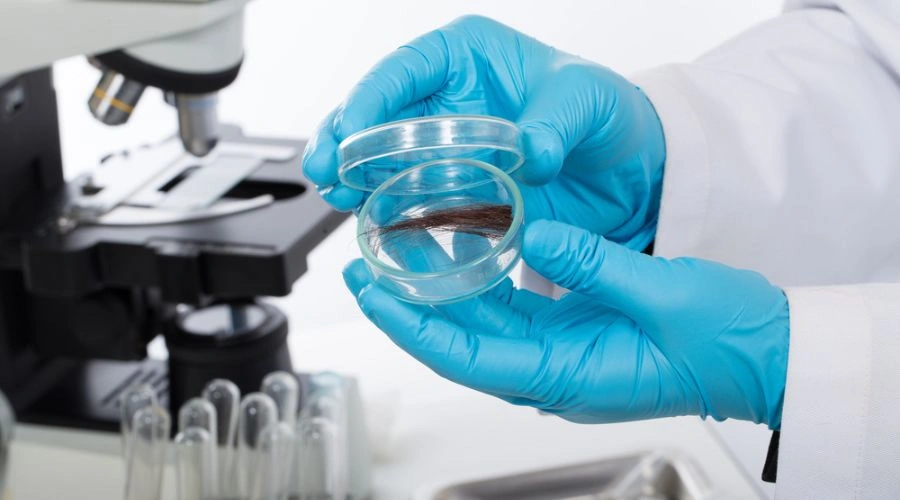
Hair alcohol-marker testing is a longer-window method, but it should not be described as a simple yes-or-no test for a single recent drink.
Interpretation depends on the part of the sample tested, the lab method used, and the pattern of alcohol exposure being evaluated.
In clinical and forensic settings, hair markers are commonly used to assess alcohol use over time rather than immediate intoxication
Blood Alcohol Concentration: What’s an Acceptable Level?
https://catalinabehavioralhealth.com/arizona/rehab-tucson-az/If your supervision follows a DUI or alcohol-related case, the relevant alcohol limits and sanctions may depend on state law, your sentence, and any abstinence or ignition-interlock requirements that apply to you.
Follow the exact language in your court order rather than assuming one BAC number applies to every probation case.”
When Will The Random Testing Monitoring System Call You?
Some probation or monitoring programs use random call-in or color-code systems, while others use different scheduling and notification methods.
The process you must follow depends on the rules of the court, probation office, or testing program handling your case.”
What If You Take Prescribed or Other Drugs?
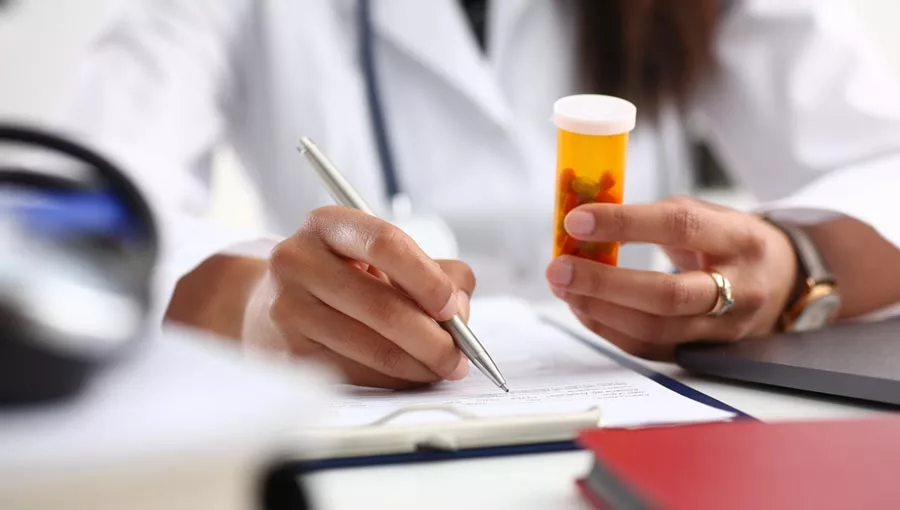
If you take prescription medication, follow the reporting rules that apply to your case and keep documentation available if requested.
Screening tests can occasionally be affected by medications or other substances, which is why unexpected results are often reviewed with confirmatory testing and a legitimate medical explanation
Many forms of insurance accepted
Meet Drug Testing Requirements with Catalina’s Help
If staying sober while on probation has become difficult, treatment may help you build structure, support, and relapse-prevention skills.
Catalina Behavioral Health can explain your treatment options, discuss next steps confidentially, and help verify your insurance benefits. Coverage varies by plan and level of care.
References:
- Administrative Office of the U.S. Courts. (n.d.). Chapter 3: Substance abuse treatment, testing, and abstinence (Probation and supervised release conditions).
- ARUP Consult. (2024, August). Alcohol use biomarkers.
- Hadland, S. E., & Levy, S. (2016). Objective testing: Urine and other drug tests. Child and Adolescent Psychiatric Clinics of North America, 25(3), 549–565. https://doi.org/10.1016/j.chc.2016.02.005
- Kintz, P. (2015). 2014 consensus for the use of alcohol markers in hair for assessment of both abstinence and chronic excessive alcohol consumption. Forensic Science International, 249, A1–A2. https://doi.org/10.1016/j.forsciint.2014.11.001
- McDonell, M. G., Skalisky, J., Leickly, E., McPherson, S., Battalio, S., Nepom, J. R., Srebnik, D., Roll, J., & Ries, R. K. (2015). Using ethyl glucuronide in urine to detect light and heavy drinking in alcohol-dependent outpatients. Drug and Alcohol Dependence, 157, 184–187. https://doi.org/10.1016/j.drugalcdep.2015.10.004
- Substance Abuse and Mental Health Services Administration. (2023, April 24). Mental health treatment: What does health insurance cover?
- Substance Abuse and Mental Health Services Administration. (2024, September 9). Frequently asked questions about federal workplace drug testing.
- United States Probation and Pretrial Services, District of Arizona. (n.d.). Conditions of supervision.
- Centers for Medicare & Medicaid Services. (n.d.). Mental health & substance abuse coverage.
- Center for Substance Abuse Treatment. (2006). Appendix B. Urine collection and testing procedures and alternative methods for monitoring drug use. In Substance abuse: Clinical issues in intensive outpatient treatment (Treatment Improvement Protocol [TIP] Series, No. 47). Substance Abuse and Mental Health Services Administration.