


Aftercare is continued recovery support planned around an adult’s needs after a primary treatment episode. It may include step-down care, outpatient therapy, peer-support participation, medication management when clinically appropriate, relapse-prevention planning, alumni support, or referrals to community resources.
Aftercare is not identical for every client and no particular service or outcome is guaranteed. Recommendations depend on clinical assessment, progress, discharge needs, program availability, and insurance or payment arrangements. Catalina’s admissions and treatment teams can explain the options that may be appropriate for an individual adult.
Clinically Reviewed By

Mabel has a proven track record of delivering high-quality care in diverse healthcare settings, including behavioral hospitals, correctional facilities, and crisis recovery units.
Insurance Accepted
Accreditations & Licensing

All information shared with our team is protected under HIPAA. We will never share your personal information without your written consent.
Admissions
Accepting Admissions 24/7
regarding a medical or mental health condition.
Program Statistics
Establishing Support at Catalina for Success in Recovery
According to the Substance Abuse and Mental Health Services Administration (SAMHSA), almost a third of adults had either a substance use disorder or any mental health condition in the past year in 2021. While substance abuse and mental illness can affect anyone, a whopping 46% of young adults in the 18-25 age group alone had either a substance use disorder or any mental health condition.
The good news is that treatment can help. However, many people wonder what their next steps will be after treatment. An aftercare rehab program can help you retain the progress you make in treatment, continue to meet new goals, and move forward in recovery. So, why attend an aftercare rehab program, and what can you expect in one?
This guide will explain the purpose of aftercare services and what to expect in our aftercare program. We will also talk about the levels of care we offer for incoming clients and how we can help those facing mental health, trauma, or addiction get to a better place with the programs offered at Catalina!
Catalina Offers Addiction and Mental Health Treatment Support
Who is Aftercare For?
Aftercare programs are for anyone who has finished a mental health or substance abuse treatment program and wants to protect their long-term recovery. In many cases, staying connected to your support system helps you maintain the progress you made in treatment or continue working toward goals after treatment.
For example, a person may continue to work on more minor mental health symptoms after their treatment program ends, or, in the case of a substance use disorder, they may focus on continued sobriety.
Catalina Behavioral Health offers aftercare programs for clients who have completed any of our treatment programs. These include our mental health, trauma, and substance abuse treatment programs.
The Role of Aftercare Programs

The top two goals of aftercare programs are usually to prevent relapse and help people stay connected with their support systems after treatment. Relapse prevention can apply to anyone and is not reserved for those in substance abuse treatment alone.
Here are some examples of what aftercare can do for you or look like based on specific concerns.
Alcohol or Drug Abuse
Addiction aftercare programs are dedicated to helping you stay sober after drug and alcohol rehab. Our addiction aftercare program will help you connect with other sober people through meetups, groups, and events. In turn, you will receive support, support others, and avoid isolation.
Generally, we also encourage continued treatment in the form of therapy or medication management. These continued treatments can help you work through triggers, such as life stress or situations where substances are present, and give you a place to discuss challenges without shame.
Mental Health
Our aftercare program for mental health can help you avoid the relapse of severe symptoms that may have occurred before acute treatment. For example, you may learn to identify the signs that a mental health condition (e.g., depression or bipolar disorder) is worsening in treatment, and in ongoing therapy after treatment, you’ll be able to bring it up with your therapist and prevent further effects.
Aftercare programs often serve as a mental health treatment maintenance plan. Often, aftercare programs encourage or expose you to support groups, meetups, and other spaces where you can connect with peers who also live with a mental health condition. In turn, clients feel more supported and less alone after treatment.
Trauma
The lasting impacts of trauma can significantly affect your daily life and functioning. In treatment for trauma, many people learn how to access feelings of safety, use coping skills, navigate interpersonal relationships and live the life they want to without trauma holding them back.
Aftercare programs can help you continue to manage your symptoms, navigate trauma triggers and stress, and work through events where the effects of trauma resurface.
What Does an Aftercare Program Entail?

What your aftercare plan looks like will depend entirely on who you are and what your needs are. Catalina Behavioral Health emphasizes the importance of an aftercare plan for those who complete our programs. It is always advantageous to set yourself up for a successful recovery by getting services, support, and peer connections in place that enhance your emotional and physical well-being.
Having a healthy relapse prevention plan for challenging times that arise in everyday life after treatment is also critical. With that said, here are some of the things your aftercare plan might entail.
Events and Outings
Mental health, trauma, and substance abuse rehab alumni programs at Catalina Behavioral Health all host recurring alumni meetings. The activities that occur at these alumni meetings can differ substantially, and you can choose which ones to attend based on your personal interest.
Often, coordinators of alumni programs organize activities or meetups for those who live close to their treatment center. Remote events may also take place so that alumni can meet with one another, no matter where they are.
Examples of events and outings for Catalina Behavioral Health include but aren’t limited to the following:
- Cookouts and substance-free social gatherings.
- Volunteer or charity work.
- Ice or roller skating.
- Movie nights.
- Sporting events.
- Bowling.
Continued Therapy
Ongoing therapy is an important part of the recovery process for many people. Individual and group therapy are often a part of mental health, trauma, or addiction aftercare programs. Before transitioning from treatment to aftercare services, you will work with your treatment team to discuss what treatments you’d like to incorporate into your daily life.
Note that support groups and group therapy are not the same. Since family members are often a crucial part of a person’s support system, some people may also opt for continued therapy post-treatment, following our family rehab programs.
If you ever feel that you need more support, you can seek it at any point in time. Don’t feel that you should not need therapy or help from others because you have completed treatment. Quite the opposite is true. Everyone needs support, and part of the recovery process is learning to reach out for help in challenging times.
Support Groups

Support groups can be an incredibly valuable part of mental health, trauma, or addiction aftercare programs. All support groups are unique. Common examples of mutual support groups a person might attend after addiction treatment include Alcoholics Anonymous (AA) or Narcotics Anonymous (NA) as well as SMART Recovery. However, there are also support groups for people with mental health concerns, such as anxiety, personality disorders, eating disorders, depression, trauma, grief, or bipolar disorder.
You can find support groups that meet in your area, or you can opt for online remote meetings. What you choose may depend on what’s most accessible to you due to time, location, and other factors.
Medication Management
If you take medication, you will want to work with healthcare providers who can continue prescribing and monitoring your medication. This will often be a psychiatrist, but it could also be a primary care physician or another prescriber. Medication-assisted treatment options can help those with alcohol or drug addiction sustain an alcohol and drug-free lifestyle.
Medications can also be prescribed for many mental and physical health conditions that affect your well-being, such as depression, bipolar disorder, post-traumatic stress disorder, insomnia, and anxiety.
Sober Living
Sober living homes are a lot like apartments with traditional rental agreements. However, since sober living homes are 100% drug and alcohol-free spaces, they are a supportive environment that can help you maintain sobriety. Many people choose to reside in a sober living home after treatment, while they attend rehab facilities for outpatient services or both.
Residing in sober living homes holds you accountable to your sobriety because you must adhere to the rules. Multiple studies have found that sober living is beneficial for relapse prevention.
Catalina Offers Addiction and Mental Health Treatment Support
Levels of Care at Catalina Behavioral Health
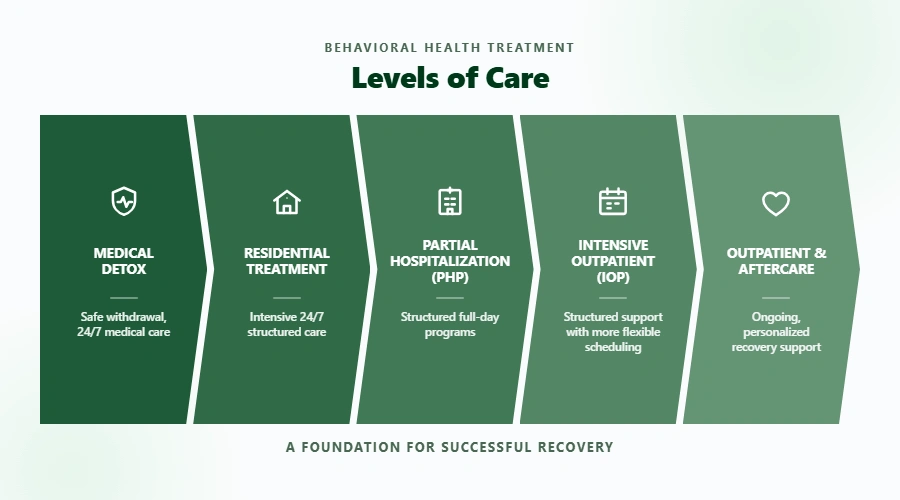
Aftercare planning may follow residential treatment, PHP, IOP, outpatient care, or another clinically appropriate treatment experience. Catalina offers several adult levels of care, but not every adult uses every level, and some pre-admission services may need to occur with an outside provider.
Insurance benefits, network status, authorization requirements, and cost sharing vary by individual plan and level of care. Our admissions team can verify available information, but verification does not guarantee coverage or payment.
Medical Detox Before Catalina Admission
Some adults may need medical detox, hospital-based stabilization, or medical clearance before beginning treatment. Catalina does not provide on-site medical detox. If withdrawal support is needed, our admissions team can discuss appropriate outside options and whether treatment at Catalina may be considered after the adult is medically appropriate for admission.
Residential
Residential treatment is a structured, live-in level of care for adults whose assessment indicates they may benefit from an immersive environment. Catalina residential programming may include individual and group therapy, recovery-focused activities, and other services identified in the treatment plan; it is not hospital inpatient care.
Suitability for residential treatment depends on symptoms, safety, withdrawal or medical needs, daily functioning, and the home environment. Catalina does not provide hospital or emergency services; adults who need acute stabilization may first require an appropriate outside provider. Admissions can still help callers understand possible next steps.
Partial Hospitalization
Partial hospitalization is a structured, nonresidential level of care. Catalina’s PHP typically provides 5 to 7 hours of treatment per treatment day. It may be considered after residential treatment or as another option when assessment shows an adult can participate safely without overnight support; exact schedules and duration vary.
PHP clients live off site and may receive many of the therapy types used across Catalina’s levels of care. The treatment plan, schedule, and services are individualized.
Intensive Outpatient
Our intensive outpatient program (IOP) provides more flexibility than PHP and requires a lower time commitment. It still includes a combination of individual therapy, groups, and other treatment options, but you will go to IOP fewer days per week and will spend less time at your treatment facility overall.
Intensive outpatient treatment may be appropriate for adults who can participate safely while living off site and who need more structure than routine outpatient appointments. IOP may also be considered as a step-down option. Work, school, or family participation depends on the current schedule and individual needs.
Learn More About Catalina Behavioral Health’s Aftercare Program

If you’re ready to learn more about treatment or have questions about Catalina Behavioral Health’s aftercare and alumni program, contact us today. We are here to answer your questions, verify your health insurance coverage, or help out with anything else we can for free.
To get in touch with Catalina Behavioral Health, call the phone number on our website. If we miss your initial call, one of our staff members will return it shortly.
Accredited Treatment Programs for Support – Call Now!
FAQs on Rehab Aftercare Programs at Catalina
What is included in aftercare?
Like treatment, aftercare programs should be tailored to a person’s unique needs. Individual therapy, support groups, group therapy, family therapy, psychiatry appointments (e.g., for medication refills and outpatient monitoring), or living at a sober living home could all be a part of a person’s aftercare treatment program, depending on who they are. You can mix and match these services or pick from a few. The choice is entirely up to you.
What are fun activities for recovering addicts?
Those recovering from drug or alcohol addiction need enjoyable activities to engage in, as well as social connections, coping strategies, and continued support for challenging times. Finding the activities that work for you matters if you are newly sober. Hiking, sports, weight lifting, yoga, dance, art, music, and social activities such as board games, bowling, or cookouts are all fun ideas to consider.
What are the benefits of aftercare?
Aftercare programs can aid a successful recovery for more than one reason. Your aftercare plan will be unique to you, so what aftercare entails may vary from person to person. With that said, some of the most common benefits of aftercare include but aren’t limited to the following:
– Remembering or learning new coping skills.
– Ongoing support from mental health professionals.
– Social support and avoiding isolation.
– Relapse prevention.