

Understanding the Nature of Alcohol Testing and Treatment
If you are asking whether you can pass an EtG test in 24 hours, the most accurate answer is that it depends, and there is no guaranteed method to make a recent drinking episode undetectable on demand.
EtG testing can identify alcohol metabolites after alcohol itself is no longer measurable in blood or breath, but detection windows vary by the amount consumed, the test cutoff, urine concentration, and individual factors.
This article explains how EtG testing works, what can affect results, and why short-term “detox” tactics are not reliable.
Our resource is for educational purposes only and should not replace medical, legal, employment, or court-related advice.
If alcohol use is becoming difficult to control, professional treatment may be more helpful than focusing on the test alone.
24 Hour Alcohol Detox and Rehab Helpline
What is an EtG Test?
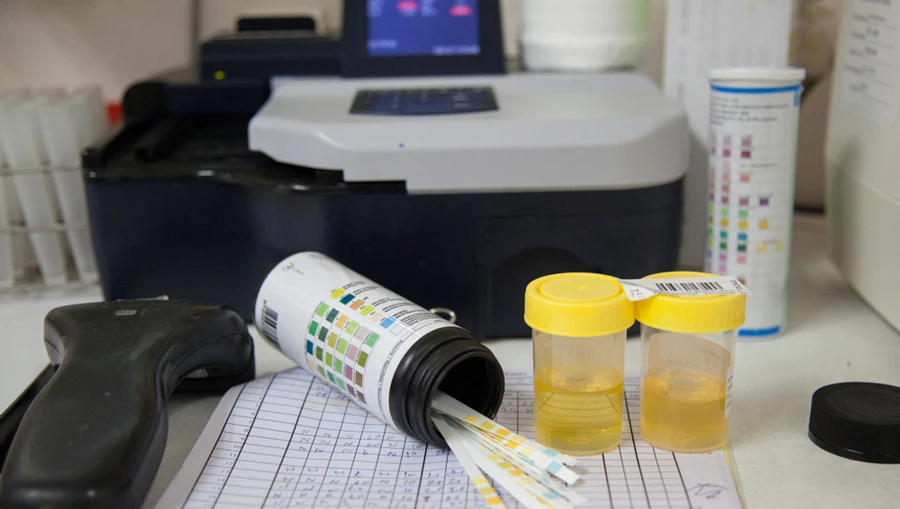
An EtG test, otherwise known as the Ethyl Glucuronide Test, measures ethyl glucuronide, a metabolite the body produces after alcohol exposure.
Because EtG can remain in urine after blood alcohol has returned to zero, EtG testing may detect recent alcohol use beyond the window of standard breath or blood alcohol testing. However, interpretation depends on the assay, the cutoff level, timing, and the testing context, so results should not be oversimplified.
And if you or a loved one is regularly researching detection times for things like probation or employment testing, it might indicate the need for some form of treatment to address the underlying issue of alcohol dependency.
What are the Most Common Reasons for EtG Testing?
Several occasions call for the use of an EtG test. You might find yourself on the receiving end of these screenings for any of the following reasons:
- Court ordered. The judge might have ordered random alcohol tests as part of probation terms. Generally, these take place during your regular visits with your probation officer to confirm alcohol abstinence.
- Substance abuse programs. Many outpatient programs for alcohol use test clients who attend from home to ensure they’re not breaking the rules of recovery.
- Employment. If you’re applying for a certain job that bans the consumption of alcohol for a certain period before work hours, or as a hiring stipulation, you’ll likely be subject to an EtG.
How Do EtG Tests Work?
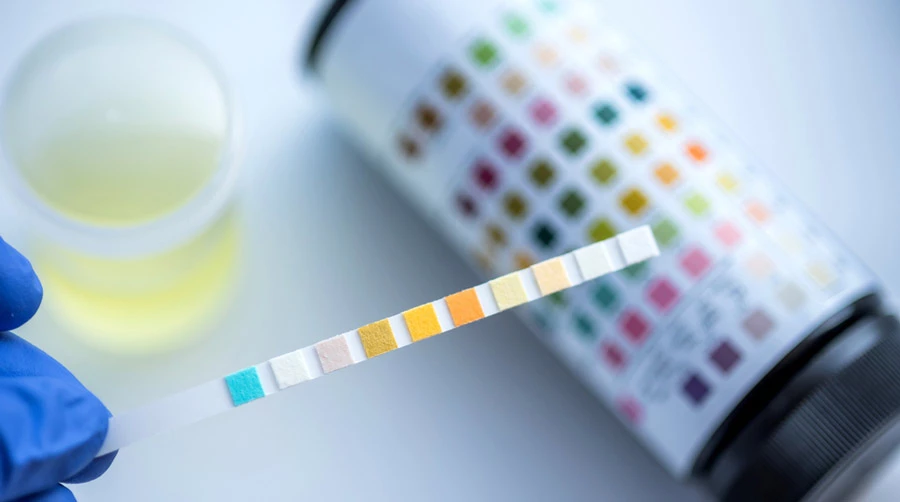
When you drink, alcohol metabolites are left over as your body processes all the alcohol out.
EtG does not have a single universal detection window. Some laboratories use lower cutoffs that can detect smaller or more recent amounts of drinking for longer, while higher cutoffs are more conservative and may mainly identify heavier or more recent drinking.
This is one reason a simple promise such as “you’ll pass in 24 hours” is not medically reliable.
This number is subject to fluctuation, as the exact length of time is dictated by several factors, including your age, weight, the amount of alcohol consumed, and the speed of your metabolism. Your level of body fat and how hydrated your body is also play a significant role.
Preparing for an EtG Test
There is no dependable short-term method to guarantee a negative EtG result after recent drinking. Common online suggestions, such as drinking excessive water, using saunas, exercising heavily, or taking “detox” products, are not reliable ways to change the outcome of an EtG test on demand.
One practical concern is urine dilution. Very high fluid intake can affect urine concentration and may lead to specimen validity concerns, repeat testing, or closer review depending on the testing program.
The safest takeaway is that test timing and interpretation vary, and recent drinking may still be detectable.
Healthy Diet Options
Eat a healthy, balanced meal before the test. Certain vitamins and minerals can help to detox your system before testing.
Exercising and Sweating Out Alcohol
Take a brisk walk or run before your test. If you have access to a sauna, this can be one of the most effective methods as it speeds up the alcohol detox process.
What to Expect On the Day of Testing

Collection procedures vary by setting, but most urine EtG tests involve submitting a urine specimen that is then analyzed according to the laboratory’s procedures and cutoff thresholds.
In most settings, when you walk in to take your test, you’ll often be greeted by the collector. You’ll be given a plastic specimen cup and escorted to the restroom to give your sample. Be sure to fill the cup to the specified line – otherwise, the lab may not be able to give an accurate reading. This can lead to a failed test or a positive result and warrant a retake.
Avoid alcohol prior to testing on the same day, and stop consuming alcohol as long in advance as possible to minimize the chances of testing positive.
The lab will test the sample and send the results back to the individual who ordered the test. They’ll have paperwork indicating all the levels tested, along with information to help them interpret the results.
If you have questions about how a result will be interpreted, it is best to review the specific laboratory report or the rules of the program requiring the test.
Understanding the Scoring Guide for EtG Tests
EtG results are commonly reported in ng/mL, but those numbers should not be treated as a simple drink-count calculator. Different labs and programs may use different cutoffs, often balancing sensitivity against the risk of incidental exposure.
Lower cutoffs may identify more recent drinking but can be more sensitive to non-beverage alcohol exposure; higher cutoffs can reduce false positives but may miss some lighter or less recent drinking.
Because of those limitations, the result should be interpreted using the laboratory method, the cutoff, the timing of the sample, urine concentration, and the context in which the test was ordered.
The following three categories will indicate the results:
- Less than 500. A test under 500 means anywhere from no consumption to light drinking – or even environmental exposure to alcohol.
- 500-1,000. This level indicates that a moderate amount of drinking has taken place – generally anywhere from 1 to 3 drinks.
- 1,000-plus. If you test for a score over 1,000, this indicates that you’ve likely been engaging in heavy drinking.
Accuracy and Reliability of EtG Tests

EtG testing can be useful for identifying recent alcohol exposure, but no test is perfect. Interpretation may be affected by the cutoff used, urine concentration, timing of sample collection, and, in some cases, incidental exposure to alcohol-containing products.
Screening and confirmatory testing are also interpreted differently depending on the laboratory and setting.
Because these variables matter, EtG results should be interpreted cautiously rather than as a simple yes-or-no estimate of how much a person drank or exactly when they drank.
That said, false positives for alcohol can trigger the test, which you should be aware of. Be mindful of the following:
- Certain environmental factors can trigger a false positive. Things like hand sanitizers, food, cosmetics, and cleaning products could warrant a positive at the lab.
- If you’re dehydrated, the test can detect alcohol consumption further back. This could be an issue for tests that only require you to be sober for 24 hours prior.
- Conditions like diabetes and liver disease can also impact the results of the test.
Understanding the Metabolic Process and How it Affects EtG Testing Results
In the United States, one standard drink contains about 14 grams of pure alcohol. That is roughly the amount in a 12-ounce regular beer, a 5-ounce glass of wine, or 1.5 ounces of distilled spirits.
However, the body does not process alcohol in exactly the same way for every person, and the time needed for alcohol and its metabolites to clear varies by body size, amount consumed, liver function, overall health, and other factors.
That variability is one reason it is not possible to guarantee when an EtG result will turn negative.
You have the background regarding alcohol testing measures – the following section is a guideline on the specifics of alcohol ingestion and the detox process for alcohol.
Drink Sizes vs Metabolism
As a general rule, your body will metabolize alcohol, and it takes one hour to eliminate one drink from your system.
Stay mindful that as your alcohol consumption continues in succession and in heavier amounts, these compounds accumulate over time.
One alcoholic drink is typically 14 grams of pure alcohol, contained in the following:
- A 12 oz. beer
- A 5 oz. glass of wine
- 1.5 oz. of liquor
Detection Windows and Passing an EtG Test Successfully
If you are consuming alcohol and want to pass an ETG test, the detection windows aren’t uniform regarding various methods of testing. Your body metabolizes alcohol; the timeline is different regarding expulsion from the blood, urine, and hair.
If you’re drinking alcohol on a fairly regular basis, the following windows apply to the methods mentioned:
- Blood. test. 0-24 Hours
- Urine test (Traditional). 12-48 Hours
- Breathe test. 0-24 Hours
- Hair test. 0-90 days
- EtG Test. 0-4 days
Again, keep in mind that traditional blood, urine, and breath tests simply detect the presence of alcohol. The EtG test takes samples for the presence of the metabolites produced by alcohol.
Just because you feel sober doesn’t mean you won’t fail.
Alcohol Detox and Treatment Options at Catalina
If you have been drinking heavily or regularly, do not assume you can safely stop on your own. Alcohol withdrawal can become serious and, in some cases, requires medical supervision. If you are worried about withdrawal symptoms, contact a qualified medical professional or seek urgent care.
If alcohol use is leading to repeated testing issues, relationship strain, work problems, or loss of control, a structured treatment program may help address the underlying pattern rather than the immediate test result.
At Catalina Behavioral Health, we have multiple programs and therapeutic modalities to help those dealing with issues related to alcohol consumption. The following is a light preview of what’s available to you:
Inpatient Rehab Programs for Alcohol
Inpatient treatment is available for those who are willing to commit to a stay of up to 90 days at our facility. The least amount of time is 30 days, with additional step-down or segue programs available afterward. Inpatient may also consist of medical detox, which we strongly recommend if your consumption is particularly heavy.
During a stay at our residential facility, you’ll participate in one-on-ones with your personal counselor, group therapy with your peers, and family counseling if you choose to take advantage of this offering.
You’ll also be served healthy foods conducive to recovery and physical repair, in addition to holistic options that treat the mind, body, and soul.
Outpatient Services

Is your alcohol consumption not as severe? Are you a light-to-moderate social drinker who is afraid that one day your condition may spiral out of control?
Or maybe you’ve completed inpatient services and want to reinforce what you’ve learned during your time. If any of these describe your situation, outpatient treatment may be your best bet.
You’ll have access to similar treatment and therapeutic options as an inpatient, only with less intensity and at a rate of about 4-6 hours weekly. You’ll return home daily with no need to take up residency in our facility. If you require something a little more intense without stepping into full inpatient, we have other resources available.
Intensive Outpatient and Partial Hospitalization Programs
Intensive outpatient is an extension of regular outpatient, with an increase to about 10 hours of treatment per week.
Partial Hospitalization Programs provide the same intensity as inpatient – with the exclusion of room and board, as you’ll return home each night to handle outside obligations such as family or work.
Get Accredited Treatment Options for Alcohol
Stop Trying to Pass an EtG Test, and Pass Your EtG Test: Get Help from Catalina Today
If alcohol use is becoming difficult to manage, Catalina Behavioral Health can help you explore treatment options and next steps. Our team can discuss levels of care, insurance questions, and whether a professional assessment would be appropriate.
When you contact us, we handle your information in accordance with applicable privacy practices. For situations involving immediate medical danger, call 911 or seek emergency care.
For more information on how we can help you achieve your goals in getting sober, contact a member of our admissions team today.
All calls are confidential from employers, probation officers, and in general, so please do not hesitate to reach out now for support options.
FAQs on EtG Testing and Alcohol Detection Timelines
How long can EtG stay detectable in urine?
EtG may remain detectable for about 24 hours or longer, but the exact window varies. Important variables include the amount consumed, how recently the person drank, urine concentration, and the cutoff used by the testing laboratory.
Can someone pass an EtG test within 24 hours of drinking?
Sometimes a result may be negative by then, but there is no reliable way to guarantee that outcome. Recent drinking may still be detectable, especially depending on the amount consumed and the cutoff used.
Do hydration or “detox” methods guarantee a negative result?
No. Drinking extra water, exercising, or using detox products should not be relied on to produce a negative EtG result. Excessive fluid intake can also dilute a urine sample and complicate interpretation.
Can incidental exposure to alcohol affect EtG results?
In some situations, incidental exposure to alcohol-containing products may matter, especially at lower cutoffs. This is one reason EtG results should be interpreted in context and according to the specific laboratory method and cutoff.
Are EtG tests better than breath or blood alcohol tests?
EtG tests answer a different question. Breath and blood tests are used to identify more immediate alcohol presence, while EtG testing may help detect recent alcohol exposure after blood alcohol has returned to zero.
References
Centers for Disease Control and Prevention. (2024, December 12). About standard drink sizes. U.S. Department of Health and Human Services. https://www.cdc.gov/alcohol/standard-drink-sizes/index.html
Helander, A., Böttcher, M., Fehr, C., Dahmen, N., & Beck, O. (2009). Detection times for urinary ethyl glucuronide and ethyl sulfate in heavy drinkers during alcohol detoxification. Alcohol and Alcoholism, 44(1), 55–61. https://doi.org/10.1093/alcalc/agn084
Jatlow, P., Agro, A., Wu, R., Nadim, H., Toll, B. A., Ralevski, E., Nogueira, C., Sinha, R., Petrakis, I. L., WHittfield, T. W., & O’Malley, S. S. (2014). Ethylglucuronide and ethyl sulfate assays in clinical trials, interpretation and limitations: Results of a dose ranging alcohol challenge study and two clinical trials. Alcoholism: Clinical and Experimental Research, 38(7), 1964–1971. https://pmc.ncbi.nlm.nih.gov/articles/PMC4107122/
Leickly, E., Skalisky, J., McPherson, S., & Ries, R. K. (2015). Using ethyl glucuronide in urine to detect light and heavy drinking in alcohol dependent outpatients. Drug and Alcohol Dependence, 157, 184–187. https://pmc.ncbi.nlm.nih.gov/articles/PMC4663163/
Mayo Clinic Laboratories. (n.d.). ETGC – Overview: Ethyl glucuronide confirmation, random, urine. https://www.mayocliniclabs.com/test-catalog/overview/63421
Medical University of South Carolina, Clinical Neurobiology Laboratory. (n.d.). Urine ethylglucuronide testing. MUSC College of Medicine. https://medicine.musc.edu/departments/psychiatry-behavioral-sciences/research-scholarship/labs/clinical-neurobiology/urine-ethylglucuronide-testing
National Institute on Alcohol Abuse and Alcoholism. (n.d.). What is a standard drink? U.S. Department of Health and Human Services. https://www.niaaa.nih.gov/alcohols-effects-health/what-standard-drink
National Institute on Alcohol Abuse and Alcoholism. (2025). The basics: Defining how much alcohol is too much. U.S. Department of Health and Human Services. https://www.niaaa.nih.gov/health-professionals-communities/core-resource-on-alcohol/basics-defining-how-much-alcohol-too-much
Reisfield, G. M., Goldberger, B. A., Crews, B. O., Pesce, A. J., Wilson, G. R., Teitelbaum, S. A., & Bertholf, R. L. (2011). Ethyl glucuronide, ethyl sulfate, and ethanol in urine after sustained exposure to an ethanol-based hand sanitizer. Journal of Analytical Toxicology, 35(2), 85–91. https://doi.org/10.1093/anatox/35.2.85
Substance Abuse and Mental Health Services Administration. (2012). The role of biomarkers in the treatment of alcohol use disorders, 2012 revision (Advisory). U.S. Department of Health and Human Services. https://store.samhsa.gov/sites/default/files/sma12-4686.pdf
Swaim, C., & Rubenstein, A. (2016). Commercial ethyl glucuronide (EtG) and ethyl sulfate (EtS) testing is not vulnerable to incidental alcohol exposure in pregnant women. Drug and Alcohol Dependence, 158, 220–223. https://pmc.ncbi.nlm.nih.gov/articles/PMC4832416/
Varga, A., Hansson, P., Lundqvist, C., & Alling, C. (2017). Monitoring people at risk of drinking by a rapid urinary ethyl glucuronide test. Alcohol and Alcoholism, 52(4), 446–451. https://pmc.ncbi.nlm.nih.gov/articles/PMC6102674/