

Clinically Reviewed By

Mabel has a proven track record of delivering high-quality care in diverse healthcare settings, including behavioral hospitals, correctional facilities, and crisis recovery units.
Insurance Accepted
Accreditations & Licensing

All information shared with our team is protected under HIPAA. We will never share your personal information without your written consent.
Admissions
Accepting Admissions 24/7
regarding a medical or mental health condition.
Program Statistics
Questions When Choosing an Inpatient or Outpatient Rehab Center
People struggling with alcohol use disorder or a drug addiction (sometimes along with other mental health issues) usually have many concerns when thinking about treatment centers. Reading our drug rehab FAQ is a good starting point for people who want to start the recovery process but still have unanswered questions.
At Catalina Behavioral Health in Tucson, Arizona, we understand that it’s a big step to seek treatment. Finding the right treatment center plays a large part in the road to successful recovery.
We invite you to read our FAQs to gain a better understanding of what the recovery journey at Catalina looks like.
Get Accredited Programs at Catalina
Drug Rehab FAQ: A Guide to Addiction Treatment at Catalina
Whether you are a family member or the person struggling with an addiction, it’s natural to have many concerns about entering a drug rehab program. Our drug rehab FAQs touch on the questions most rehab centers get from patients seeking help.
Do I Need Inpatient Rehab or Outpatient Programs?

Inpatient rehab provides 24-hour services at facilities where patients stay overnight, while outpatient rehab centers offer treatment at set times during the daytime. But how do you know which setting will provide you with a specific plan to meet your recovery goals?
To help you decide, our licensed staff will conduct a thorough initial assessment, including evaluations of physical health, mental health, substance use history, and trauma screening, to create a personalized treatment plan. Based on this appointment, we will help you decide which of our programs will be effective and lasting.
Inpatient Treatment Centers Provide 24/7 Structured Care
Inpatient rehab provides 24-hour services at facilities where patients stay overnight, while outpatient rehab centers offer treatment at set times during the daytime.
Outpatient Treatment Provides Effective Treatment with Greater Flexibility
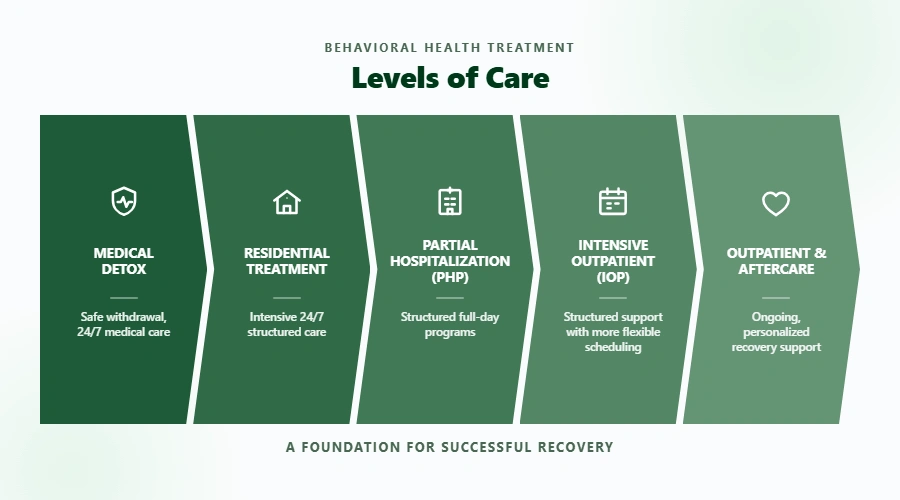
We offer two options for people who attend Catalina on an outpatient basis:
- Partial Hospitalization Programs (PHPs) are outpatient programs where individuals spend five days a week, at least six hours daily, in recovery activities while returning home at night.
- Intensive Outpatient Programs (IOPs) meet at least three hours weekly, allowing individuals to maintain their daily responsibilities while receiving treatment.
How Long Are Rehab Center Programs?
Program lengths can vary based on individual needs. Common durations for inpatient programs span from 30 to 90 days, while outpatient programs may last from a few weeks to several months.
Get Immediate Help For Alcohol and Drug Abuse
What Kind of Clothes and Items Should I Pack?
If you or a loved one have suffered from substance abuse and finally decides to seek treatment, the next questions about rehab you have may be regarding the kind of clothes and items to pack. Generally, any basic clothing items that are modest, comfortable, and appropriate for the climate and weather are accepted by rehab centers.
Here’s a checklist you can use:
- Shoes (comfy shoes for everyday wear, tennis shoes for activities/sports, and flip-flops for the shower).
- Shirts (if bringing tank tops, make sure you also pack cardigans to wear with them to comply with the dress code, which will be different for every treatment center).
- Shorts (may have to be a certain length to comply with the dress code of a rehab center).
- Pants
- Toothbrush and toothpaste
- Shampoo and conditioner
- Deodorant
- Comb/brush
- Hair styling products (pump hair spray only)
- Feminine hygiene products for female patients
The amount of clothes and accessories you need to bring will depend on how long the drug and alcohol rehab program lasts. Furthermore, they should not contain any references to or images of drugs and alcohol. As patients will have access to the laundry room of the rehab center, they don’t have to worry about running out of clean clothes.
All products used by patients will also need to be free of alcohol, including hand sanitizers and mouthwash.
How Long Are Rehab Center Programs?
Program lengths can vary based on individual needs. Common durations for inpatient programs span from 30 to 90 days, while outpatient programs may last from a few weeks to several months.
What Happens When You Go to Rehab for a Drug or Alcohol Use Disorder?
Adults considering treatment at Catalina Behavioral Health begin with an intake and clinical assessment. When appropriate, care may include residential treatment, PHP, IOP, outpatient services, therapy, counseling, and aftercare planning. Catalina does not provide on-site medical detox. If detox, hospital-based stabilization, medical clearance, or another pre-admission step is needed, our admissions team can discuss appropriate outside options before treatment begins at Catalina.
Can I Take My Prescriptions During Treatment?
One of the most common questions about rehab is whether you can take prescriptions from a doctor during a stay at a treatment center.
Although you can, it’s important to note that medications that aren’t part of the treatment program may bring problems to someone who’s undergoing drug and alcohol rehab. Many facilities will also implement a “no-narcotic policy,” so if you or your loved one need to take narcotics for a medical condition, the treatment facility can help you switch to a non-narcotic alternative.

If you or a family member suffers from substance abuse, expect that the withdrawal symptoms will last from weeks to months – post-acute withdrawal syndrome (PAWS). Thankfully, individual and group therapy can address PAWS. The maintenance therapy involves using medications that can curb cravings for alcohol, such as the following:
- Naltrexone (Vivitrol)
- Acamprosate (Campral)
- Disulfiram (Antabuse)
What Clinical and Medical Support Is Available?
Catalina provides individualized behavioral health treatment for adults through its clinical team and coordinates psychiatric or medication-related support when clinically appropriate. Staffing and services can vary, so our admissions team can explain current program capabilities. Catalina is not a hospital and does not provide emergency care or on-site medical detox.
Depending on clinical assessment and the level of care, treatment services at Catalina may include:
- A treatment provider is on site 24 hours a day
- Activities such as exercise, art therapy, and yoga
- Private rooms available
- Fresh, healthy, and delicious food
- Welcoming family atmosphere
- Individualized care across appropriate levels of support
- Beautiful, serene setting in the foothills of the Sonoran Desert
What Substance Use Disorders (Including Opioid Addiction) Does Catalina Treat?
Do you hope to find treatment for a particular problem? We help clients overcome a full spectrum of substance use disorders. To name a few:
- Alcohol
- Heroin
- Fentanyl
- Marijuana
- Cocaine
- Prescription drugs
- Ecstasy
- Kratom
- Ketamine
- Benzodiazepine
- Methamphetamine
We can provide support for these substances and many more. If you are abusing these or any other substances, you’re strongly advised to call Catalina for help today.
How Does Rehab Help With Addiction Treatment?
Our rehab center is composed of the top clinical staff members in the country. Hence, if you’re looking to address alcohol use disorders or overcome substance abuse, rest assured that we can resolve various forms of addiction.
Does Your Rehab Treat Dual Diagnosis Clients?
Yes, we do treat dual diagnosis clients. Due to the much-needed facilities required to have successful dual diagnosis treatment, looking for a rehab center that offers a solution for dual diagnosis requires proper planning. Ideally, rehab centers should provide different types of behavioral treatment.
Thankfully, Catalina Behavioral Health has programs that can help a patient overcome any mental health problems caused by substance dependency, such as dual diagnosis. For instance, our trauma-informed treatment models will provide holistic treatment to every client by finding the root of their distress.
What’s Daily Life Like at Catalina?

Daily routines in rehab usually include structured schedules that encompass therapy sessions, meal times, and recreational activities. A structured routine helps to create a sense of stability and support. Patients participate in various scheduled activities, such as individual and group therapy and holistic practices like yoga and meditation.
Do I Need to Go to Rehab or Can I Quit Substance Abuse Alone?
Stopping alcohol, benzodiazepines, opioids, or other substances can cause withdrawal symptoms that require professional assessment. A qualified medical provider should determine whether medical detox, hospital-based stabilization, outpatient medical support, or another setting is appropriate. Anyone experiencing a medical emergency should call 911 or seek emergency care.
- Withdrawal risk depends on the substance used, current symptoms, medical history, prior withdrawal experiences, medications, and other individual factors.
- Catalina can discuss whether an outside medical evaluation or detox provider may be needed before admission to an appropriate adult treatment program.
Alcohol and benzodiazepine withdrawal can be medically serious. The appropriate level of withdrawal support must be determined by a qualified medical professional; Catalina does not provide on-site detoxification or emergency services.
How Long Does Medical Detox Take?
The need for detox and its duration vary by substance, use pattern, symptoms, medical history, and response to care. A qualified medical provider should assess the safest setting and expected course. If detox is required before admission, Catalina can discuss appropriate outside next steps and treatment options after medical clearance.
Detox and Rehab Placement – Get Help Now!
Can Rehab Work if I Have Relapsed in the Past?
Yes, rehab can work if you have relapsed in the past. Knowing how to handle a relapse will allow you to prevent future setbacks and recover much easier if it should happen. Keep in mind that relapse is never too big to recover from, particularly if you or a loved one take these preventive measures:
- Reach out for help
- Attend a self-help group
- Set healthy boundaries
- Engage in self-care
- Avoid triggers
Does Insurance Cover Rehab and Treatment Facilities?
The cost of addiction treatment varies greatly between rehab centers and the type of treatment needed, with some programs being $0 out of pocket after applying benefits. Insurance coverage for rehabilitation often includes private health insurance, Medicaid, and Medicare, but out-of-pocket costs may still apply.
Private and group health plans may cover some substance use disorder treatment, but benefits depend on the specific plan, authorization, medical necessity, network status, and cost-sharing; verification is not a guarantee of payment. It can be confusing, which means it’s essential that our admissions specialists verify coverage with your insurance provider.
We are an in-network provider with most major group and private insurance plans.
Are you ready to learn if your insurance covers your addiction treatment needs? Call our admissions department today; we will take care of those details for you.
Are Other Payment Options Available?
Yes! We accept self-pay clients, which can be necessary if your insurance plan doesn’t cover addiction treatment or if you want the most privacy. Clients can usually use flexible spending plan funds to pay for services at licensed addiction treatment centers like Catalina.
What Are Co-Occurring Mental Health Disorders?
A co-occurring disorder, or dual diagnosis, refers to the presence of a substance use disorder that exists alongside a mental health disorder. A common example of dual diagnosis is alcohol use disorder and bipolar disorder.
Other common co-occurring mental health challenges include:
- Major depression
- Anxiety disorders
- Panic disorders
- Obsessive-Compulsive Disorder (OCD)
- Personality disorders
- Eating disorders
- Post-Traumatic Stress Disorder (PTSD)
- Childhood trauma-related mental health challenges
We take a holistic approach to healing, providing therapy for both addiction treatment protocols and therapy for the mental health conditions at the same time. This integrated approach is designed to support each client’s recovery goals; individual outcomes vary.
What Happens in Individual Therapy Sessions?
Our high-quality rehab programs rely on evidence-based behavioral therapies, such as Cognitive Behavioral Therapy (CBT) and Dialectical Behavior Therapy (DBT). These usually happen along with group therapy and family counseling.
These treatments help you learn to identify and confront the unhealthy thoughts that lead to drug use and replace them with new, positive thoughts that support your well-being.
Also, our programs aim at helping you develop new coping skills that will help you stay sober after you leave your treatment program.
These tools are key in helping you maintain sobriety. Some tools you may develop include resisting urges to use, reframing negative self-talk, and body scans to ground you in the present.
Is Group Therapy Effective?
Yes. Group therapy is highly effective when recovering from substance abuse and mental health disorders. Group sessions allow clients to connect with others who understand the nature of addiction and recovery while mastering new coping skills.
Group therapy helps:
- Improve communication skills
- Reduce feelings of isolation
- Build accountability
- Learn relapse prevention skills
- Develop healthy coping mechanisms
- Receive peer support during recovery
At Catalina Behavioral Health, group therapy is led by trained professionals and is often combined with individual therapy and other evidence-based treatment methods for a well-rounded recovery experience.
Will my Loved Ones Attend Family Therapy?
We often recommend family therapy as part of a comprehensive addiction treatment plan. Substance abuse and mental illnesses can impact the entire family system, making loved ones important in the recovery process.
Family therapy may help:
- Improve communication
- Rebuild trust
- Educate loved ones about addiction and recovery
- Establish healthy boundaries
- Strengthen support systems after treatment
Our clinical team will determine whether family therapy is appropriate based on each client’s individual needs and treatment goals.
Will I Have an Aftercare Plan and Ongoing Support When I Leave?
Yes. Before you leave treatment, you will work with a therapist to develop and aftercare plan to support long-term recovery and address relapse prevention.
Aftercare planning may include:
- Outpatient therapy referrals
- Support groups, like Alcoholics Anonymous (AA), Narcotics Anonymous (NA), and SMART Recovery
- Medication management
- Relapse prevention planning
- Sober living recommendations
Aftercare planning is important as you return to daily life and face challenges like having free time to fill without your drug of choice or pre-employment drug testing to return to work.
Many Forms of Insurance Accepted
Call Us Today with Other Questions About Our Treatment Programs
If you still have questions about rehab, detox, mental health, insurance, or other concerns, the admissions team at Catalina Behavioral Health is ready to help.
We are available to explain treatment options, verify your insurance benefits, and help determine the best level of care to suit your needs.
Call us today to get started; it’s free and always confidential.