
Benzodiazepine withdrawal can involve serious medical risk, especially when use is stopped suddenly or reduced too quickly. Symptoms and timelines vary, and a qualified medical professional should determine whether medical detox, hospital-based support, medical clearance, or another pre-admission step is needed.
Catalina Behavioral Health does not provide on-site benzodiazepine detox or medical withdrawal management. Once an adult is medically stable and appropriate for admission, Catalina may provide residential treatment, PHP, IOP, outpatient care, and dual diagnosis support in Tucson.
Medically Reviewed By

Dr. Roland Segal is a distinguished psychiatrist and medical reviewer who holds the role of Medical Director and Psychiatrist.
Insurance Accepted
Accreditations & Licensing

All information shared with our team is protected under HIPAA. We will never share your personal information without your written consent.
Admissions
Accepting Admissions 24/7
regarding a medical or mental health condition.
Program Statistics
Evidence-Based Benzodiazepine Rehab and Detox Services
Benzodiazepine (benzo) detox and withdrawal can involve serious medical risk, especially when a person stops suddenly, reduces use too quickly, or has been taking benzodiazepines regularly over time. Symptoms may include severe anxiety, tremors, insomnia, nausea, confusion, or seizures.
Catalina Behavioral Health does not provide on-site benzo detox or medical withdrawal management. If detox, hospital-based withdrawal support, medical clearance, or another pre-admission step may be needed before treatment, our admissions team can help callers understand appropriate next steps before residential care, PHP, IOP, or outpatient treatment in Tucson.
Catalina Behavioral Health provides benzodiazepine addiction treatment and dual diagnosis support for adults who are medically stable and appropriate for admission.
If you or someone else is in immediate danger, call 911. If you need immediate support, call or text 988.
Immediate Help For Benzodiazepine Addiction – Call Now!
What Can You Expect from Benzodiazepine Withdrawal?
Benzodiazepine withdrawal symptoms can vary based on the medication used, dose, length of use, medical history, mental health concerns, and whether other substances are involved. Withdrawal may include anxiety, insomnia, tremors, sweating, nausea, irritability, difficulty concentrating, palpitations, and, in some cases, seizures or other serious symptoms.
Benzodiazepine withdrawal should be discussed with a qualified medical professional. Stopping suddenly or reducing use too quickly can be unsafe, and some adults may need medical detox, hospital-based withdrawal support, medical clearance, or another pre-admission step before beginning addiction treatment.
Once a client is medically stable and appropriate for admission, our Tucson treatment programs can help address benzodiazepine misuse, co-occurring mental health concerns, relapse prevention, coping skills, and longer-term recovery planning.
Here is what you can expect from benzodiazepine withdrawal symptoms.
What are Benzodiazepine Withdrawal Symptoms Like During the First Days?
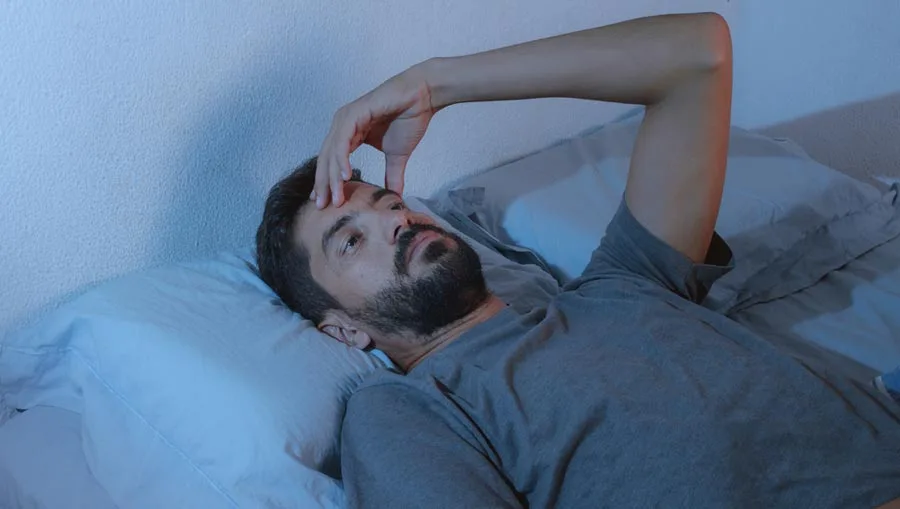
Benzodiazepine withdrawal symptoms may begin within days for some people, depending on the medication, dose, half-life, length of use, and individual health factors. Early symptoms may include sleep disturbance, anxiety, panic symptoms, hand tremors, sweating, difficulty concentrating, nausea, weight changes, palpitations, headaches, or body discomfort.
Some withdrawal symptoms may become serious and require medical attention. People should not try to stop benzodiazepines suddenly or manage severe symptoms alone. A qualified medical professional can help determine whether medical detox, hospital-based support, medical clearance, or another withdrawal-management step may be needed before treatment.
Catalina Behavioral Health does not provide on-site benzodiazepine detox. If a pre-admission medical step may be needed, our admissions team can help callers discuss possible next steps before residential, PHP, IOP, or outpatient treatment.
Benzo Detox: Withdrawal Symptoms: The First Two Weeks
Benzodiazepine withdrawal symptoms can change over time. Some adults may experience symptoms that continue beyond the first few days, while others may develop symptoms that become more severe and require medical attention.
Withdrawal timelines can vary based on the specific benzodiazepine, dose, duration of use, medical history, mental health concerns, and other individual factors. Because withdrawal can become serious, benzodiazepines should not be stopped abruptly or reduced without appropriate medical guidance.
Catalina Behavioral Health does not provide on-site benzodiazepine detox or medical tapering. If detox, hospital-based withdrawal support, medical clearance, or another pre-admission step is needed, that step may need to happen before outpatient or residential treatment at Catalina begins.
What About Generalized Anxiety Disorder and Benzo Withdrawal?
Many people are prescribed benzodiazepines for anxiety symptoms, panic symptoms, or related concerns. When benzodiazepine use becomes difficult to control or a person becomes physically dependent, stopping or reducing use may bring anxiety symptoms back or make them feel more intense.
Benzodiazepine withdrawal and anxiety symptoms can overlap, so medical and clinical guidance is important. Adults should not stop benzodiazepines abruptly or try to manage severe withdrawal symptoms alone.
Once a client completes benzo detox, treatment at Catalina may include support for benzodiazepine addiction, anxiety symptoms, co-occurring mental health concerns, coping skills, relapse prevention, and family support.
Medical Support Before Starting Therapy at Catalina

Benzodiazepine dependence can develop over time, and stopping suddenly or reducing use too quickly can be unsafe. A qualified medical professional can help determine whether benzo detox, hospital-based withdrawal support, medication, or another medical step may be needed before addiction treatment begins.
Once a client is medically stable and appropriate for admission, Catalina Behavioral Health provides benzodiazepine addiction treatment services in Tucson that may include therapy, dual diagnosis support, medication-assisted treatment, relapse prevention, medication management for appropriate mental health concerns, and continued recovery planning.
Get Effective Detox and Rehab Options – Call Now!
Our Programs of Support to Combat Post Acute Withdrawal Symptoms from Benzodiazepines
While the intense withdrawal symptoms of early detox are crucial to address, benzo abuse can often cause rebound symptoms of anxiety and insomnia, as well as post-acute withdrawals (PAWs) and a related form specific to this class of drugs known as Benzodiazepine Induced Neurological Disorder or BIND.
Our aftercare planning and alumni program will be there to assist if you or your loved one begins to feel the lingering effects of post-acute withdrawal syndrome.
Our comprehensive relapse prevention planning and emotional support offer assistance if rebound anxiety and post-acute withdrawals begin to become an issue.
4 Evidence-Based Treatments for Common Benzo Withdrawal Symptoms

Catalina Behavioral Health is proud to offer evidence-based treatments to help you learn to navigate a world without substances. Here are some of the most common therapies and holistic treatments we may offer you as you move through our program.
1) Cognitive Behavioral Therapy
Cognitive behavioral therapy is a key component of substance abuse recovery. In this form of therapy, you will look at the intersection of your thoughts, feelings, and actions. The goal is to notice thoughts as soon as they pop up so that you can influence and interpret the way you feel about them.
As feelings start to change, you can choose a different action.
Ideally, your new action would be something other than substance use. A therapist can help you come up with a list of practical coping skills you can implement in place of benzos. You may even use yoga or exercise to help, as we will see next.
2) Yoga Therapy for More Mindfulness
One of the core tenets of dialectical behavior therapy is mindfulness, which can be linked to better outcomes for substance abuse. Yoga helps to put what you learn in the therapy room into practice, moving your body through various poses and breathing exercises aimed at increasing mindfulness.
Plus, regular exercise has been shown to increase abstinence rates. There are lots of positive reasons to move your body once you make it through the most acute withdrawal symptoms. It is a natural way to get endorphins flowing and to keep your mind off the physical symptoms of your anxiety.
3) Group Therapy for Peer Support
Maybe you just need to know that someone else understands what you are currently going through. At Catalina Behavioral Health, we offer group therapy so that you can communicate with your peers and receive feedback on what you could do differently. They can commiserate with you, encourage you, and be your greatest champions as you move into sobriety.
There is a lot to be learned through group therapy sessions, which are typically led by a trained therapist. For example, you may learn dialectical behavior therapy skills like mindfulness in a group setting. You may also have access to peer-led support groups like 12-step meetings.
4) Medication Management for Anxiety Disorders and Depression
It is not uncommon for many people to realize that they struggle with anxiety symptoms or depressive symptoms upon coming off their benzodiazepines. While these can certainly be helped during a benzo detox, you might also want to talk with a medical professional about ongoing medication management with something less addictive.
To this end, your psychiatrist may prescribe you SSRIs or SNRIs to combat some of these symptoms. Other drugs that are non-habit-forming and great for anxiety and depression can include beta blockers and antihistamines.
Taking medication should be a serious consideration for anyone struggling with addiction. It can make you more comfortable psychologically as you progress through your treatment program. The right prescription can give you the space you need to make a choice not to abuse substances again in the future.
Will Benzo Detox in Tucson Be Covered by Insurance?

Insurance coverage varies by plan, provider network, level of care, medical necessity, and admission criteria. Some plans may cover behavioral health treatment services such as residential treatment, PHP, IOP, outpatient care, or related support.
Substance use is considered one of the ten essential medical benefits under the Affordable Care Act. This means that your insurance has to provide these benefits, just as they would cover a physical ailment or a surgical procedure.
They may not cover the detox in its entirety, but insurance companies are required to cover at least some of the cost. Your coverage depends on your healthcare provider, the insurance company, and your specific plan.
Catalina Behavioral Health can help you quickly verify your benefits in a confidential phone call today.
What Happens After Benzo Detox and Medical Stabilization?
After detox, hospital-based withdrawal support, medical clearance, or another stabilization step, ongoing treatment may help address the patterns and concerns connected to benzodiazepine misuse. Addiction treatment may include therapy, relapse prevention, dual diagnosis support, family involvement, coping skills, and continuing care planning.
Catalina Behavioral Health does not provide on-site benzodiazepine detox. Once a client is medically stable and appropriate for admission, treatment options at Catalina may include residential treatment, PHP, IOP, outpatient care, and ongoing recovery support.
Inpatient Treatment for Benzodiazepine Addiction
Inpatient treatment allows you to spend thirty to ninety days in our treatment program.
Here, you will learn new coping skills and connect with your peers. While you are here, you are safe from the cravings that could lead you to use again.
At Catalina Behavioral Health, we believe in offering a holistic and comprehensive treatment plan for each of our clients. We will engage you with alternative therapies like yoga as well as one-on-one therapy, group therapy sessions, and even family therapy sessions. Learn more about our treatment programs today to see if this is the right fit for you.
Outpatient Treatment for Less Restrictive Care

If you are confident that you can conquer your daily life without returning to active benzo use, then you may be able to move from medical detox right to outpatient care. This is the best fit for someone who needs to return to their career or needs to be able to support their family in some way during treatment.
Partial hospitalization allows you to spend six to eight hours a day, five days a week, in our facility at Catalina Behavioral Health. Think of it like going to school, where you will learn a new way to thrive without drug dependency. At night, you can still spend time with your family, work, and sleep in your own bed.
Once you have mastered some of the benzo withdrawal symptoms, intensive outpatient treatment (also often called an IOP) might be the next right move for you. You will have a minimum of three hours of counseling each week in addition to other therapies.
However, you are free to come and go as you please. It takes up less time than a partial hospitalization program on a daily basis and overall, and is often also used as a stepdown from PHP.
We Accept Most Major Insurance Providers – Call Now!
Get Help for Benzodiazepines at Catalina Behavioral Health Now
Benzodiazepine addiction can feel difficult to face, especially when withdrawal symptoms or anxiety symptoms are part of the concern. Catalina Behavioral Health helps adults understand treatment options for benzodiazepine addiction and co-occurring mental health concerns in Tucson.
Some clients may need benzo detox, withdrawal support, or another pre-admission step before beginning treatment. Call Catalina Behavioral Health today to speak with our admissions team about residential treatment, PHP, IOP, or outpatient care.
FAQs about Benzo Detox in Tucson
Does Catalina Behavioral Health provide benzodiazepine detox?
Catalina Behavioral Health does not provide on-site benzo detox or medical withdrawal management. Some clients may need detox, hospital-based withdrawal support, medical clearance, or another pre-admission step before beginning treatment. Our admissions team can help callers discuss possible next steps before residential care, PHP, IOP, or outpatient treatment.
Can benzodiazepine withdrawal be dangerous?
Yes. Benzodiazepine withdrawal can involve serious medical risk, especially if someone stops suddenly or reduces use too quickly. Symptoms may include severe anxiety, insomnia, tremors, confusion, or seizures. Anyone concerned about benzo withdrawal should seek appropriate medical guidance.
Should I stop taking benzodiazepines on my own?
No one should stop benzodiazepines abruptly or attempt to self-manage severe withdrawal symptoms without medical guidance. A qualified medical professional can help determine whether detox, hospital-based support, medical clearance, or another step may be needed before addiction treatment.
What happens after benzo detox or medical stabilization?
After detox, hospital-based withdrawal support, medical clearance, or another stabilization step, ongoing treatment may help address benzodiazepine misuse, co-occurring mental health concerns, relapse prevention, coping skills, family support, and longer-term recovery planning.
What treatment options does Catalina Behavioral Health offer for benzodiazepine addiction?
Catalina Behavioral Health provides benzodiazepine addiction treatment options for adults in Tucson, Arizona. Depending on clinical needs and admission appropriateness, care may include residential treatment, PHP, IOP, outpatient programming, dual diagnosis support, therapy, relapse prevention, and aftercare planning.
References
- Maust, D. T., Lin, L. A., & Blow, F. C. (2019). Benzodiazepine Use and Misuse Among Adults in the United States. Psychiatric services (Washington, D.C.), 70(2), 97–106.
- Pétursson H. (1994). The benzodiazepine withdrawal syndrome. Addiction (Abingdon, England), 89(11), 1455–1459.
- Magill, M., Ray, L., Kiluk, B., Hoadley, A., Bernstein, M., Tonigan, J. S., & Carroll, K. (2019). A meta-analysis of cognitive-behavioral therapy for alcohol or other drug use disorders: Treatment efficacy by contrast condition. Journal of consulting and clinical psychology, 87(12), 1093–1105.
- Garland, E. L., & Howard, M. O. (2018). Mindfulness-based treatment of addiction: current state of the field and envisioning the next wave of research. Addiction science & clinical practice, 13(1), 14.
- Wang, D., Wang, Y., Wang, Y., Li, R., & Zhou, C. (2014). Impact of physical exercise on substance use disorders: a meta-analysis. PloS one, 9(10), e110728.
- National Archives and Records Administration. (n.d.-a). Substance Abuse and the Affordable Care Act. National Archives and Records Administration.