


Molina Healthcare is a Medicaid-focused managed care plan that generally covers behavioral health services, including substance abuse treatment and mental health care. Covered services typically include medical detox, inpatient rehab, partial hospitalization, and intensive outpatient programs, though specific benefits depend on your plan and state of enrollment.
Catalina Behavioral Health in Tucson accepts Molina Healthcare and works directly with the plan to verify coverage on your behalf. A free and confidential benefits check can be completed quickly, helping you understand your options and start treatment without financial uncertainty.
Using Molina Insurance for Mental Health Treatment and Addiction Treatment
Rehabs that accept Molina Healthcare may be able to review benefits for mental health treatment, substance use treatment, or dual diagnosis care. However, coverage depends on the specific Molina plan, network status, medical necessity, prior authorization rules, and the level of care recommended after assessment.
Catalina Behavioral Health in Tucson, Arizona, helps adults and families understand insurance benefits before admission whenever possible. Our admissions team can review your Molina information, explain what we can verify, and help you understand potential out-of-pocket costs such as deductibles, copays, coinsurance, and authorization requirements.
Insurance verification is not a guarantee of payment or admission. But it is an excellent first step that can help you make a more informed decision about care.
Molina Healthcare and Coverage for Substance Use Disorders
Mental health and substance use disorder benefits are commonly included in health insurance coverage, but the details are not the same for every Molina member. Coverage may depend on the plan’s benefit design, provider network, medical necessity criteria, authorization rules, and the setting where treatment takes place.
Coverage for medically necessary detox services depends on plan terms, medical necessity, and the outside detox, hospital, or withdrawal-support provider involved. Catalina Behavioral Health does not have on-site medical detox. However, our admissions team can help review benefits and discuss whether a detox referral, medical clearance, or another pre-admission step could be needed before treatment at Catalina.
For adults seeking help with alcohol or drug use concerns, Catalina Behavioral Health can help verify whether Molina benefits may apply to services such as withdrawal symptoms management, residential treatment, partial hospitalization, intensive outpatient programming, outpatient therapy, medication-related services, and continuing care planning.
Verification does not replace a clinical assessment, and it does not guarantee that Molina will approve or pay for every service. It can, however, help clarify what the plan appears to cover and what steps may be needed before treatment begins.
Free Insurance Coverage Verification
What Levels of Care Does Molina Rehab Coverage Provide Support For?
Catalina Behavioral Health may review Molina benefits for several levels of behavioral health and addiction treatment, depending on the adult’s needs and the plan’s benefits.
Does Molina Insurance Cover Residential Treatment?
Residential treatment provides a structured treatment setting for adults who need more support than standard outpatient care can provide. This level of care may be considered when symptoms, substance use, relapse risk, home environment, or daily functioning make it difficult to stabilize while living at home.
Molina coverage for residential treatment may depend on medical necessity, plan benefits, network status, authorization requirements, and continued-stay reviews. Admissions can help review whether residential or inpatient benefits appear available and what steps may be needed before admission.
Does Molina Cover Partial Hospitalization Programs?
A partial hospitalization program, often called PHP, is a highly structured outpatient level of care. PHP may be appropriate for adults who need frequent therapeutic support but do not require 24-hour residential care. Programming may include individual therapy, group therapy, skills work, psychiatric support, relapse-prevention planning, and care coordination when clinically appropriate.
Molina plans may review PHP differently than residential treatment or standard outpatient therapy. Admissions can help verify whether PHP benefits appear under the plan, whether authorization may be required, and whether cost-sharing may apply.
Does Molina Cover IOPs for Intensive Outpatient Support?
An intensive outpatient program, or IOP, provides scheduled treatment several times per week while allowing clients to live outside the treatment setting. IOP may be used as a step-down from residential or PHP care, or as a starting level of care when a person needs more structure than weekly therapy.
Molina coverage for IOP may vary based on the plan, diagnosis, clinical review, provider network, and authorization rules. Admissions can help review whether IOP is listed as a covered behavioral health benefit and whether Molina requires approval before services begin.
Outpatient Therapy
Outpatient therapy (either IOP or PHP) may include individual counseling, group therapy, family counseling, medication-management support, or continuing behavioral health care after a higher level of treatment. This level of care may be helpful for adults who are stable enough to live at home while continuing treatment.
Molina coverage for outpatient therapy can vary by provider type, service type, visit limits, network status, and cost-sharing. Admissions can help review whether outpatient benefits appear available and whether counseling services are handled differently from higher levels of care.
Continuing Care and Aftercare Planning
Continuing care is an important part of treatment planning because recovery and mental health stabilization often require support after the first phase of care ends. Aftercare planning may include outpatient therapy, medication follow-up, peer support, relapse-prevention planning, family support, alumni resources, community referrals, and coordination with other providers when appropriate.
Molina benefits may apply differently after a client steps down from one level of care to another. Admissions and clinical staff can help review available benefits and discuss options for maintaining support after discharge.
Other Treatment Services That Molina May Cover
With residential treatment, PHP, IOP, and outpatient therapy, some Molina plans may include benefits for related behavioral health services that support mental health and substance use treatment. These services may be reviewed separately from the main level of care, depending on the plan, provider type, diagnosis, authorization requirements, and whether the service is considered medically necessary.
Catalina Behavioral Health admissions can help review whether these services appear under a Molina plan’s behavioral health benefits and whether they are handled differently from residential or outpatient programming.
Medication Management
Medication management may be part of treatment for adults who are receiving care for mental health symptoms, substance use concerns, or co-occurring conditions. This service may involve meeting with a qualified prescribing provider to review current medications, discuss symptoms, monitor side effects, adjust prescriptions when clinically appropriate, and coordinate medication-related support with the broader treatment plan.
Molina coverage for medication management may depend on the plan’s behavioral health benefits, provider network, diagnosis, authorization rules, and whether pharmacy benefits are involved. Some medication-related services may be reviewed under behavioral health benefits, while specific prescriptions may be reviewed through pharmacy coverage. Admissions can help review the rehabilitation and treatment program side of the benefits and explain when additional plan review may be needed.
Medication-Assisted Treatment
Medication-assisted treatment, often called MAT, may be used as part of care for some adults with opioid use disorder or alcohol use disorder. MAT may include FDA-approved medications along with counseling, therapy, relapse-prevention planning, and ongoing clinical support. Medication-assisted treatment is not the same for every person. Whether it is appropriate depends on clinical assessment.
Molina coverage for MAT may vary based on the medication, diagnosis, provider type, treatment setting, pharmacy benefits, prior authorization requirements, and the plan’s medical necessity criteria. Some plans may review the medication separately from counseling or program participation. Catalina Behavioral Health admissions can help review available benefits and clarify what information may be needed before treatment begins.
Does Molina Insurance Cover Dual Diagnosis Treatment?
Dual diagnosis treatment may be appropriate when a person is experiencing both substance use concerns and mental health symptoms such as depression, anxiety, trauma-related symptoms, bipolar disorder, or other behavioral health conditions. In a dual diagnosis treatment setting, care may address both concerns together rather than treating them as unrelated issues.
Molina benefits for dual diagnosis therapies may depend on whether the plan includes mental health and substance use disorder benefits, the recommended level of care, clinical documentation, provider network, and authorization requirements. Coverage may also vary depending on whether services are delivered in residential treatment, PHP, IOP, or outpatient therapy. Admissions can help verify whether dual diagnosis treatment services may be reviewed under the plan.
Trauma Therapy
Trauma therapy may support adults whose mental health or substance use concerns are connected to traumatic experiences, chronic stress, grief, violence, neglect, loss, or other difficult life events. Trauma-informed care focuses on safety, stabilization, emotional regulation, coping skills, and therapeutic support without forcing a person to discuss details before they are clinically ready.
Molina coverage for trauma therapy may depend on the plan’s behavioral health benefits, diagnosis, provider credentials, treatment setting, session type, and authorization rules. Trauma-related care may be included as part of individual therapy, group therapy, residential treatment, PHP, IOP, or ongoing outpatient support. Catalina Behavioral Health admissions can help review whether trauma therapy benefits appear available and whether any plan requirements apply.
Molina May Require Rehab Centers to Start Outpatient Treatment

Molina will require some clients to attend an outpatient treatment program first. In this less structured setting, clients can continue with their regular activities while receiving therapy at an outpatient treatment facility, which is less restrictive than an inpatient facility.
Outpatient care can take several forms. All of these are types of outpatient care, although intensive outpatient programs (IOP) and partial hospitalization programs (PHP) tend to be the most common. There is a wide range in the intensity and organization of outpatient care.
Care received outside of a hospital is often covered by rehabs that accept Molina Healthcare insurance coverage plans. Depending on your insurance policy, you may need to get approval ahead of time. To determine what kind of outpatient care will best suit your needs, consult with our admissions professionals at Catalina for free insurance verification.

Does Catalina Behavioral Health Accept Molina for Drug and Alcohol Treatment?
Catalina Behavioral Health can help review Molina coverage for adults seeking drug or alcohol treatment in Arizona. Molina plan details can vary, so admissions will need to verify the specific policy before discussing possible coverage, estimated out-of-pocket costs, or authorization requirements.
A benefits review may include:
- Whether any plan limitations appear during verification
- Whether the plan appears active
- Whether Catalina is in network or out of network
- Whether prior authorization may be required
- Which levels of care may be reviewed
- Whether deductibles, copays, or coinsurance may apply
- Whether single-case agreements or out-of-network benefits may be relevant
Licensed Addiction Treatment
Are Addiction and Mental Health Treatment Covered by Your Molina Healthcare Plan?
A Molina Healthcare plan may include behavioral health or substance use disorder benefits, but coverage must be checked at the plan level. Benefits may differ for residential treatment, inpatient care, partial hospitalization, intensive outpatient care, outpatient therapy, medication-related services, and aftercare planning.
The type of treatment being requested matters. For instance, PHP and IOP may have different authorization rules. Individual counseling, group therapy, family counseling, psychiatric support, and medication-related services may also be reviewed under different parts of the plan.
Catalina Behavioral Health can help verify what your Molina plan shows at the time of review. Admissions can also explain whether the plan appears to require authorization, whether Catalina is listed as in-network or out-of-network, and whether estimated out-of-pocket costs appear during verification.
Determining Substance Abuse Treatment Coverage Under Molina Healthcare
Catalina Behavioral Health’s admissions team can begin verification with basic insurance and contact information. The call is free and confidential.
Please have the following available:
- Molina insurance card
- Member ID number
- Group number, if listed
- Policyholder name and date of birth
- Patient name and date of birth, if different from the policyholder
- Current phone number
- Any recent authorization, referral, or case management information, if available
Admissions will review the information available from the plan and explain what can be verified. Some details may require additional review. Benefits can also change if a plan is inactive, eligibility changes, authorization is not approved, or the requested level of care does not meet the plan’s requirements.
Does Molina Healthcare Cover Alcohol and Drug Treatments?

Molina coverage for alcohol or drug detox depends on the plan, medical necessity review, provider network, authorization rules, and the appropriate treatment setting. Detox services are often reviewed separately from residential or outpatient treatment because withdrawal support may require a different level of monitoring and documentation.
Catalina Behavioral Health can help verify whether Molina benefits may apply to detox-related care and whether additional authorization or referral steps may be needed.
If you or someone else is in immediate danger, call 911. If you need immediate support, call or text 988.
Those struggling with alcoholism also have access to medication-assisted therapy options. Your doctor may recommend medication to supplement your behavioral treatment.
Medication-assisted therapy for alcohol consumption disorder may be covered in full or in part by your Molina Healthcare insurance plan.
24 Hour Drug Addiction Rehab Hotline – Get Help Now
How Molina Verification Works When You Call Admissions

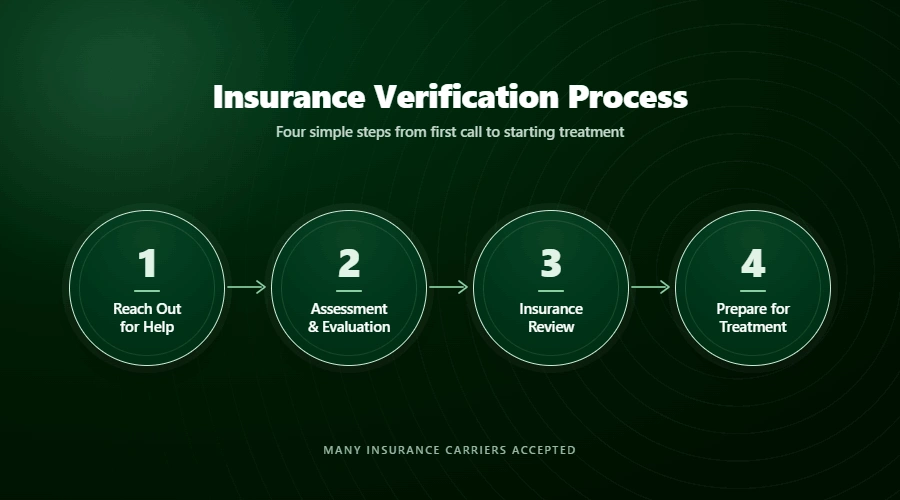
Here are the steps to expect when you call Catalina’s admissions department for assistance with your Molina insurance:
Step 1: Call Catalina Behavioral Health
Call us and let admissions know you would like help verifying Molina coverage for behavioral health or addiction treatment. The call is confidential, and there is no charge for insurance verification.
Step 2: Share Your Insurance Card Information
Admissions will ask for the information needed to review your Molina benefits. Having your insurance card available can help the process move more smoothly. If another person is helping you call, admissions can explain what information may be needed before benefits can be reviewed.
Step 3: Review Possible Benefits
Admissions may review active coverage, network status, deductible, copay, coinsurance, prior authorization requirements, and whether the plan lists benefits for the level of care being considered. Some benefits may be clear during the first review, while others may require additional follow-up.
Step 4: Discuss Level-of-Care Options
Insurance verification is only one part of the admissions process. Clinical needs, safety, treatment history, current symptoms, substance use patterns, availability, and program fit may all matter when discussing care options.
Step 5: Understand What Verification Can and Cannot Confirm
Insurance verification can help clarify available benefits, but it cannot guarantee admission, authorization, or final payment. Final payment depends on Molina’s rules, eligibility at the time of service, authorization decisions, claims processing, and medical necessity review.
Get Support Options Today Using Molina Rehab Coverage
Catalina Behavioral Health helps adults in Tucson, Arizona, review Molina coverage for mental health treatment, substance use treatment, and dual diagnosis care. Because Molina benefits vary by plan, admissions can verify your insurance information before discussing possible levels of care, estimated costs, or authorization requirements.
Our team understands that insurance questions often come up during a stressful time. Admissions can help review your Molina card, explain what information can be checked, and discuss next steps based on your situation.
For help reviewing Molina coverage, call Catalina Behavioral Health admissions today.
FAQs About Molina Healthcare Coverage for Addiction and Mental Health Treatment
Does Molina Healthcare cover rehab or behavioral health treatment?
Molina plans may include coverage for addiction treatment, mental health care, inpatient or residential treatment, outpatient care, PHP, IOP, or medication-assisted treatment. Coverage depends on the plan, medical necessity, authorization requirements, and payer rules.
Can I use Molina at Catalina Behavioral Health?
Catalina’s admissions team can help review Molina benefits and explain whether the plan may apply to treatment. Molina coverage can vary by state, plan type, eligibility category, level of care, and medical necessity requirements, so benefits should be verified before admission.
Does Molina require approval before treatment?
Molina or its plan administrators may require prior approval for nonemergency behavioral health services, especially higher levels of care. Requirements vary by policy and service type. Verification can help identify likely requirements, but it does not guarantee approval or payment.
What costs might I have with Molina coverage?
Out-of-pocket costs depend on the Molina plan, deductible, copay, coinsurance, authorization rules, covered services, and network requirements. Some members may owe little, while others may have cost-sharing. Catalina can help estimate benefits before treatment begins.
Does inpatient drug or alcohol rehab with Molina Healthcare cost anything?
Patients enrolled in inpatient treatment programs are able to live at the treatment center while they focus entirely on their rehabilitation. Inpatient drug and alcohol treatment is often covered in full or in part by many rehabs that accept Molina Healthcare plans.
Does Molina Healthcare cover outpatient alcohol and drug treatment?
Some Molina plans may include outpatient alcohol and drug treatment benefits. Outpatient services may include individual counseling, group therapy, family counseling, intensive outpatient programming, partial hospitalization, medication-related services, or continuing care.
Coverage depends on the plan, provider network, diagnosis, authorization requirements, and the type of outpatient service being requested. Admissions can help review whether outpatient benefits appear under your Molina policy.
Are methadone and Suboxone covered by Molina Healthcare?
Coverage for methadone, Suboxone, or other medication-assisted treatment services depends on the specific Molina plan, the medication, the provider, pharmacy benefits, diagnosis, authorization rules, and the treatment setting. Medication coverage may be reviewed differently from therapy, residential care, or outpatient programming.
Admissions can help review treatment program benefits, but medication-specific coverage may require additional plan review.
Is Catalina Behavioral Health in network with Molina Healthcare?
Network status depends on the specific Molina plan. Some plans may use different provider networks, and the answer can vary by plan type, county, and location. Catalina Behavioral Health admissions can review your Molina information and explain what can be verified.
If Catalina is not listed as in network for a specific Molina plan, admissions may still be able to review whether out-of-network benefits, single-case agreements, or other options appear relevant. Availability depends on the plan.
Can Catalina Behavioral Health verify my Molina benefits for free?
Yes. Insurance verification through Catalina Behavioral Health admissions is free and confidential. Verification can help clarify active coverage, possible behavioral health benefits, network status, prior authorization requirements, and estimated out-of-pocket costs when that information is available.
What do I need when I call admissions?
Please have your Molina insurance card available when you call. Admissions may need the member ID, group number if listed, policyholder name, date of birth, patient information if different from the policyholder, and a good phone number for follow-up.
Does Molina cover individual counseling?
Individual counseling may be covered under some Molina behavioral health benefits. Coverage can depend on provider type, diagnosis, treatment setting, visit limits, cost-sharing, and authorization rules. Admissions can help review whether individual counseling benefits appear available and whether counseling is handled differently from higher levels of care such as residential treatment, PHP, or IOP.
Does Molina cover group or family counseling?
Some Molina plans may include benefits for group therapy or family counseling when clinically appropriate and included in the plan’s behavioral health benefits. Coverage may vary by setting, provider, authorization rules, and whether the service is part of a broader treatment program. Catalina Behavioral Health admissions can help review whether group or family counseling benefits appear under your Molina policy.
Does Molina cover emergency or crisis care?
Emergency and crisis care are handled differently from scheduled admissions or routine treatment. For immediate danger, call 911. For immediate mental health support, call or text 988. Catalina Behavioral Health admissions can help with non-emergency treatment questions, insurance verification, and next steps for adults seeking care.
Resources:
- Molina Health Care Members page.
- Arizona Health Care Cost Containment System (AHCCCS) Available Health Plans page.
- Healthcare.gov mental health and substance abuse coverage.
- Substance Abuse and Mental Health Services Administration (SAMHSA) 2024 National Survey on Drug Use and Health.