
A Short Trip That Can Make a World of Difference
For anyone searching online for drug rehab, Gilbert, AZ, does offer a handful of providers. But those who are looking for drug rehab in Arizona may need to compare more than proximity. Program fit, level of care, insurance coverage, clinical needs, family involvement, and travel logistics can all affect the decision.
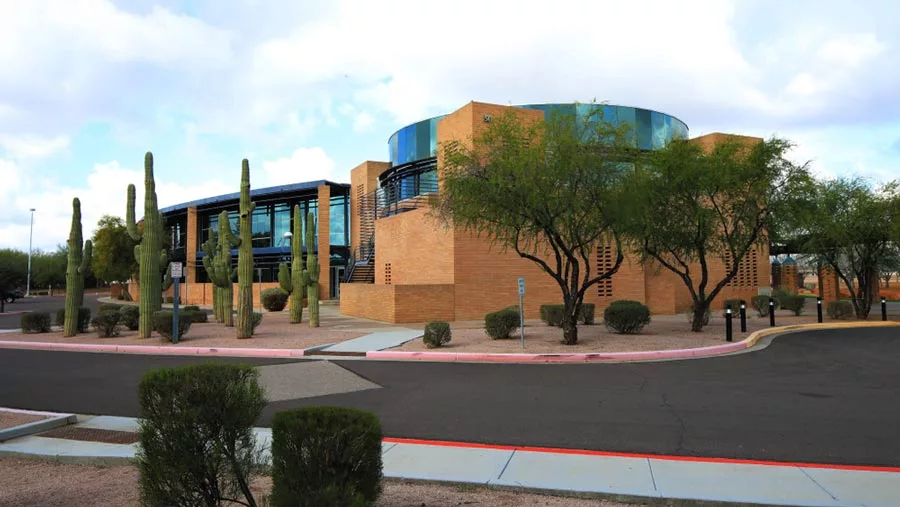
Catalina Behavioral Health provides behavioral health and substance use treatment services at our Tucson facility, located at 6599 N Oracle Rd, Tucson, AZ 85704. For Gilbert residents, treatment involves travel outside the East Valley, which can be helpful for some people who want structured support away from daily stressors, triggers, or local routines.
Our admissions team can talk through available programs, insurance verification, travel questions, and what to expect before arrival. Calling does not obligate anyone to begin treatment. It is a first step toward understanding options.
Keep reading to find out more about our services, and why the convenience of Catalina, less than two hours from Gilbert, forms a compelling choice for inpatient treatment!
24 Hour Addiction Rehab Hotline
Meet Lee, Someone Who Overcame Addiction at Catalina
Lee’s name and identifying details have been changed for privacy. Before treatment, substance use had affected Lee’s health, relationships, and sense of stability. Like many people who reach out for help, Lee had tried to stop before and found that doing it alone was difficult.
At Catalina Behavioral Health, Lee participated in a structured treatment setting with clinical support, group connection, and individualized planning. Recovery looked different from day to day. Some moments were difficult, and some brought relief, clarity, and progress.
Stories like Lee’s are not promises of a specific result. They reflect one person’s experience of asking for help, accepting support, and beginning to build a more stable path forward.
The Importance of Reaching Out for Support
In our example, Lee learned that reaching out for help can feel uncomfortable, especially when substance use has affected trust, family relationships, work, or health. Many adults delay calling because they are unsure what treatment involves or worry they will be pressured into a decision.
A first call with Catalina Behavioral Health is a chance to ask questions. Our team can explain available levels of care, discuss insurance verification, and help identify next steps based on the person’s needs and circumstances.
For Gilbert residents, it is also important to understand the location clearly. Treatment takes place at our Tucson facility, not in Gilbert. Our team can discuss travel planning and admission logistics before arrival.
Understanding the Underlying Causes of Alcohol or Drug Abuse

Substance use concerns can involve many factors, including stress, trauma, mental health symptoms, grief, pain, family history, environment, and repeated exposure to alcohol or drugs. No single explanation fits every person.
Treatment planning often begins with understanding the person’s health history, substance use patterns, emotional needs, safety concerns, and goals. Some people may also have anxiety, depression, trauma-related symptoms, bipolar disorder, or other mental health concerns that need to be considered as part of care.
Catalina Behavioral Health provides treatment planning that looks at the whole person. The admissions and clinical process helps determine what levels of care may be appropriate and whether additional medical or psychiatric support may be needed.
The Roots of Addiction to Drugs and Alcohol
Substance use disorders can develop over time and may be influenced by biological, psychological, social, and environmental factors. Stress, trauma, isolation, chronic pain, grief, and mental health symptoms can also play a role for some people.
Understanding these factors can help shape a treatment plan that is more specific to the person rather than focused only on stopping use. Care may include clinical support, group work, relapse-prevention planning, family involvement when appropriate, and connection to ongoing recovery resources.
Dual Diagnosis: Addressing Mental Health Alongside Addiction
Some adults who seek help for substance use also live with mental health symptoms. This is often called co-occurring or dual diagnosis care. Depression, anxiety, trauma-related symptoms, bipolar disorder, and other concerns may affect how a person experiences recovery and what kind of support they need.
Dual diagnosis treatment does not mean every person has the same needs. It means the care team considers both substance use and mental health during assessment, treatment planning, and ongoing support. Addressing these concerns together can help create a clearer and more realistic plan of care.
Dual Diagnosis Treatment Helpline
Treatment Centers: Inpatient Residential Versus Outpatient Care
Treatment needs vary from person to person. Some adults may benefit from a structured residential setting where they can step away from daily stressors and focus on stabilization and recovery work. Others may be appropriate for outpatient services that allow them to continue living at home while attending scheduled treatment.
The right level of care depends on several factors, including substance use history, withdrawal risk, mental health needs, safety concerns, support at home, prior treatment experience, and clinical recommendations. Catalina Behavioral Health can discuss available options and help determine what level of care may fit based on an assessment and program availability.
For Gilbert residents, outpatient scheduling also requires practical planning. Travel distance, work obligations, family responsibilities, and local follow-up resources may all need to be considered.
Individualized Care Plans: The Key to a Successful Recovery Process
Each person enters treatment with a different history, set of needs, and support system. Individualized care planning helps align treatment with the person’s substance use concerns, mental health needs, goals, and next steps after discharge.
At Catalina Behavioral Health, care planning may include individual therapy, group therapy, family involvement when appropriate, relapse-prevention work, psychiatric support, peer connection, and aftercare planning. Services vary by program, clinical need, and availability.
What to Expect When You Enter Our Rehabilitation Center

Beginning treatment can feel unfamiliar. Knowing the basic steps ahead of time can make the process easier to understand.
Catalina Behavioral Health provides treatment at our Tucson facility. Before arrival, our admissions team can answer questions about insurance verification, what to bring, communication with loved ones, program expectations, and travel planning from Gilbert.
Treatment commonly begins with an intake process, followed by clinical assessment and care planning. The exact services involved depend on the person’s needs, program fit, and clinical recommendations.
Intake Assessment
When you arrive at Catalina Behavioral Health in Tucson, the intake process helps our team better understand your needs. This may include questions about medical history, substance use patterns, mental health symptoms, current medications, safety concerns, and prior treatment experiences.
The information gathered during intake helps guide care planning. It also gives you an opportunity to ask questions and understand what to expect during treatment.
Safe Detoxification Under Medical Supervision
Some people need support for withdrawal before beginning the next phase of treatment. Detox needs depend on the substance used, frequency of use, medical history, current symptoms, and safety risks.
When detox services are appropriate and available, medical supervision can help monitor symptoms and provide support during the withdrawal process. Detox planning should always be handled by qualified professionals because withdrawal risks vary by person and substance.
Meeting with Your Clinical Team
During treatment, clients may meet with members of the clinical and medical team as part of ongoing care. These conversations can help monitor progress, address concerns, review treatment goals, and adjust planning when clinically appropriate.
Care may involve coordination between therapists, medical providers, psychiatric professionals, case management staff, and recovery support team members, depending on the program and the person’s needs.
Types of Therapy Our Clients Can Expect

Therapeutic services may vary by program, clinical need, and availability. Depending on the treatment plan, care may include:
- Cognitive Behavioral Therapy (CBT)
- Dialectical Behavior Therapy (DBT)
- Eye Movement Desensitization and Reprocessing (EMDR
- Family Therapy
- Group Therapy
- Individual Therapy
- Mindfulness-Based Relapse Prevention
- Motivational Interviewing
- Trauma-Informed Care
Aftercare: Relapse Prevention and Group Sessions
Planning for life after treatment is an important part of care. Aftercare may include relapse-prevention planning, outpatient treatment referrals, peer-support meetings, family support, medication follow-up when appropriate, and connection to local resources.
For Gilbert residents, aftercare planning may include identifying support options in the East Valley or broader Maricopa County area. Alcoholics Anonymous, Narcotics Anonymous, outpatient providers, crisis lines, community resource programs, and transportation options may all be part of a practical support plan.
Peer-support meetings are not a substitute for clinical care, but many people find them helpful as part of ongoing recovery support.
NA and AA Meetings in Gilbert, Arizona
| Fellowship | Meeting Name | Day(s) | Time | Open/Closed | Meeting Type(s) | Format | Venue | Address | Accessibility/Notes | Last Verified |
|---|---|---|---|---|---|---|---|---|---|---|
| AA | Upon Awakening | Thursday | 6:45 AM | Closed | Big Book | In-person | Desert Cross Lutheran Church – Gilbert | 3225 S Lindsay Rd, Gilbert, AZ 85295 | Accessibility not listed | May 28, 2026 |
| AA | The Page A Day Group | Thursday | 6:45 AM | Closed | Big Book | In-person | Sun Valley Community Church | 456 E Ray Rd, Gilbert, AZ 85296 | Accessibility not listed | May 28, 2026 |
| AA | Grateful Girlfriends | Thursday | 6:00 PM | Not listed | Women | In-person | Grateful Girlfriends | 560 E Germann Rd STE 104, Gilbert, AZ 85297 | Accessibility not listed | May 28, 2026 |
| AA | Gilbert Group | Friday | 7:30 PM | Open | Not listed | In-person | Vineyard Community Church | 601 S Cooper Rd, Gilbert, AZ 85233 | Accessibility not listed | May 28, 2026 |
| NA | Just For Today | Wednesday | 7:00 PM | Open | Discussion; Just for Today | In-person | Could not verify | 235 E Guadalupe Rd, Gilbert, AZ | Accessibility not listed | May 28, 2026 |
| NA | Gilbert Solutions Group | Thursday | 7:00 PM | Open | Just for Today; Living Clean | In-person | Gilbert Presbyterian Church | 235 East Guadalupe Road, Gilbert, AZ 85234 | Wheelchair access listed | May 28, 2026 |
Meeting details can change, so confirm directly with the listed AA or NA source before attending.
Local Recovery & Community Resources
| Resource name | What it helps with | Address or service area | Phone if listed | Website/source link |
|---|---|---|---|---|
| 988 Suicide & Crisis Lifeline | 24/7 crisis support by call, text, or chat | National | 988 | (Maricopa County) |
| Arizona Behavioral Health Crisis Line | 24/7 behavioral health crisis support and referrals | Statewide Arizona | 1-844-534-HOPE / 1-844-534-4673 | (AHCCCS) |
| Maricopa County Crisis Line | Local behavioral health crisis support | Maricopa County | 602-222-9444; 1-800-631-1314; TTY/TDD 1-800-327-9254 | (Maricopa County) |
| Maricopa County Mental Health & Substance Use | County behavioral health, substance use, suicide prevention, and data resources | Maricopa County | 602-506-3011 main line | (Maricopa County) |
| Maricopa County Behavioral Health Resources | AHCCCS plan contacts, RBHA information, AA/NA links, and local resource referrals | Maricopa County | Varies by plan/resource | (Maricopa County) |
| Mercy Care ACC-RBHA | Regional behavioral health authority information and crisis connection | Central Arizona / Maricopa County | Crisis: 1-844-534-HOPE | (Aetna) |
| 2-1-1 Arizona | Referrals for housing, food, utilities, transportation, health, and community support | Statewide Arizona | 211 | (2-1-1 Arizona) |
| Gilbert Assistance Programs & Resource Directory | Local assistance programs and referrals for Gilbert residents | Gilbert | Not listed on source page | (Town of Gilbert) |
| Gilbert Community Resources Division | Community resource connection for eligible Gilbert residents and organizations | 50 E Civic Center Dr, Gilbert, AZ 85296 | 480-503-6956 | (211 Arizona) |
| A New Leaf Housing & Shelter Services | Housing assistance, shelter, rental assistance, and case management | Valley-wide / metro Phoenix area | Varies by program | (A New Leaf) |
| Valley Metro Transit and Paratransit | Bus, transit, ADA paratransit, and transportation planning | Gilbert / metro Phoenix region | 602-253-5000; TTY 602-251-2039 | (gilbertaz.gov) |
| East Valley Intergroup of Alcoholics Anonymous | AA meeting information and 24-hour AA helpline | East Valley | 480-834-9033 | (AAMES Arizona) |
| East Valley Area Narcotics Anonymous | NA meetings and East Valley Area helpline | East Valley | 480-897-4636 | (Arizona Region of NA) |
If you or someone else is in immediate danger, call 911. If you need immediate support, call or text 988.
Local Data & Context
- Maricopa County fatal overdose data are tracked at the county level, with city-specific dashboards only for Chandler, Glendale, Mesa, Phoenix, Scottsdale, and Tempe because those cities averaged at least 50 fatal overdoses per year during 2020–2024. Gilbert was not included in those city-specific dashboards. Source: Maricopa County Department of Public Health, 2024 data compiled December 2025.
- Using the comparable resident-only methodology, Maricopa County recorded 1,500 fatal overdoses in 2024, a rate of 32.1 per 100,000 residents. Source: Maricopa County Department of Public Health, 2024 data compiled December 2025.
- Maricopa County’s comparable fatal overdose count decreased from 1,554 in 2023 to 1,500 in 2024. Source: Maricopa County Department of Public Health, 2024 data compiled December 2025.
- In 2024, Maricopa County’s resident-only fatal overdose rate was higher among males, 49.2 per 100,000, than females, 17.8 per 100,000. Source: Maricopa County Department of Public Health, 2024 data compiled December 2025.
- In 2024, the highest listed Maricopa County age-group fatal overdose rates were among adults ages 35–44, 62.7 per 100,000, followed by adults ages 45–54, 56.5 per 100,000, and adults ages 55–64, 53.4 per 100,000. Source: Maricopa County Department of Public Health, 2024 data compiled December 2025.
- CDC’s SUDORS dashboard uses death certificates, medical examiner or coroner reports, and postmortem toxicology results to provide more detailed fatal overdose surveillance data. Source: CDC SUDORS, February 5, 2026.
What this may mean locally
Gilbert residents are part of the broader Maricopa County behavioral health and substance use landscape, but publicly available city-specific overdose data for Gilbert are more limited than for larger nearby cities. For families comparing treatment options, county-level data can provide context, while individual decisions still depend on personal needs, safety concerns, insurance coverage, transportation, and appropriate level of care.
Driving Directions From Gilbert to Catalina Behavioral Health
Starting point: Gilbert Town Hall, 50 E Civic Center Dr, Gilbert, AZ 85296
Destination: Catalina Behavioral Health, 6599 N Oracle Rd, Tucson, AZ 85704
Route option 1: Via Loop 202 and I-10
From Gilbert Town Hall, head toward Loop 202/Santan Freeway. Take Loop 202 west or southwest toward I-10. Merge onto I-10 east/southeast toward Tucson. As you approach Tucson, use an appropriate Tucson exit for Orange Grove Road or another north Tucson connector, then continue toward N Oracle Road. Follow N Oracle Road to 6599 N Oracle Rd.
Route option 2: Via US-60 / AZ-79 / Oracle Road
From Gilbert, connect toward US-60 east and continue toward the Florence Junction area. Take AZ-79 south toward Florence, then continue toward the Oracle Junction/Tucson approach. Follow the route toward AZ-77/Oracle Road and continue south into the Tucson area. Proceed to 6599 N Oracle Rd.
Travel conditions can vary because the trip involves metro Phoenix traffic, highway driving, weather, construction, and Tucson-area traffic. Confirm the route with a live map before leaving.
Catalina Makes Recovery More Accessible in Arizona

Catalina Behavioral Health serves adults from across Arizona, including Gilbert and the East Valley. Treatment takes place at our Tucson facility, which may be a suitable option for people who want care outside their immediate community while remaining within the state.
Insurance coverage varies by plan, level of care, medical necessity, network status, and benefit details. Our admissions team can help verify benefits and explain what information is needed before admission. Private-pay options may also be available.
For Gilbert families, accessibility also includes real-world logistics: distance from home, transportation, communication with loved ones, discharge planning, and local follow-up support after outpatient or inpatient treatment.
Licensed and Accredited Addiction Treatment
A Firm Foundation for Overcoming Drugs
Catalina Behavioral Health offers comprehensive, evidence-based treatment for substance use and co-occurring mental health concerns. Our multidisciplinary team develops personalized care plans based on each person’s assessed needs and recovery goals. Individual outcomes vary.
Don’t hesitate to call if you are researching drug rehab centers for yourself or a loved one. Catalina Behavioral Health is the perfect partner to guide you through recovery. We can help you achieve lasting freedom from addiction. Connect with us today.
We’ll support your efforts toward healing and recovery. Our compassionate, dedicated team is here to support you every step of the way. Together, we can make your recovery a reality.
FAQs | Drug Rehab Gilbert AZ
Is Catalina Behavioral Health located in Gilbert?
No. Catalina Behavioral Health is located at 6599 N Oracle Rd in Tucson, Arizona. This page is for adults in Gilbert who are considering treatment options in Arizona and may be open to traveling outside the East Valley for care.
Why would someone from Gilbert consider treatment in Tucson?
Some adults prefer treatment away from their daily environment, social circles, or local triggers. Others compare programs based on level of care, insurance, availability, clinical fit, and family needs rather than choosing only by distance.
What should I ask when I make the first call?
Helpful questions include: which levels of care are available, whether detox support is offered when appropriate, what insurance plans may be accepted, what information is needed for verification, what to bring, how admission works, and how family communication is handled.
Does calling mean I have to enter treatment?
No. A first call is a private conversation to ask questions, understand options, and discuss whether Catalina Behavioral Health may be an appropriate fit.
Can Catalina Behavioral Health verify insurance for Gilbert residents?
Insurance coverage depends on the specific plan, benefits, level of care, network status, and medical necessity requirements. The admissions team can help review insurance information and explain possible next steps.
Are there outpatient options for people who live in Gilbert?
Outpatient scheduling depends on program availability, clinical fit, and travel logistics. Because Catalina Behavioral Health is in Tucson, Gilbert residents should ask whether outpatient care is practical or whether local outpatient follow-up may be more appropriate after a higher level of care.
Are AA and NA meetings available near Gilbert?
Yes. Official AA and NA sources list meetings in Gilbert and nearby East Valley communities. Meeting details can change, so confirm the day, time, location, and format with the official AA or NA source before attending.
Can family members be involved in treatment?
Family involvement may be available when clinically appropriate and when the client provides consent. The admissions team can explain how communication and family support are handled.
What if someone needs urgent support in Gilbert?
For immediate danger, call 911. For immediate emotional crisis support, call or text 988. Maricopa County and Arizona crisis lines are also available for behavioral health crisis support.
Can someone travel from Gilbert to Catalina Behavioral Health without a car?
Transportation planning should be discussed before admission. Some people may use family transportation, rideshare, medical transportation benefits, or other arrangements. Gilbert is part of the Valley Metro service area, but public transit between Gilbert and Tucson may require additional planning.
Are local resources a substitute for treatment?
Peer-support meetings, crisis lines, transportation programs, and community resources can be helpful, but they are not a replacement for clinical assessment or treatment when a person needs professional care.
Sources Used
Access date for all sources: May 28, 2026
- East Valley Intergroup of Alcoholics Anonymous
- Arizona Region of Narcotics Anonymous
- Maricopa County Mental Health & Substance Use
- Maricopa County Behavioral Health Resources
- Maricopa County Mental Health and Substance Use Data
- Maricopa County Overdose Data
- CDC SUDORS fatal overdose dashboard
- AHCCCS Crisis Hotlines
- 2-1-1 Arizona
- Town of Gilbert Assistance Programs & Resource Directory
- Gilbert Community Resources Division listing
- A New Leaf housing and shelter services
- Gilbert transportation planning and Valley Metro transit/paratransit information