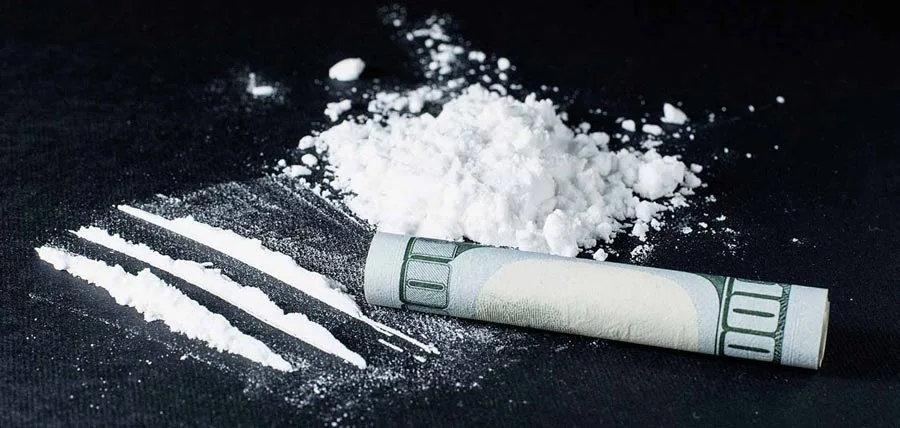
Heroin addiction treatment includes medical detoxification, rehabilitation, and relapse prevention. Because heroin creates intense physical dependence, professional detox at a partner provider is strongly recommended to manage withdrawal symptoms safely.
Treatment programs typically run 30 to 90 days and incorporate individual counseling, group therapy, 12-step programming, and medication-assisted treatment using medications such as Suboxone or naltrexone. Dual diagnosis care addresses any underlying mental health conditions contributing to opioid use.
Medically Reviewed By

Dr. Roland Segal is a distinguished psychiatrist and medical reviewer who holds the role of Medical Director and Psychiatrist.
Insurance Accepted
Accreditations & Licensing

All information shared with our team is protected under HIPAA. We will never share your personal information without your written consent.
Admissions
Accepting Admissions 24/7
regarding a medical or mental health condition.
Program Statistics
Find Help with Heroin Addiction at Catalina
Heroin addiction can affect nearly every area of a person’s life, including physical health, mental health, relationships, employment, and personal safety. Because heroin is an opioid, withdrawal symptoms can be intense, and some people may require medical monitoring before beginning addiction treatment.
Catalina Behavioral Health does not provide on-site opioid detox. If heroin withdrawal requires medical monitoring, inpatient medical detox, or another step before admission, our admissions team can help callers understand possible next steps before residential treatment, PHP, IOP, or outpatient care.
Once a person is medically stable and appropriate for admission, Catalina Behavioral Health provides heroin addiction treatment services in Tucson that may include residential treatment, PHP, IOP, outpatient care, dual diagnosis support, therapy, relapse prevention, and continuing recovery planning.
Keep reading to find answers regarding effective heroin addiction treatment and what it entails. You will find out more about the approach at Catalina Behavioral Health and how it helps former users achieve long-term recovery and prevent relapse.
If you or someone else is in immediate danger, call 911. If you need immediate support, call or text 988.
Get Accredited Treatment for Heroin at Catalina
What Does Heroin Addiction Treatment in Arizona Offer?
Heroin treatment typically includes detoxification, rehabilitation, and relapse prevention. Detoxification involves cleansing the body of heroin and other drugs using prescribed medications or a detox program.
Rehabilitation aims to help addicted individuals overcome their physical and psychological dependencies on heroin and relapse prevention to help avoid returning to drug use. Heroin addiction treatment is available in various settings, including inpatient and outpatient programs.
These different program settings (inpatient and outpatient) are referred to as levels of care. Depending on the severity of the substance abuse, the length, and the situation’s urgency, a user typically receives a recommendation for which level of care is most appropriate.
What are the Features of an Effective Heroin Treatment Program?
Heroin addiction is a severe and debilitating disorder. If left untreated, heroin addiction can lead to physical and psychological health problems, including death. Heroin treatment programs help addicted individuals overcome their addiction and live healthy lives.
Heroin treatment typically includes 12-step programs, group counseling, 12-hour detoxification periods, and ongoing support. Participants in heroin treatment receive guidance on how to live a sober life and avoid relapse. Treatment also includes education about the dangers of drug use and the benefits of rehabilitation.
The features of a heroin treatment program vary depending on the facility. However, most programs include group counseling, 12-step programming, detoxification procedures, medication management, continued support after treatment is complete, and relapse prevention strategies.
Depending on the specific facility, more evidence-based approaches may be used. Alternatively, other facilities prefer to stick closer to a more holistic approach.
If you suspect someone you know might need heroin addiction treatment, it’s essential to understand what withdrawal symptoms look like.
What Are the Most Common Signs of Heroin Withdrawal?

Heroin is a potent drug that causes an intense reaction in the mind and body. It affects the central nervous system and can lead to a feeling of euphoria, relaxation, and analgesia.
Over time, heroin use can lead to physical dependence and addiction. Once someone overdoses on heroin, withdrawal symptoms may begin. These symptoms can be mild or severe and last from several hours to several days.
The most common withdrawal symptoms include tremors, sweating, diarrhea, vomiting, increased heart rate, goosebumps, irritability, and cravings for heroin. In severe cases, seizures may occur.
One of the most detrimental side effects is the restless legs and lack of sleep accompanying withdrawal. Because of the lack of sleep, symptoms become worse, leading to more irritability and a higher risk of relapse because of the discomfort.
This has a significant impact on the mind, where treatment plays a huge role. It’s essential to be aware of the heroin withdrawal timeline to understand what you or someone you know might expect during detox.
An Example of the Heroin Withdrawal Timeline
Withdrawal from heroin can be uncomfortable and last a few days to a few weeks. The withdrawal timeline varies depending on the person, but typically there are four stages: cravings, acute withdrawal, stabilization, and post-acute withdrawal.
Cravings typically peak around day three and slowly decrease over the following days. Acute withdrawal can last anywhere from two to seven days and features intense sweats, chills, vomiting, diarrhea, and tremors. Symptoms of withdrawal will vary from person to person but may also include muscle pain, restlessness, insomnia, anxiety, and a decreased appetite.
After the acute withdrawal has passed, people will enter stabilization, a slight, gradual decrease in withdrawal symptoms. The restlessness and lack of sleep can last as long as 30 days plus, with all other symptoms subsiding after a maximum of about 10-14 days.
Post-acute withdrawal takes place months after entering recovery. Long after the withdrawal period, the sudden and temporary return of the side effects of detox is known as post-acute withdrawal.
These happen sparingly and only last around 15 to 30 minutes. Typically, post-acute withdrawal symptoms are outlined by intense cravings, sweating, increased heartbeat, and goosebumps.
After heroin treatment is over, aftercare becomes vitally crucial for combatting post-acute withdrawal symptoms and avoiding relapse.
Heroin Addiction Treatment Programs at Catalina
Heroin withdrawal can be physically and emotionally challenging, and some adults may need medical detox or hospital-based withdrawal support before beginning addiction treatment.
Catalina Behavioral Health does not provide on-site opioid detox or medical withdrawal management. If detox or another pre-admission medical step may be needed, our admissions team can help discuss possible next steps before treatment begins at Catalina.
After a client is medically stable and appropriate for admission, Catalina Behavioral Health offers treatment options that may include residential care, PHP, IOP, outpatient services, therapy, dual diagnosis treatment, relapse prevention, and aftercare planning.
The Role of MAT and Suboxone for Heroin Withdrawal
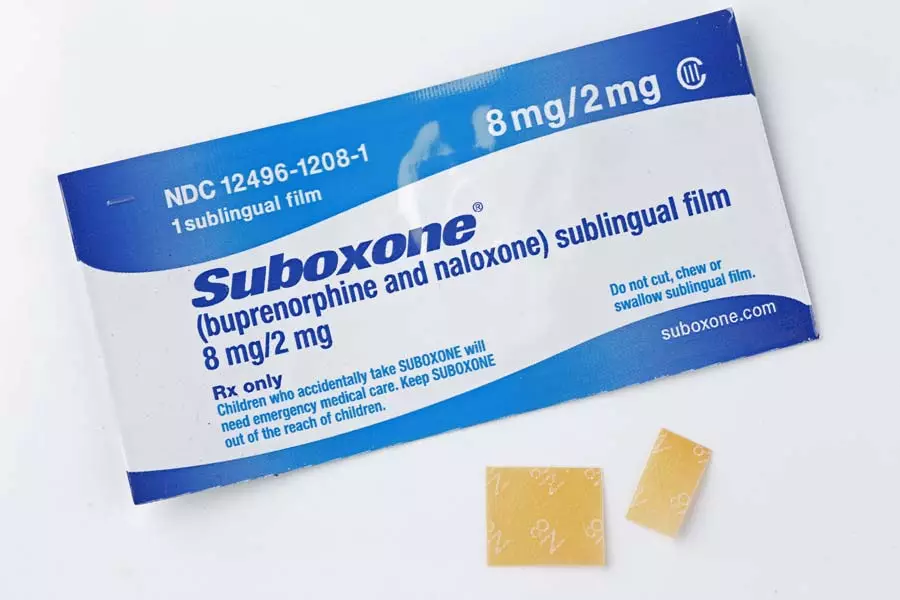
Suboxone is a medication that is used to treat heroin addiction. It works by helping to reduce the symptoms of heroin withdrawal. Suboxone is an effective treatment for heroin addiction and is more effective than other treatments available on the market.
It works by helping the person to feel less intense symptoms of withdrawal from opiates or opioids. This can reduce their risk of relapse.
Specific guidelines need to be followed when taking suboxone for heroin withdrawal. The first step is to talk to a doctor about whether or not suboxone is a good option for you. If you are approved, the doctor will give you a prescription for the medication. You will then need to take the suboxone as prescribed and follow the other guidelines set forth by your doctor.
Anyone suffering from opioid abuse disorder using heroin must refrain from heroin use for at least 24 hours before ingesting suboxone. Otherwise, they can experience precipitated withdrawals, the sudden and intense onset of detox symptoms.
Suboxone is considered a more efficient and much safer alternative to quitting heroin cold turkey.
What are the Risks of Quitting Heroin Cold Turkey?
Catalina Offers a Range of Heroin Rehab Services
When someone decides to quit heroin cold turkey, several risks can occur. The most common hazards include:
- developing withdrawal symptoms, which can be intense and last for several days;
- worsening addiction because the body is no longer getting the drugs it needs;
- becoming addicted to other substances as a way to cope with the withdrawal symptoms; and
- suffering from mental health issues due to trying to quit heroin cold turkey.
If you’re thinking about quitting heroin cold turkey, you must talk to a doctor or therapist about your options to weigh all the risks and decide what’s best for you.
The physical side effects of quitting heroin cold turkey could potentially complicate the situation, as high blood pressure, increased heart rate, and lack of sleep take their toll.
Is Medically Supervised Detox Advised for Heroin Dependence?
Medical supervision of detox can offer many benefits for those addicted to heroin. These benefits include:
- Reduced risk of overdose death.
- Increased safety and stability during detox.
- Improved chances of completing treatment.
- Eased symptoms and improved quality of life.
Our admissions team can assist you in finding a detox program that will suit your needs before you transfer to our rehab program for therapy.
Medications Often Used for Treating Heroin Addiction
Medical detox is a necessary step in treating heroin addiction; the medications used during medical detox to treat withdrawal and those to treat heroin addiction work differently. Withdrawal medications help the body remove the effects of heroin and other drugs from the system and treat discomfort. Addiction medications help patients to manage their symptoms of addiction.
Detoxification typically lasts 3-7 days and includes drinking fluids, eating small meals often, resting, and avoiding caffeine, alcohol, and tobacco. Medications used during medical detox include small doses of benzodiazepines, Suboxone, antidepressants, and muscle relaxers.
When clients treat heroin addiction, the most commonly prescribed medications are Suboxone and Naltrexone. Many users claim that medications like Suboxone don’t work as well as they used to. This is likely because of the potency of the drugs they’re ingesting compared to years past.
Most batches of heroin are either laced with fentanyl or comprised of the substance completely, with little to no heroin content.
Get Effective Help For Heroin Addiction
Treating the Underlying Causes of Heroin Addiction
The underlying causes of heroin addiction can be challenging to identify and treat, but with the help of a dual-diagnosis treatment center, addicts can get the help they need. Dual-diagnosis treatment centers are designed to provide comprehensive care for people struggling with a co-occurring mental health condition.
This type of treatment allows addicts to receive medical and psychological care in one place, which is often more effective than receiving different treatments. Dual diagnosis treatment also offers support groups and counseling, which can help users learn how to cope with their addiction and address the underlying issues that led them to use heroin in the first place.
Reach Out to Catalina for Evidence-based Heroin Treatment in Tucson
At Catalina Behavioral Health, we believe long-term recovery from opiates is possible with the right individual treatment plan and a strong team by your side. Our physicians and care specialists work closely with each client to determine the most efficient method for success.
To find out how we can help you achieve long-term recovery from opiates, contact a member of our Admissions team confidentially today!
FAQs About Heroin Addiction Treatment
What does heroin addiction treatment usually involve?
Heroin addiction treatment at Catalina may include residential treatment, therapy, medication-assisted treatment when appropriate, relapse-prevention planning, dual diagnosis care, and aftercare support. The right approach depends on withdrawal risk, substance use history, mental health needs, safety concerns, and clinical assessment.
Is quitting heroin cold turkey safe?
Quitting heroin without support can be very difficult and may increase the risk of relapse or medical complications. Withdrawal symptoms can be intense, and returning to use after reduced tolerance can increase overdose risk. A medical or clinical assessment is strongly recommended.
Can medication-assisted treatment help with heroin addiction?
Medication-assisted treatment may help some people with opioid use disorder by reducing withdrawal symptoms, cravings, or relapse risk when used as part of a broader treatment plan. Whether MAT is appropriate depends on medical history, current symptoms, goals, and provider assessment.
What happens after heroin detox?
After detox, many people need continued treatment to address cravings, triggers, mental health concerns, relapse risk, and recovery planning. Options may include residential treatment, PHP, IOP, therapy, MAT when appropriate, peer support, and aftercare planning.
Resources
- Centers for Disease Control and Prevention. (2024, May 15). Opioid overdose. https://www.cdc.gov/overdose-prevention/about/index.html
- National Institute on Drug Abuse. (2024, July). Heroin drug facts. National Institutes of Health. https://nida.nih.gov/publications/drugfacts/heroin
- Substance Abuse and Mental Health Services Administration. (2024, July 30). Medications for substance use disorders. https://www.samhsa.gov/substance-use/treatment/options
- U.S. Drug Enforcement Administration. (n.d.). Drugs of abuse: A DEA resource guide. https://www.dea.gov/resources/drugs-abuse