
Medication-assisted treatment (MAT) is an evidence-based approach to addiction recovery that combines FDA-approved medications with counseling and behavioral therapies to treat substance use disorders. It is most commonly used for opioid and alcohol addiction, helping to reduce cravings, manage withdrawal symptoms, and lower the risk of relapse and overdose.
Common MAT medications include buprenorphine (Suboxone), methadone, and naltrexone for opioid addiction, and Naltrexone or Acamprosate for alcohol use disorder. At Catalina Behavioral Health in Tucson, MAT is integrated into individualized treatment plans alongside therapy and dual diagnosis care, with most major insurance plans accepted.
What Is Medication Assisted Treatment?
You may not have heard the term “Medication-assisted treatment” before, but it is an evidence-based option used in treating certain substance use disorders. Medication assisted treatment along with behavioral therapy is used to help clients overcome drug dependence.
According to a recent major study, medication-assisted therapies (MAT) are beneficial in assisting substance abuse clients in achieving improved results, particularly for alcohol and opioid use.
Keep reading to find out about how Catalina Behavioral Health incorporates MAT therapies in our programs, and learn how medication treatment may be incorporated when clinically appropriate.
24 Hour Medical Detox Hotline
What Drugs Are Used In Medication Assisted Treatment?
Three FDA-approved drugs including buprenorphine, methadone, and naltrexone are used in Medication-assisted Treatment. In conjunction with counseling and psychological support.
Any client that wants treatment for their substance use disorder must be given all three alternatives, allowing physicians to collaborate with clients to choose the treatment that is most suited to their requirements.
FDA approval does not mean a medication is appropriate or risk-free for every person. These medications can cause side effects and require individualized prescribing and monitoring. The treatment plan varies from patient to patient and largely depends on different biological, social, and environmental factors.
What works for you might not work for someone else. The pros and cons of the treatment should be weighed and discussed with your physician before committing to any plan.
Medications that are used for opioid use disorders include:
- Methadone: reduces the high from opioid usage as well as the cravings.
- Naltrexone: reduces the sedative effects of opioids.
- Buprenorphine: used for suppressing a client’s craving for opioids.
What Are the Benefits Of Medication Assisted Treatments?
Opioid overdose remains a serious public-health risk. Current national data and trends are available from the National Institute on Drug Abuse.
Research supports medications for opioid use disorder as part of individualized care. The appropriate medication, setting, and duration depend on diagnosis, medical history, withdrawal risk, patient goals, and clinician assessment.
For some patients, medication combined with counseling and recovery support can form part of an individualized treatment plan.
For opioid use disorder, appropriately prescribed medication can reduce illicit opioid use and overdose risk and can improve treatment retention. Individual results vary.
Treatment goals may include reduced opioid use, improved stability, and continued engagement in care. Outcomes differ among patients and should not be guaranteed.
Medication treatment may support reduced illicit opioid use and engagement in ongoing care. Infectious-disease screening and prevention needs should be assessed separately by qualified clinicians.
Would Medication-Assisted Treatment Work For Me?

Whether medication treatment is appropriate depends on the substance involved, diagnosis, symptoms, medical history, treatment goals, and a qualified clinician’s assessment.
Medication and non-medication approaches should be discussed without assuming that one option is appropriate for every person.
For opioid use disorder, FDA-approved medications can reduce cravings and withdrawal symptoms and can lower overdose risk when prescribed and monitored appropriately.
Managing Withdrawal through MAT Approaches
Opioid use disorder can develop in different circumstances, including after exposure to prescribed or non-prescribed opioids.
Risk varies by medication, dose, duration, individual history, and other factors. Patients should take medication only as prescribed and discuss inadequate pain control or side effects with the prescriber.
People who use opioids regularly should not make abrupt medication changes without medical guidance because withdrawal and relapse risks require individualized assessment.
Opioids affect brain and nervous-system pathways. Medications used for opioid use disorder work in different ways to reduce cravings, withdrawal symptoms, or opioid effects, and each medication has its own benefits, risks, contraindications, and possible side effects.
Since the withdrawal symptoms are, more often than not, very severe in opioid use disorders, the goal of medication-assisted treatment is to support individualized recovery and reduce opioid-related harms; outcomes vary.
Medication Assisted Treatment
Myths and Questions About Medication Assisted Treatment
Abstinence Is Better Than MAT
For opioid use disorder, treatment without medication can leave some people at higher risk of relapse and overdose. A qualified clinician can explain medication and non-medication options based on the patient’s needs. Withdrawal symptoms and medical risk vary.
Some people experience persistent symptoms after acute withdrawal. Methadone or buprenorphine may be prescribed for opioid use disorder, but treatment choice and duration require clinical evaluation and monitoring.
Medication-Assisted Treatment Is Too Expensive
The cost of medication treatment varies by medication, provider, setting, insurance benefits, network status, and required services.
Benefits and out-of-pocket costs should be verified for the specific plan. Verification is an estimate and does not guarantee coverage or payment.
Medication-Assisted Treatment Is Harmful to Pregnant Women

Pregnant people with opioid use disorder should receive individualized care from qualified obstetric and addiction-treatment professionals. Methadone or buprenorphine may be recommended, but medication choice, dose, and monitoring depend on the patient’s circumstances.
Treatment decisions should consider maternal health, fetal health, withdrawal and relapse risks, other medications, and access to prenatal care. Medication should not be started, stopped, or changed without medical guidance.
Breastfeeding may be encouraged for some patients taking methadone or buprenorphine, but it is not appropriate in every circumstance. The patient’s obstetric, pediatric, and addiction-treatment clinicians should assess medication use, other substance exposure, infections, and infant health.
Newborns exposed to opioids during pregnancy may require monitoring for withdrawal. Patients should discuss benefits, risks, and feeding plans with their clinical team.
Medication-Assisted Treatments are a Short-Term Solution
The National Institute on Drug Abuse (NIDA) has found a significant amount of evidence that MAT is indeed an effective treatment for those with an OUD (Opioid Use Disorder).
For some people with opioid use disorder, ongoing methadone treatment is more effective than short-term withdrawal management alone. Treatment duration should be individualized.
Methadone or buprenorphine may be continued while benefits outweigh risks and the treatment remains clinically appropriate. Duration should be decided with the prescribing clinician.
Short-term therapy and weaning off work for some people, while others require longer time. Your doctor can assess the degree of your addiction and recommend a treatment period that is appropriate for you.
Does Medication Treatment Replace One Addiction With Another?
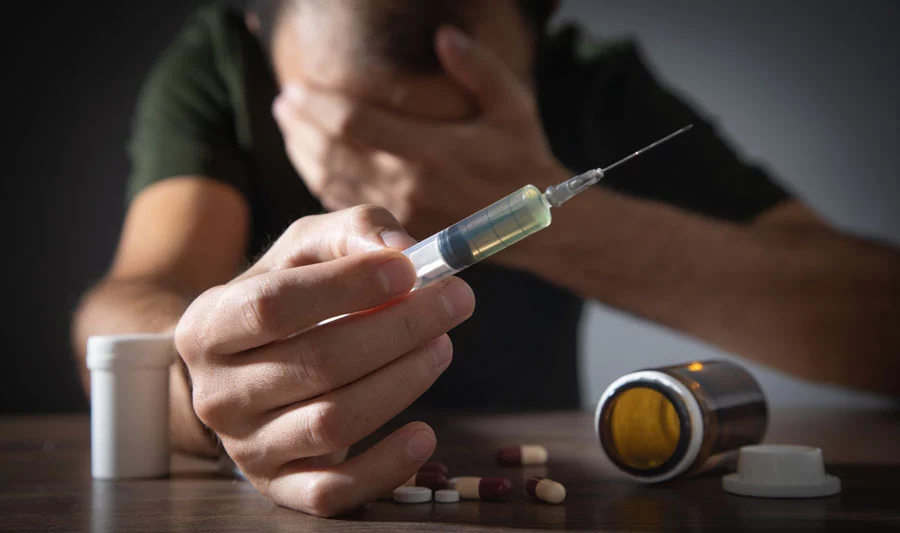
Some people worry that medication treatment replaces one addiction with another. Physical dependence on a prescribed medication is not the same as uncontrolled substance use, but medications still require appropriate prescribing and monitoring.
Methadone and some forms of buprenorphine may be taken regularly to reduce withdrawal symptoms and cravings and support stability.
When effective, medication can reduce cravings, withdrawal symptoms, and illicit opioid use. Response varies, and treatment should be reviewed over time.
Properly prescribed medication is intended to support functioning and participation in care, not cause intoxication. Misuse, interactions, dosing problems, and side effects remain possible and require clinical monitoring.
Can Medication Be Used for Mild or Moderate Opioid Use Disorder?
Treatment needs are not determined by severity wording alone. A clinician should assess diagnosis, symptoms, risks, functioning, patient goals, and available options.
Medication may be considered for opioid use disorder at different levels of severity, but it is not automatically appropriate for every patient. Shared decision-making is important.
Medication can reduce withdrawal symptoms for many patients, but it does not guarantee complete symptom relief. Medical assessment is needed to determine the safest approach.
How Medication Fits Into Recovery
Recovery can include prescribed medication when it supports the patient’s health, functioning, and treatment goals. Recovery is individualized and should not be defined by stigma about medication use.
Opioid use disorder can substantially affect health, relationships, work, and daily functioning.
When medication is effective, reduced withdrawal symptoms and cravings can help some patients participate more consistently in daily life and treatment.
Reducing or stopping illicit opioid use can support improved stability and functioning. Individual outcomes vary, and medication is one part of a broader treatment and recovery plan.
Medication-Assisted Treatment for Alcohol Use Disorders

Medication may be used as part of treatment for alcohol use disorder. Different medications have different indications, contraindications, and effects, and they should be selected and monitored by a qualified prescriber.
Acamprosate: may help some adults maintain abstinence after they have stopped drinking. It does not treat acute alcohol withdrawal and requires assessment for contraindications and appropriate dosing.
Disulfiram: Disulfiram may be prescribed for some people with alcohol use disorder who have stopped drinking. It should not be taken until at least 12 hours after the last alcohol use, and a qualified clinician should assess whether it is appropriate and explain relevant safety precautions.
Naltrexone: may reduce alcohol-related reward and heavy drinking for some patients. It is not appropriate for everyone and requires assessment for opioid use, liver-related risks, and other contraindications.
What are the Draw-Backs Of Medication Assisted Therapies?

Although MAT is helpful, many people are unable to benefit from it. One issue is that MAT medicines have been sluggish to become available in treatment programs. Only half of the private-sector treatment programs said their doctors used FDA-approved medications.
Limited insurance coverage and a scarcity of skilled medical staff are two major roadblocks to the use of MAT. A key aspect of the treatment gap is the shortage of approved buprenorphine prescribers for the treatment of OUD, both nationwide and in Arizona.
Rest assured that Catalina Behavioral Health is committed to fully supporting this crucial form of therapy and provides individualized services based on clinical assessment, program eligibility, and patient needs.
Start Healing Now
Find Long Term Recovery with MAT & Catalina Behavioral
SAMHSA describes methadone as an FDA-approved medication for opioid use disorder that can form part of a comprehensive treatment plan. See SAMHSA’s current methadone guidance.
Medication treatment is not appropriate for every person, but it can help some patients reduce cravings, withdrawal symptoms, illicit opioid use, and overdose risk while participating in broader treatment and recovery support.
If you are struggling with alcohol or opiates, and interested in finding out more regarding Catalina’s programs for treatment, please don’t hesitate to reach out for help. Our Admissions team can explain available services, screening, and next steps. Calling does not guarantee admission or a particular treatment recommendation.
FAQs About Medication Assisted Treatement
What is medication-assisted treatment?
Medication-assisted treatment, or MAT, combines FDA-approved medications with counseling, behavioral therapy, and recovery support for certain substance use disorders. It is most commonly associated with opioid use disorder, though medication options may also be used in alcohol treatment when clinically appropriate.
Which medications may be used in MAT?
MAT may involve medications such as buprenorphine, methadone, or naltrexone, depending on the diagnosis, symptoms, treatment goals, medical history, and provider assessment. Medication decisions should always be made by qualified medical professionals.
Is MAT replacing one addiction with another?
MAT is not simply replacing one addiction with another when it is prescribed and monitored appropriately. For some people, medication can reduce cravings, withdrawal symptoms, and relapse risk while they participate in therapy and recovery support. It is not right for everyone.
Does insurance cover medication-assisted treatment?
Insurance may cover MAT when it is included in the plan, medically necessary, and authorized when required. Coverage depends on the specific payer, medication, provider network, deductible, copay, coinsurance, and plan rules. Verification can help estimate benefits.