


Fentanyl withdrawal can be difficult and may require medical monitoring or stabilization before ongoing addiction treatment. The appropriate setting depends on individual symptoms, medical history, substance use, and clinical assessment.
Catalina Behavioral Health does not provide on-site opioid detox, medical withdrawal management, or emergency medical care. Admissions can discuss possible pre-admission steps and, once an adult is medically stable and appropriate for admission, available residential treatment, PHP, IOP, outpatient care, and dual diagnosis support in Tucson.
Medically Reviewed By

Dr. Roland Segal is a distinguished psychiatrist and medical reviewer who holds the role of Medical Director and Psychiatrist.
Insurance Accepted
Accreditations & Licensing

All information shared with our team is protected under HIPAA. We will never share your personal information without your written consent.
Admissions
Accepting Admissions 24/7
regarding a medical or mental health condition.
Program Statistics
Find Arizona Fentanyl Addiction Treatment Services at Catalina
Fentanyl detox and withdrawal can be physically and emotionally difficult, and some adults may need medical monitoring before beginning addiction treatment. Withdrawal symptoms may include intense cravings, anxiety, nausea, muscle pain, insomnia, sweating, stomach upset, and other concerns that vary by person.
Catalina Behavioral Health does not provide on-site opioid detox or emergency medical care. If fentanyl withdrawal requires medical detox, hospital-based support, or another pre-admission step, our admissions team can help callers discuss possible next steps before residential care, PHP, IOP, or outpatient treatment in Tucson.
Once a person has completed fentanyl detox and is ready for admission, Catalina Behavioral Health provides fentanyl addiction treatment options that may include residential treatment, PHP, IOP, outpatient care, dual diagnosis support, therapy, relapse prevention, and continuing recovery planning.
If you or someone else is in immediate danger, call 911. If you need immediate support, call or text 988.
What is the Nature of the Opioid Called Fentanyl?
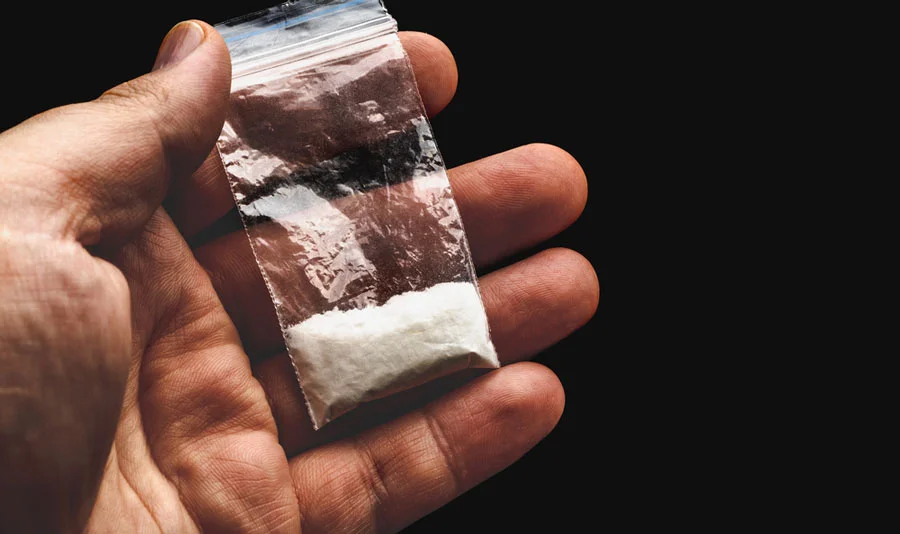
Fentanyl is a highly addictive and potent synthetic opioid that is used in medical settings as an analgesic to treat severe pain and chronic pain, often in the form of a transdermal patch or nasal spray.
Fentanyl binds to the body’s opioid receptors and is approximately 50 to 100 times stronger than morphine and has both fast-acting and long-lasting effects on the body.
Outside of medical settings, fentanyl is abused for its intense euphoria.
The Rising Rates of Fentanyl Addiction in Arizona and the US
Fentanyl is a synthetic opioid prescription painkiller that has been used for decades in medical settings. In recent years, however, its use has become increasingly widespread due to the proliferation of illegal fentanyl on the streets.
Unfortunately, this has led to a dramatic rise in fentanyl addiction and overdose deaths. If you or someone you know is struggling with an opioid use disorder or another substance abuse disorder, it’s important to understand the following symptoms so that you can get help as soon as possible.
Immediate Help For Fentanyl – Get Options Now!
What are the Signs of Fentanyl Addiction?
Fentanyl addiction has a number of tell-tale signs which can be divided into physical, psychological, and behavioral categories. Take note of the signs and symptoms of fentanyl withdrawal and addiction:
Physical Addiction Symptoms
- Changes in appetite or sleep patterns
- Dilated pupils
- Increased tolerance
- Chills
- Increased sensitivity to pain
- Nausea or vomiting
- Diarrhea
- Weight loss
- Constipation
- High blood pressure
- Slowed breathing
Psychological Addiction Symptoms
- Irritability
- Depression
- Paranoia
- Confusion
- Mood swings
- Impaired concentration
Many of the above-listed symptoms are also fentanyl withdrawal symptoms.
Behavioral Addiction Symptoms
- Doctor shopping for more prescription painkillers or seeking out illegal sources for more fentanyl/other opioids and other synthetic opioids (heroin/morphine/prescription medications)
- Engagement in risky behavior, such as driving under the influence
- Taking higher doses than prescribed (leading to increased tolerance and potentially severe opioid overdose)
- Neglecting responsibilities at work or home
- Isolating from friends and family members
- Engaging in criminal activity to obtain drugs
What Types of Services are There for Fentanyl Detox in Arizona?

When someone dealing with drug abuse decides to get help, medically assisted fentanyl detox programs can help them take the first step toward recovery.
Medical Support for Fentanyl Detox
Medical support for fentanyl withdrawal may include clinical monitoring, safety planning, and medication decisions made by qualified medical professionals in an appropriate setting. The right level of support depends on a person’s symptoms, fentanyl use history, medical needs, mental health concerns, and risk factors.
Catalina Behavioral Health does not provide on-site medically assisted detox. If withdrawal monitoring or medical stabilization may be needed before treatment, that step may need to happen before admission to Catalina.
The Benefits of A Medical Fentanyl Detox Facility
Medical detox or hospital-based withdrawal support may help some people manage opioid withdrawal symptoms and safety risks before beginning ongoing addiction treatment. Detox and addiction treatment are different services. Detox focuses on withdrawal management and medical stabilization, while ongoing treatment addresses substance use patterns, mental health needs, relapse prevention, coping skills, and recovery planning.
Once a client is medically stable and appropriate for admission, Catalina Behavioral Health provides fentanyl addiction treatment options in Tucson. One of the major benefits of fentanyl detoxification under medical supervision is that it can help reduce or even eliminate the extremely uncomfortable withdrawal symptoms that come along with being physically dependent on an opioid like heroin or fentanyl.
It can also help reduce cravings for the drug and other substances, all while allowing individuals to remain comfortable during their fentanyl detox process.
24 Hour Rehab Helpline – Reach Out Now!
What is a Typical Fentanyl Detox and Withdrawal Timeline?
The severity and duration of your fentanyl withdrawal symptoms depend on various factors, including how long the drug abuse has been going on, how much fentanyl you have been using, whether or not you are using other drugs at the same time, whether you were using the medications in pill prescription forms or intravenously, and more.
Generally speaking, however, most people will begin to experience opioid withdrawal symptoms within 12 hours of their last dose. These early symptoms usually include anxiety, intense cravings for the drug, insomnia, runny nose, sweating, and dilated pupils.
The intensity of these early severe withdrawal symptoms typically peaks between 24-48 hours after your last dose. This peak period is when many people report stronger symptoms. These include nausea, diarrhea, vomiting, abdominal cramps/pain, muscle aches/pains (especially in the back), tremors/twitching (especially in the hands), hot/cold flashes as well as increased heart rate and blood pressure.
Once this peak period passes (usually after 48-72 hours), most people report feeling more stable but still uncomfortable with ongoing cravings for fentanyl as well as fatigue and depression. In some cases, these feelings after fentanyl detox can persist for a few weeks or even months after quitting fentanyl use and other opioids; this is known as post-acute withdrawal syndrome (PAWS).
The Types of Post-Detox Fentanyl Addiction Treatment in Arizona

Detoxing from fentanyl can be a challenging process. But once detox – followed by therapy and rehab – is complete, it’s important to have a strong aftercare plan in place that addresses the risk of relapse and overdose. Aftercare plans provide those in recovery with the necessary tools to maintain sobriety and prevent relapse on opioids.
Keep reading to learn more about the addiction treatment choices available to those who have completed a fentanyl detox program.
Inpatient Rehab Programs
Inpatient residential rehab programs are one of the main components of an effective aftercare plan. These programs involve living in a residential facility where individuals can receive 24/7 support and guidance on their journey toward sobriety.
During an inpatient rehab program, those recovering from drug addiction will receive individual therapy sessions, group therapy, 12-step meetings, medications as needed, and other therapeutic activities that can help them understand the underlying causes of their addiction so they can avoid the risk of relapse in the future.
Outpatient Programs
Outpatient programs are another form of aftercare treatment for those recovering from fentanyl addiction. Outpatient programs, such as a PHP (Partial Hospitalization Program) or IOP (Intensive Outpatient Program), are generally less intensive than inpatient rehab programs, but still provide individuals with the necessary tools to remain sober and live healthy lifestyles.
Outpatient treatment facilities typically provide counseling sessions one-on-one with a therapist or counselor and participation in support groups such as 12-step meetings or SMART Recovery meetings.
Medication Assisted Therapy (MAT)
Medication-assisted treatment (MAT) is another treatment option that curbs withdrawal symptoms for those recovering from opioid addiction, including fentanyl addiction.
MAT treatment involves taking medications such as buprenorphine or naltrexone to provide additional support during recovery while also helping reduce the severity of cravings and withdrawal symptoms.
MAT is often used as part of an overall relapse prevention plan for individuals who need additional support when transitioning from opioid detox back into their everyday lives.
Safe and Effective Fentanyl Treatment in Tucson

If fentanyl use is affecting your health, safety, relationships, work, or daily life, Catalina Behavioral Health can help you understand treatment options in Tucson.
Catalina Behavioral Health provides a structured treatment environment for adults who are medically stable and appropriate for admission. Treatment may include therapy, psychiatric support when clinically appropriate, relapse prevention planning, life skills, family support, and aftercare planning.
Catalina Behavioral Health does not provide on-site fentanyl detox or medical withdrawal management. If fentanyl withdrawal requires medical monitoring before admission, our admissions team can help discuss possible next steps before treatment begins.
Safe and Secure Environment
Catalina Behavioral Health provides a structured and supportive environment for adults who are medically stable and appropriate for admission. Staff are available on-site to support clients participating in treatment programming, but Catalina does not provide medical detox or withdrawal management. If a pre-admission medical step is needed, admissions can help callers discuss appropriate next steps before treatment begins.
We also have security cameras around the facility for added safety, and to ensure all our clients feel safe and comfortable addressing issues during their time at Catalina.
Personalized Support
We understand that every individual’s recovery journey is unique, so we strive to customize our care plans to meet each person’s specific needs.
Our team includes medical professionals, psychiatrists, psychologists, therapists, nurses, and other care providers who will work together to create a plan tailored specifically for you.
Accredited Treatment Programs for Fentanyl in Tucson
Get Support for Fentanyl Detox and Recovery at Catalina Today
At our facility, we provide a wide range of clinical care services designed to meet your specific needs.
These include medication management services, psychiatric assessments, medical monitoring, therapeutic interventions such as individual counseling sessions, group therapy services, life skills training, nutrition guidance, holistic healing activities like yoga or meditation classes, recreational activities, family counseling sessions, aftercare planning, and more.
If you need help, contact Catalina Behavioral Health today. We will explore your post-detox treatment options. We will provide you with quality care and comfort during your treatment.
All calls to our facility are confidential, so please reach out now for support.
FAQs About Fentanyl Detox and Rehab
Why is fentanyl detox often medically supervised?
Fentanyl withdrawal can be physically and emotionally difficult, and relapse after a period of abstinence can increase overdose risk. Medical supervision can help monitor symptoms, safety needs, hydration, sleep, mental health concerns, and next-step treatment planning.
How long does fentanyl withdrawal last?
Fentanyl withdrawal timelines vary by person. Factors include frequency of use, dose, duration of use, other substances used, medical history, and prior withdrawal experiences. A clinical team can help assess withdrawal risk and determine whether detox support is appropriate.
Is detox enough to treat fentanyl addiction?
Detox can help address withdrawal, but it is usually not enough by itself. Many people benefit from ongoing treatment such as residential care, PHP, IOP, therapy, medication-assisted treatment when appropriate, relapse-prevention planning, and aftercare support.
What should I do if someone may be overdosing on fentanyl?
If someone may be overdosing, call 911 immediately. Signs can include slowed or stopped breathing, blue or gray lips, unconsciousness, or inability to wake up. If naloxone is available, follow the product instructions while waiting for emergency help.
Resources
- Boté, S. H., McDaniel, J. T., & Waldrop, J. (2019). U.S. opioid epidemic: Impact on public health and review of prescription drug monitoring programs. Cureus, 11(9), e5824. https://pmc.ncbi.nlm.nih.gov/articles/PMC6788897/
- Drug Enforcement Administration. (n.d.). Facts about fentanyl. U.S. Department of Justice. https://www.dea.gov/resources/facts-about-fentanyl
- Luba, R., Jones, J. D., Comer, S. D., & Huhn, A. S. (2023). Fentanyl withdrawal: Understanding symptom severity and exploring the role of body mass index on withdrawal symptoms and clearance. Experimental and Clinical Psychopharmacology, 31(4), 772–778. https://pmc.ncbi.nlm.nih.gov/articles/PMC9992259/
- Substance Abuse and Mental Health Services Administration. (n.d.). Treatment options for substance use disorders. https://www.samhsa.gov/substance-use/treatment/options