
Accredited Arizona Substance Abuse Treatment Services
There is an array of terms people use to describe struggling with alcohol or substance use, including misuse, abuse, and addiction.
There are also various levels of care for substance abuse treatment, from the more commonly known categories, such as inpatient and outpatient rehab, to lesser-known offerings like Intensive Outpatient and Partial Hospitalization Programs.
In this article, we’ll examine all of these differences and describe what makes up effective addiction treatment in Arizona, along with detailing many of the terms that accompany treatment, and describing the Joint Commission-accredited programs at Catalina Behavioral Health.
Find JCAHO-accredited Arizona Addiction Treatment Options
Drug Use vs Abuse vs Addiction: Differences and Commonalities
Different medical and professional criteria exist to discern between abuse and addiction. The easiest one to label is likely drug use, as this is the first stage during the journey of anyone who ultimately struggles with addiction.
Drug Use
Drug use outlines the simple ingestion of drugs, whatever they may be, and is the initial phase before the progression into abuse or addiction. Typically, drug use begins as low or rare, then moves into mild or moderate, and finally develops into severe.
The additional labels highlight how often the individual is engaging in drug use. Ultimately, drug use increases and users become closer to dependence, abuse, and addiction.
Drug Abuse
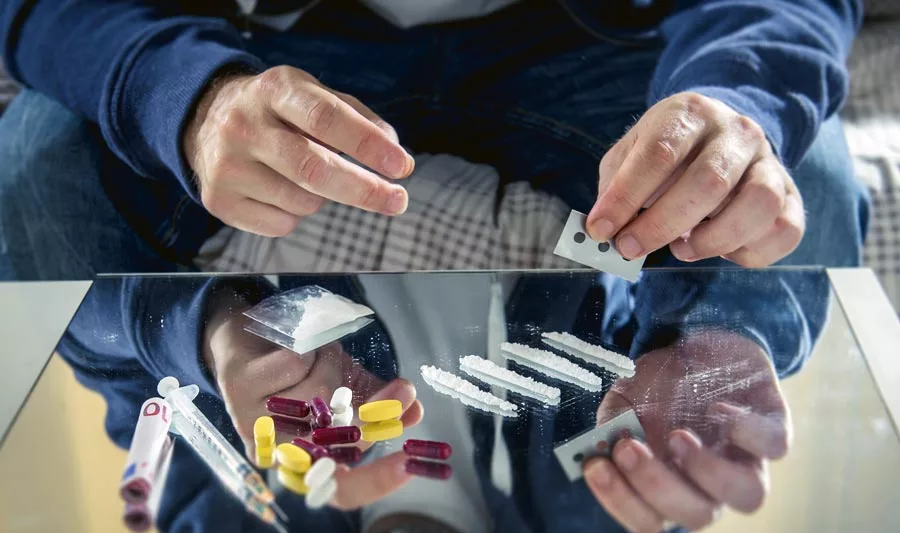
Both phrases, “substance abuse” and “addiction,” have a lot in common, but there are a few significant differences. Addiction is a severe problem, but substance misuse or drug abuse should also be considered.
Substance abuse includes both excessive use of a substance and the use of a substance in a way that the manufacturer does not intend.
There are several signs of substance abuse, such as excessive use of prescribed medication, if you take it more frequently or in more significant amounts than your doctor recommends.
Someone entering the early stages of substance abuse displays the following signs:
- Frequently skipping work, school, or social gatherings.
- Failing to meet one’s responsibilities
- Dissatisfaction with life’s circumstances
- Denying the seriousness of the drug abuse issue
- Keeping oneself isolated from loved ones
- Beginning to use drugs alone outside of social circles
- The feeling that one needs drugs to have a good time
Addiction
Addiction, as opposed to substance abuse, is a chronic condition that is extremely difficult to manage or beat.
Addiction can develop due to brain chemistry changes brought on by substance abuse, whether it’s alcohol or prescription medication. Changes like this force an addict to continue taking their drug of choice, regardless of the consequences.
- Tolerance to a medication develops
- When you try to quit using, you may experience withdrawal symptoms.
- Inability to quit
- Repetition of thoughts regarding the substance and how it affects you
- Refusal to carry out everyday duties
- Relationship issues with family, friends, and coworkers
- Decreased hunger as a result of sleep deprivation
- The look of bloodshot eyes, weight increase or loss, tremors, and shaking when you don’t have drugs
- Personal hygiene is lacking or nonexistent.
- Ingesting both drugs and alcohol or multiple types of drugs
- Making a drug purchase using stolen or borrowed money
- Excessive use of prescription medications obtained through fraudulent means
- Anxiety, irritability, and a shift in attitude
Many people view drug addiction treatment negatively or believe things that aren’t entirely accurate.
Licensed Addiction Treatment
3 Common Myths About Drug Addiction Treatment
The misconceptions surrounding drug abuse and treatment focus more on the addiction or individuals battling substance abuse.
In the following list, you’ll hear the most commonly expressed misconceptions regarding drug abuse and treatment:
Addiction Is NOT a Choice
Inexplicably, many people have this erroneous notion about addiction. As in the case of cancer, addiction is not a choice. Addicts deliberately put drugs into their systems at first, but a powerful chemical reaction follows this in the brain. It makes you crave it. Users crave the drug, alcohol, or behavior over time because our brains are wired to do so.
It’s not a moral failure; alterations in the brain’s structure cause it. Addiction is more likely in some people for various reasons, including genetics and upbringing. The addict is not someone with unsatisfactory morals or predisposed to doing wrong or evil deeds.
All Addicts Don’t Act and Look the Same
It seems like this should be general information at this point. As a result, people may believe that addicts are homeless or dirty. In reality, anyone may become addicted, and it’s sometimes difficult to recognize.
Addiction defies all preconceptions – it is a disease that affects everyone, from the soccer mom next door to the stockbroker to the Hollywood star, and no one is immune. It’s a disease that affects everyone regardless of socioeconomic status.
Taking Pills Is Less Serious than Illegal Drugs

This couldn’t be further from the truth. Pills may be worse because statistics show that younger people begin abusing pills faster and earlier than drugs like heroin, meth, or cocaine. Pills are often the gateway drug to more potent opioids.
The Reality of Drug Abuse and Addiction: It Does Not Discriminate
The truth about preventing drug abuse and addiction is that it can happen to anybody. You don’t have to be a specific color, religion, sex, sexual orientation, or from a certain tax bracket or neighborhood to experience the hell of drug use.
Any drug can overtake anyone, anywhere, at any time. In addition, you can’t just “use your willpower” to quit drugs. This is why counseling is so critical – the disease of addiction goes much deeper than just chasing a high.
Most people aren’t even aware of why they initially begin using drugs, which is how substance use disorders develop in the first place. Nobody says, “I can’t wait until my drug use turns into an addiction.”
How Does a Substance Use Disorder Develop?
A substance use disorder develops over time, usually unbeknownst to the user. This evolution might occur over several months or, in some cases, could take several years.
Understanding the Root Causes of Drug Abuse and Addiction
Users initially begin taking drugs to catch a buzz or bond with people in social situations. Most people don’t know it, but the drug remedies something that pains or burdens them beneath the surface.
For many people, it’s social anxiety. In other people, it’s a bipolar issue that hasn’t fully manifested. Different situations may include someone using drugs to curb anger problems.
The Brain Chemistry of Addiction
Regardless of the situation, the drugs act as a band-aid or pick-me-up. What ends up happening because of the dopamine releases and feel-good nature of the drug use is that people end up feeling worse than they did before beginning to overuse drugs.
Now they’re consciously using more and more to feel better – it’s not subconscious anymore. Ultimately, it becomes a constant cycle of abuse to feel normal and get out of bed daily.
What are the Most Common Signs of Substance Abuse and Addiction?
Initially, certain users do an outstanding job of masking their drug abuse. Even people close to them may not be aware of an issue or realize the person is using drugs at all.
Eventually, the drugs take their toll, and everyone shows signs of drug abuse. It may be a financial toll; it could be a social toll or a physical or mental toll. Listed below are the most common signs:
- Poor performance at work
- Failing relationships with loved ones and friends
- Deteriorating physical appearance
- Disinterest in hobbies and favorite activities
- Sudden financial issues
- Becoming suddenly paranoid or defensive
These are just some of the signs. If you know someone well enough, you should know when something is “off.” This is when it’s time to learn how to identify a loved one’s drug use.
Without the proper support and treatment, even after a successful detox, post acute withdrawal symptoms can make life difficult, and increase the possibility of relapse to old behaviors.
How to Identify a Loved One’s Drug Use
When you’re close to someone, you know their mannerisms and habits. You don’t have to wait for them to get a DUI or to become a first-time drug offender, as you already know their behaviors. When someone you love begins acting outside of these characteristics, it’s a massive indicator of the presence of a drug issue.
Understanding how to speak to them regarding the topic without offending or angering them is essential to get them the proper help.
During our rehab family program, you will also get a chance to work through relationship issues, address the impacts of drug use and drinking, and get help to repair and revitalize your whole family.
What are Considered Effective Treatment Methods for Drug Abuse and Addiction?

Depending on a number of factors, dozens of methods exist for effectively treating drug abuse and addiction. At Catalina, our combination of approaches is based on each client’s history as well as goals in seeking treatment.
Then, a custom and personalized care plan is crafted by our clinical team for every client.
Some of the most common approaches we offer include:
- Individual therapy
- Cognitive-behavioral therapy
- Dual diagnosis treatment
- Holistic treatment
- Group therapy
These are the specific treatment forms, separate from levels of care. Along with these levels of care, each client at our facility for drug and/or alcohol care is also provided with a unique substance abuse treatment plan based on their specific situation.
What Levels of Care Are Offered for Substance Abuse Treatment?
Levels of care for drug abuse and dependence are the setting in which the above treatment methods occur, and the appropriate level of care is determined through a complete evaluation and assessment for each client. These include:
- Inpatient or residential programs
- Medically assisted detox
- Intensive outpatient programs (IOPs)
- Partial hospitalization programs (PHPs)
All of these are included in a quality facility that provides drug addiction treatment in Arizona.
Start Healing Now
Why Choose Addiction Treatment In Arizona at Catalina?
Drug addiction treatment in Arizona isn’t just for residents of the state. Every year, many people travel to the area for drug addiction treatment.
One of the primary reasons is the natural beauty of Arizona. With the beautiful red rocks and desert landscape, the fantastic sunsets, Arizona has a little bit of everything.
And at Catalina, our upscale, welcoming setting is home to passionate clinicians, and our clients are supported by evidence-based practices that address the underlying cause of addictive behaviors, not symptoms alone.
Start Building a Foundation for Getting Clean and Sober Today
At Catalina Behavioral Health, we help clients build sober support systems for long-term recovery. Your sober support system can include your network of counselors, your family, friends, and anyone else that you believe is vital during your recovery.
We send you home with the tools it takes to remain successful, helping you to apply the knowledge you learned in treatment.
For more information on how we can help you or your loved one enter recovery, contact a member of our Admissions team confidentially today!