


Get Answers and Support on Kratom Withdrawal Symptoms
If you’re struggling and considering quitting substances, you may ask yourself :What is the Kratom withdrawal timeline?
Those who use kratom often start innocently enough. It’s classified as a dietary supplement and is widely available in places such as gas stations and smoke shops.
Many people searching for the kratom withdrawal timeline are trying to understand what to expect before beginning treatment. Catalina Behavioral Health does not provide on-site medical detox. If withdrawal support is needed before treatment begins, our admissions team can help discuss appropriate next steps before residential treatment, PHP, IOP, or outpatient care.
Catalina Behavioral Health provides evidence-based treatment for substance use disorders, co-occurring mental health conditions, and dual diagnosis once a person is ready to begin treatment.
If you or someone else is in immediate danger, call 911.If you need immediate support, call or text 988.
We invite you to read more to learn how – and when – kratom withdrawal occurs and why it can be just as dangerous as an opioid addiction.
Get Effective Recovery Options at Catalina
How Long Does Kratom Withdrawal Last?
The first step of ending kratom addiction is shedding the substance from your body. But for how long will you experience the acute withdrawal symptoms of kratom? Predicting the length of the time can be a little tricky.
The Kratom Withdrawal Timeline Varies
Several factors may influence how long you will feel poorly after ending kratom use. Here are a few things that determine how long the kratom withdrawal process might last:
Kratom Dosage and Usage Habits
Those who use higher doses of kratom or who use more usually have higher kratom dependence. Higher doses and using it often can point to more severe kratom withdrawal symptoms, perhaps for a longer time.
Those who use low doses and at lesser frequencies may have a bit of an easier time quitting kratom. Those who mix substances, such as kratom and alcohol, or kratom and benzodiazepines, will typically endure a more difficult and prolonged withdrawal period.
Metabolism Variances Impact Kratom Detox
Some people have a naturally faster metabolism and will process and eliminate kratom faster than others. Factors determining metabolic rates include age, weight, other substances in the system, or illnesses.
Hydration and Nutrition Habits
Kratom users who don’t look after their nutrition or drink enough water may inadvertently slow down their body’s ability to recover.
Other Mental Health Concerns
Those who experience other mental health concerns may experience heightened anxiety or intense psychological symptoms of kratom withdrawal. When these are present, it can prolong the kratom withdrawal timeline and make things a little more complicated.
An Approximate Timeline for Kratom Withdrawal Symptoms to Last
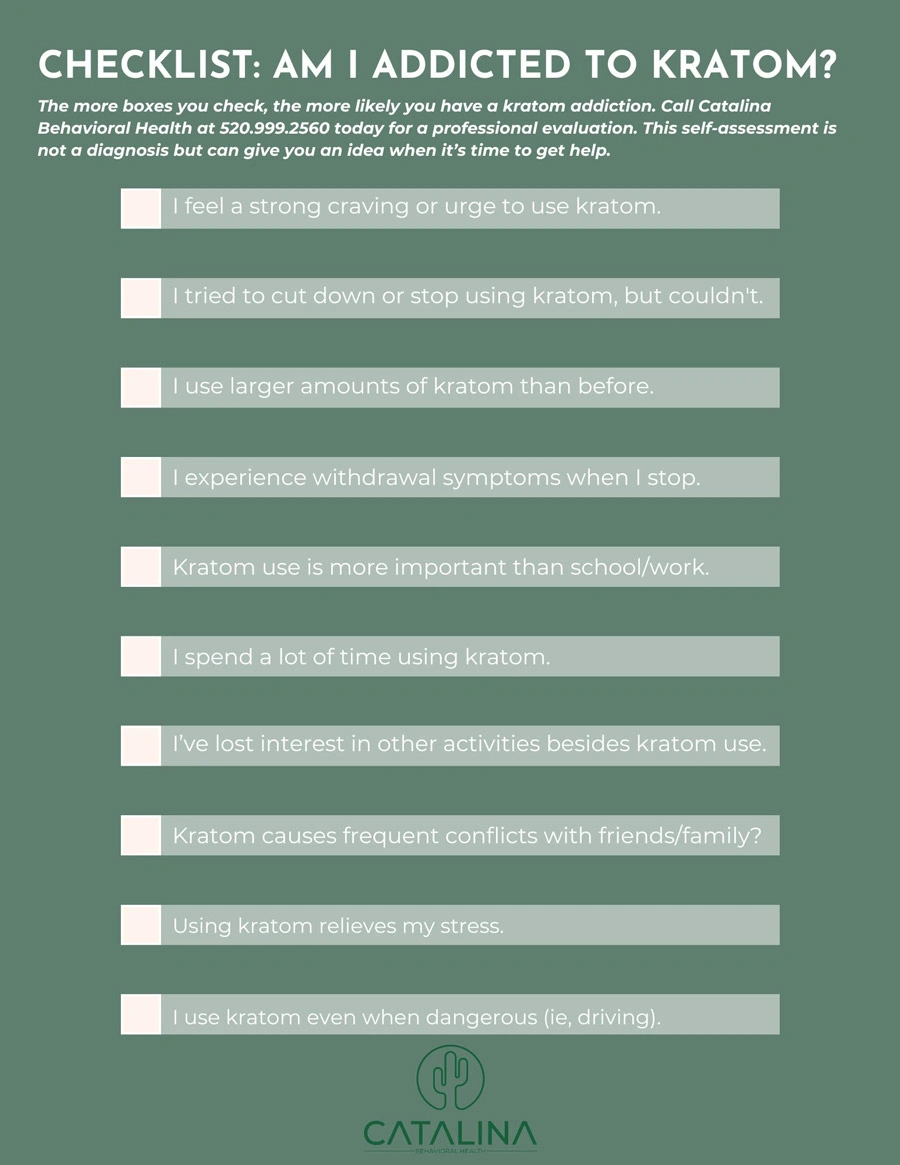
Let’s get back to the original query: How long does kratom withdrawal last?
Considering the possible variables we’ve discussed, here’s a general look at how long the opioid-like effects can last in kratom-dependent users:
6 to 12 Hours After the Last Dose
The first withdrawal symptoms usually appear between 6 and 12 hours after last abusing kratom or similar addictive substances. These symptoms continue for a day or more.
Here are the early physical and psychological symptoms of kratom withdrawal:
- Anxiety
- Runny nose
- Loss of appetite
- Restlessness
- Mood swings
- Kratom cravings begin
This phase can last for a day or more.
1 to 3 Days After Using Kratom (Withdrawal Symptoms Peak)
Kratom withdrawal is similar to opioid withdrawal symptoms. During the first several days, you might experience flu-like symptoms, including:
- Muscle aches
- Runny nose may continue
- Nausea or abdominal pain
- Vomiting
- Diarrhea
- Sleep disturbances
- Cravings for kratom continue
- Mood swings
- Heightened anxiety
- Psychotic symptoms (in rare circumstances!)
These withdrawal symptoms will start to diminish around day 4 after the last use.
4 to 7 Days (Significant Reduction in Kratom Withdrawal Symptoms)
In a week or less, the most severe withdrawal symptoms will decrease significantly. The physical symptoms, such as nausea or muscle aches, will lessen. You have greater medical stability and will start to feel much better, at least physically.
However, the mental symptoms associated with kratom may persist. Remember that substance use disorder encompasses kratom abuse and is listed as a mental health diagnosis in the Diagnostic and Statistical Manual (DSM).
With the help of treatment providers and receiving counseling and behavioral therapies, you will start to recover your mental health in the coming days.
7 to 14 Days (Start Having Kratom Addiction Treated by a Professional)
You might experience lingering symptoms, but things are much improved after about a week.
After the first few days of kratom detox treatment, you will be ready to start counseling. Catalina therapists customize programs to help clients as soon as the kratom withdrawal symptoms allow them to participate, sometimes sooner than 7 days.
With the therapist’s help, you will discover why your kratom addiction started and use evidence-based therapies to address it. Our team often recommends clients try Motivational Interviewing (MI), Cognitive Behavioral Therapy (CBT), or other science-backed treatments while transitioning into the next phase of treatment.
Why Many People Start Their Recovery Journey at a Kratom Detox Facility

It’s extremely hard to quit kratom, and going cold turkey is not the answer. Trying kratom at home can cause a host of psychological and mental health issues, including:
- Dehydration and nutrient deficiencies
- Increased risk of relapse
- Seizures (uncommon)
- Rarely, organ damage, including heart, liver, or kidney injury
Kratom withdrawal can be difficult, and some people may require medical support before beginning addiction treatment. Because withdrawal experiences vary, it is important to seek appropriate medical guidance rather than trying to manage severe symptoms alone.
If you need withdrawal support, our admissions team can help discuss appropriate next steps before transitioning into residential treatment, PHP, IOP, or outpatient care.
Get Licensed Drug Addiction Treatment at Catalina
Carla Learned About the Dangers of Kratom Withdrawal
‘Carla,’ a successful accountant, started to use kratom after hearing it could help ease the pain of her frequent headaches, which she had dealt with for most of her adult life. She first saw it on a shiny rack at a gas station, where she’d popped in to buy a packet of headache powder. Being labeled as, “all natural,” she thought she had made a healthy choice.
The kratom did a great job helping Carla manage her headaches. But a few weeks after using it, she found she needed to use more of it to get the same pain relief. Over time, she began taking it more frequently, as well, with the headaches returning rapidly after the last dose.
During her annual physical, Carla mentioned the kratom use to her family doctor. The physician mentioned her concern to Carla and advised her to stop using it and suggested she see a neurologist about the headaches.
The neurology reports revealed no neurological causes for the headaches. Still, Carla tried to stop the kratom use. But stopping made her vomit so much that she became dehydrated to the point of a stay in the local hospital.
Carla’s Treatment Program for Kratom Use
Carla came to Catalina ready to put the nightmare of pain and addiction behind her. Our clinical staff realized that the clear report from the neurologist suggested a mental health cause of the headaches.
We soon discovered that Carla had repeatedly witnessed domestic violence throughout her childhood; traumatic stress had caused severe tension headaches. She had never considered a connection between her childhood trauma and the headaches and had never mentioned it to a doctor. Nor had they asked.
Once we made this connection, Carla received therapies to help lessen the impact of the past trauma. We also helped her learn stress management techniques to cope healthily in the future. Carla has embraced a balanced, healthier lifestyle and reports that her headaches are now uncommon.
What Is Kratom?
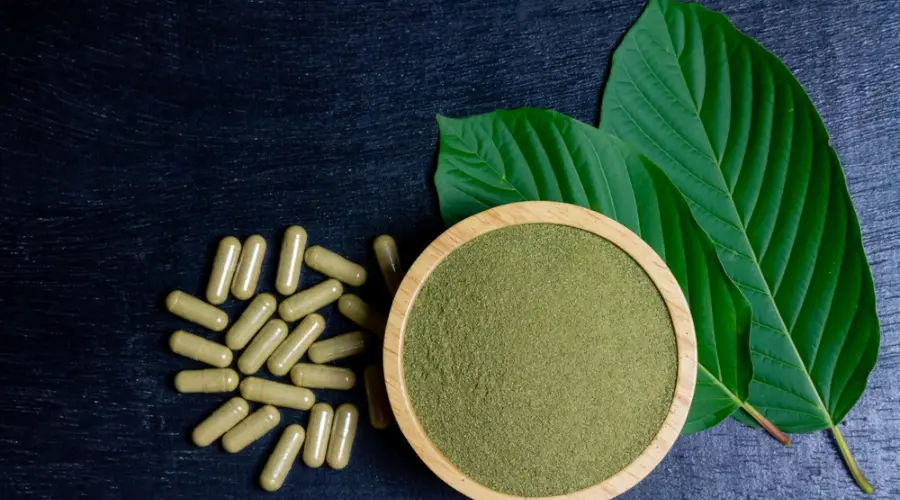
Kratom is a plant native to Southeast Asia, specifically from Thailand, Indonesia, and Malaysia. There, healers have relied on these leaves for centuries for both their stimulant and sedative effects.
Kratom use produces opioid-like effects because it changes the brain chemistry in the same way. It offers the chronic pain relief many seek by binding to the opioid receptors in the brain.
Kratom produces stimulant-like effects in small doses, increasing energy and alertness. But with larger doses, kratom has opioid-like sedative effects, making users sleepy.
Many turn to substance abuse, including kratom, to self-medicate. After an initial use, they start relying on it for its pain-relieving effects, for easing depression, or to manage opioid withdrawal. However, it also carries the risk of Kratom addiction and withdrawal symptoms itself.
The Drug Enforcement Administration Calls Kratom a “Drug of Concern.”
The DEA concedes that kratom is not controlled under the Controlled Substances Act. They also note that the Food and Drug Administration, which approves and regulates medications for use in the United States, has not approved kratom use for any known medical use.
FDA leadership has now listed kratom as a “Drug and Chemical of Concern.”
Healing Kratom Addiction at Catalina Behavioral Health

The staff at Catalina Behavioral Health has helped numerous people manage the kratom withdrawal process and move on to successful healing.
How does our treatment approach support recovery?
We customize our Kratom to suit individual needs. From your first day in our program, individualized care is our main goal. We consult frequently and stay on top of every person’s progress.
Here are some of the ways we can help you recover from kratom or opioid addiction:
Verifying Insurance Coverage
Our admissions team will work hard on your behalf. They will contact your insurer to get any pre-authorizations for care. You’ll have peace of mind knowing that the costs of substance abuse treatment will be minimized.
We work with:
- Individual and group health insurance plans (availability, network status, and coverage vary by plan)
- Some forms of AHCCCS, Arizona Medicaid as well as
- AIHP, the American Indian Health Program.
Would you like our assistance with managing that insurance process? Call us today to verify your insurance coverage.
Full Continuum of Care
Catalina Behavioral Health offers multiple levels of care for adults who are ready to begin treatment for kratom use and related concerns. Depending on clinical needs, treatment may include residential care, partial hospitalization, intensive outpatient programming, or outpatient services.
For clients who need withdrawal support before admission, our admissions team can help discuss next steps before treatment begins at Catalina.
In treatment, clients can work on coping skills, emotional resilience, relapse prevention, and co-occurring mental health concerns that may contribute to substance use patterns.
Many Forms of Insurance Accepted for Treatment
Reach Out to Catalina Behavioral Health to Stop Kratom Use
We are here for you whenever you have completed the kratom withdrawal process. You can do this! You will start feeling better within a week, according to the kratom withdrawal timeline. In fact, you can achieve recovery in a short time.
The work you’ll put in will be challenging at times, but the renewed sense of self-esteem and sobriety will be worth it.
We can often accommodate same-day admissions. Call us right away.
FAQs About the Kratom Withdrawal Timeline
What is the typical kratom withdrawal timeline?
The kratom withdrawal timeline varies from person to person. Factors such as the amount used, frequency of use, overall health, and use of other substances can all affect how long symptoms last.
When do kratom withdrawal symptoms usually begin?
Some people begin experiencing withdrawal symptoms within several hours after their last use, while others may notice symptoms later. The timing and severity can differ from one individual to another.
How long do kratom withdrawal symptoms last?
For many people, symptoms begin to improve over several days, although some physical or psychological symptoms may last longer. Recovery timelines are not the same for everyone.
Can I go through kratom withdrawal at home?
Withdrawal experiences vary. Some people may need medical evaluation or support before beginning addiction treatment, particularly if symptoms are severe or other health conditions are present. Catalina Behavioral Health does not provide on-site medical detox but can help discuss appropriate next steps before treatment.
What treatment does Catalina Behavioral Health provide after withdrawal?
Once withdrawal-related needs have been addressed, Catalina Behavioral Health offers residential treatment, partial hospitalization (PHP), intensive outpatient (IOP), outpatient care, dual diagnosis treatment, and evidence-based therapies to support long-term recovery.
Resources
(Based only on the outside authorities referenced in the article.)
- U.S. Food and Drug Administration. (2022). FDA and Kratom. https://www.fda.gov/news-events/public-health-focus/fda-and-kratom
- National Institute on Drug Abuse. (2020). Kratom DrugFacts. https://nida.nih.gov/research-topics/kratom
- Centers for Disease Control and Prevention. (2019). Notes from the Field: Kratom (Mitragyna speciosa) Exposures Reported to Poison Centers — United States, 2011–2017. Morbidity and Mortality Weekly Report, 68(14), 326–327.