
The Nature of Muscle Relaxer Addiction and Treatment Options
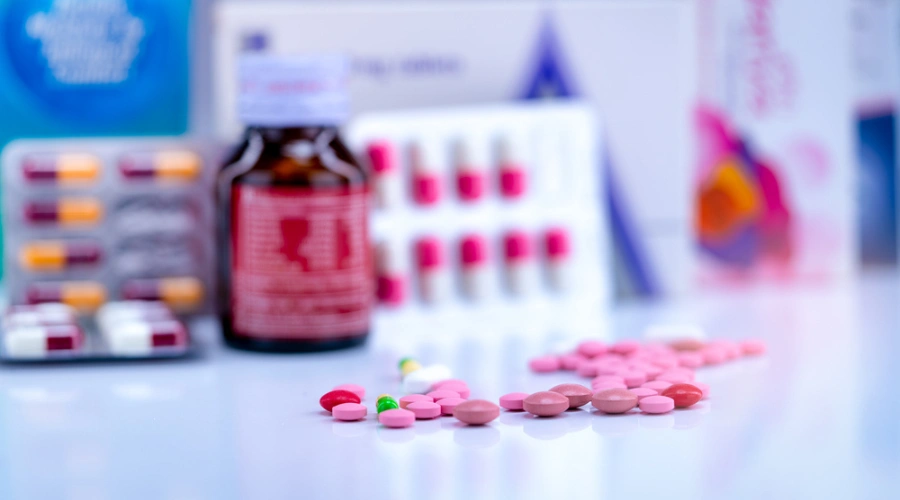
Are muscle relaxers addictive? Doctors might be quick to hand out a prescription for medications that can stop chronic pain, multiple sclerosis, and other issues that spur muscle spasms. The problem is that not every healthcare provider is educated on the long-term impacts of a skeletal muscle relaxant.
It’s easy to develop an increased tolerance for prescription muscle relaxers. Mixing them with other drugs or alcohol can compound side effects and result in dangerous consequences. You may have serious withdrawal symptoms like nausea, vomiting, headaches, seizures, and hallucinations.
If you think you may be addicted to muscle relaxers, seeking professional help is an important step. Catalina Behavioral Health does not provide on-site medical detox. If withdrawal support is needed before treatment begins, our admissions team can help discuss the next steps before residential treatment, PHP, IOP, or outpatient care. Here is what you need to know about muscle relaxer addiction.
Get Proven Detox and Rehab Options at Catalina
Treatment for Muscle Spasms: Are Muscle Relaxants Addictive?
Many people struggle with chronic pain daily related to muscle spasms and compromised nerve pathways. Muscle relaxers are often the answer to this uncomfortable issue, but they should only be taken under the care and guidance of a medical team. Plus, they should only be used for short-term treatment (usually two to three weeks).
Prescription muscle relaxers can indeed be addictive if taken too often or for too long of a period.
Your doctor might use relaxers to treat muscle spasms, but that isn’t the only reason people turn to these drugs. They depress the central nervous system, which leads to a sedative effect that can be desirable and addictive. It keeps the brain and spinal cord from communicating pain sensations.
They also give a sense of well-being, relaxation, and euphoria for up to six hours.
The most commonly abused muscle relaxers are Valium, Soma, and Flexeril. It’s worth noting that not all addictive muscle relaxers are controlled substances, making them easier to obtain legally.
Side Effects of Muscle Relaxers
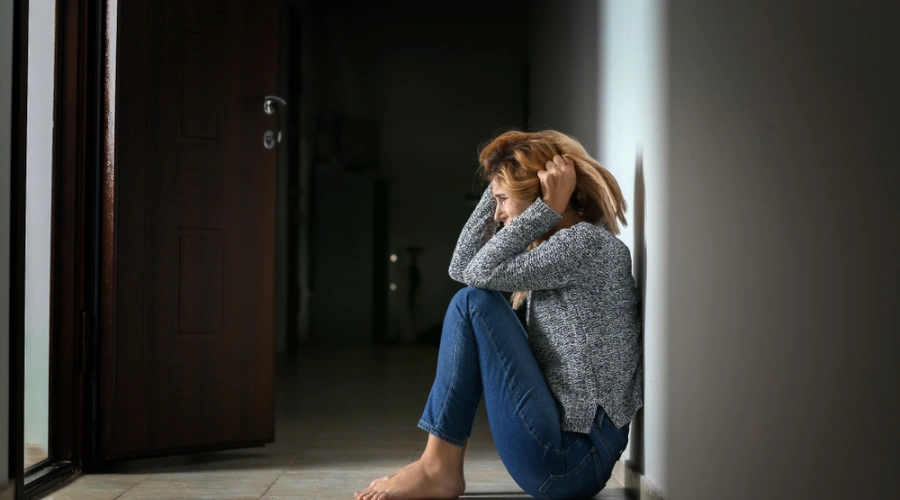
In addition to depressing the central nervous system and developing physical dependence on the drug, there are some serious side effects of muscle relaxers. These side effects worsen if you begin taking an even larger dose of the prescription.
Some of the side effects may not be pleasant, including:
- Irritability or agitation
- Nervousness or anxiety
- Dizziness
- Headache
- Dry mouth
- Extreme drowsiness
- Low blood pressure and respiratory depression
- Blurred vision
Using alcohol and muscle relaxers is even more dangerous. These side effects tend to enhance feelings of relaxation and the sedative effect.
Fainting and memory issues are relatively common when engaging in polysubstance abuse. While common, it is ill-advised to use both substances simultaneously.
Noting Personal or Familial History of Addiction
It’s worth noting that eventually, your body will come to tolerate the starting dose of the drug. You may have taken the prescribed dosage for an extended time. After a certain point, your muscle pain might and nerves sending pain signals will resurface after taking the same dosage. You’ll need more and more of the drug to achieve remission of pain signals.
This is why doctors typically don’t prescribe muscle relaxers for prolonged use with muscle issues.
Even if you have a chronic condition such as multiple sclerosis or cerebral palsy, it’s worth discussing your personal or family history of addiction with a provider. Studies show that muscle relaxers may not be effective long-term for all types of pain management.
A doctor may be able to offer something different to relieve muscle spasms that would be better suited to someone who has a propensity toward substance use as well. If you are concerned about your drug use, we are professionals who will listen to your concerns.
Common Withdrawal Symptoms of Being Addicted to Muscle Relaxers
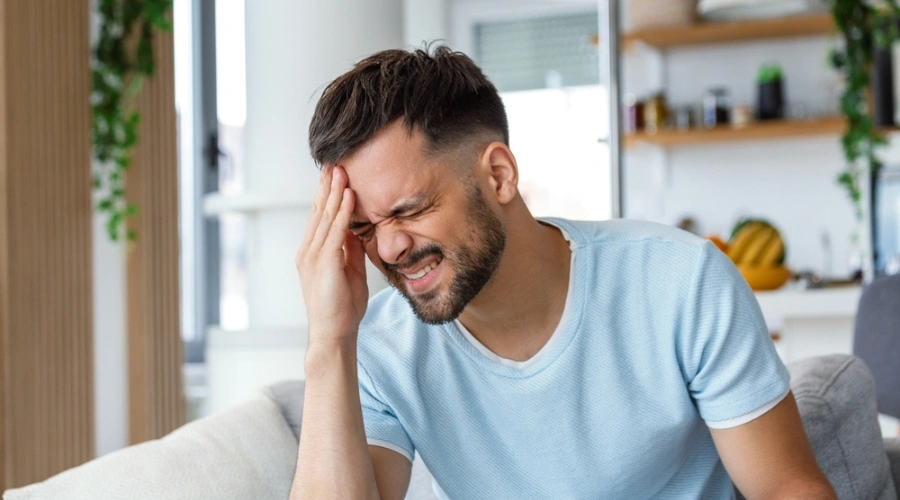
While you might have started taking skeletal muscle relaxers under the care of a doctor, things can get out of hand quickly. Prescription muscle relaxants and others muscle relaxers also have withdrawal symptoms if you take them too long and stop abruptly.
In many cases, these withdrawal symptoms are going to be the same as the potential adverse effects but elevated to a more uncomfortable degree. Nausea, vomiting, dizziness, headache, and a general sense of not feeling well are all possible. You might also feel more anxiety or edginess in the days after your final dose.
In rare instances, abuse of muscle relaxants may also result in hallucinations or seizures, so it’s best to let your medical team know about your usage.
Flexeril and other prescription muscle relaxants have withdrawal symptoms that surface about two to four days after the last dose. The effects can last for about a week, during which time you’ll often be very uncomfortable. This is where addiction treatment can help.
Get Accredited Treatment Programs at Catalina
Why Pursue Addiction Treatment for Skeletal Muscle Relaxant Addiction?
Many people struggling with substance abuse do so in private. They hesitate to make that brave move and admit their need for help to get over the drug, but professional support can make you increasingly more comfortable and provide the structure you need to heal.
Catalina Behavioral Health offers several different treatment programs so that you can get the help you need for muscle relaxer addiction.
Medical Detox for 24/7 Care
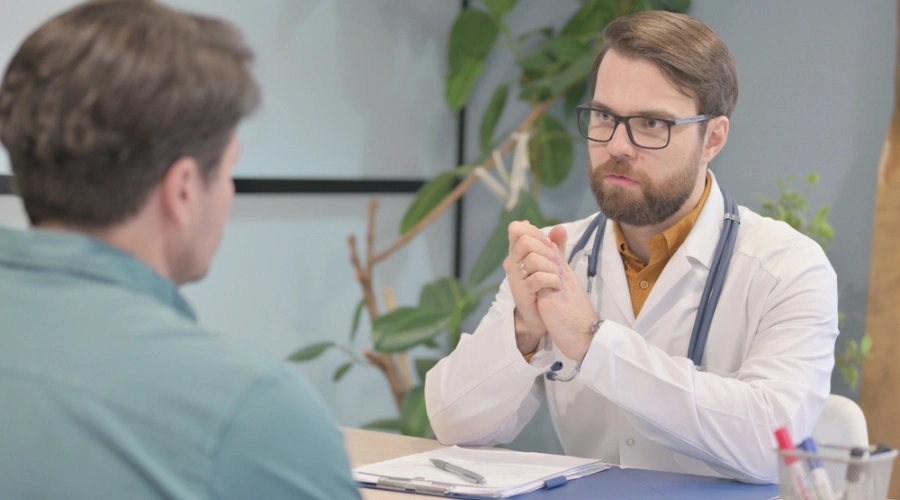
Withdrawal experiences vary depending on the medication involved, the amount used, the length of use, and a person’s overall health. Some people may need medical support before beginning addiction treatment, while others may be ready to transition directly into behavioral health care.
Once withdrawal-related needs have been addressed, our programs can help clients continue their recovery through residential treatment, PHP, IOP, or outpatient services.
Residential Care for Long-Term Help
Whether you are addicted to central nervous system depressants or are combining substances, the next step for your physical and mental health is usually residential care. Muscle relaxers act great for spinal cord injuries and muscle spasms, but they might not be as effective as other drugs for anxiety.
In our residential program, you’ll be safe from the opportunity to turn to muscle relaxers again. Our team of clinicians will teach you new coping skills and help you connect with a doctor who can treat anxiety and work with you on pain management. You get a personalized treatment plan for your long-term care.
We may also help you manage acute pain without turning to more muscle relaxers.
Intensive Outpatient for Less Restrictive Care

Eventually, you will be ready to move from the safe confines of our residential treatment center here at Catalina Behavioral Health. Intensive outpatient allows you to receive the same help as our residential clients for several hours each day. The difference is that you go home at night to sleep in your bed.
You still have access to one-on-one therapy, group therapy, family therapy, and even complementary therapies like yoga and art. Get some practice abstaining from substance abuse while maintaining the structure that is so critical to inpatient or residential care.
It’s a great way to test the waters of navigating life without the abuse of prescription medications while you still have access to a supportive network of peers and professionals.
Many Forms of Insurance Accepted for Treatment
Get a Customized Muscle Relaxer Treatment Plan at Catalina
If muscle relaxer use is affecting your health or daily life, Catalina Behavioral Health can help you explore treatment options. Our admissions team can discuss the appropriate next steps and determine whether another level of medical care may be needed before treatment begins at Catalina.
Are you ready to conquer a prescription drug addiction and your concurrent mental health issues? We offer personalized treatment plans from detox and inpatient treatment to PHP, IOP, and outpatient services.
Better yet, we accept insurance to cover more of your treatment. Connect with a healthcare provider in our system and let our enrollment team verify your benefits in a quick, confidential call that takes just fifteen minutes of your time.
Reach out to us today to get immediate medical attention, treat pain, and get past a dependence on muscle relaxants now!
FAQs to Answer: Muscle Relaxer Addiction
Are muscle relaxers addictive?
Some muscle relaxers can be misused, especially when taken in higher amounts, more often than prescribed, or with other substances. Dependence and addiction risk can vary by medication, dose, length of use, and personal health history.
What are signs of muscle relaxer misuse?
Possible signs may include taking more than prescribed, running out early, feeling unable to cut back, using muscle relaxers with alcohol or other drugs, or continuing use despite problems at work, school, home, or in relationships.
Can muscle relaxer withdrawal happen?
Withdrawal symptoms may happen for some people after regular or heavy use, depending on the medication and other health factors. Anyone concerned about withdrawal should seek guidance from a qualified medical professional.
Does Catalina Behavioral Health provide muscle relaxer detox?
Catalina Behavioral Health does not provide on-site medical detox. If withdrawal support is needed before treatment begins, our admissions team can help discuss possible next steps before residential care, PHP, IOP, or outpatient treatment.
What treatment options does Catalina offer for muscle relaxer addiction?
Catalina Behavioral Health provides addiction treatment options for adults in Tucson, including residential treatment, PHP, IOP, outpatient care, therapy, dual diagnosis support, relapse prevention, and continuing recovery planning.
Resources
- Calcaterra, N. E., & Barrow, J. C. (2014). Classics in chemical neuroscience: diazepam (valium). ACS chemical neuroscience, 5(4), 253–260.
- Reeves, R. R., Carter, O. S., Pinkofsky, H. B., Struve, F. A., & Bennett, D. M. (1999). Carisoprodol (soma): abuse potential and physician unawareness. Journal of addictive diseases, 18(2), 51–56.
- Khan I, Kahwaji CI. Cyclobenzaprine. [Updated 2023 Aug 28]. In: StatPearls [Internet]. Treasure Island (FL): StatPearls Publishing; 2024 Jan-. Available from:
- Oldfield, B. J., Gleeson, B., Morford, K. L., Adams, Z., Funaro, M. C., Becker, W. C., & Merlin, J. S. (2024). Long-Term Use of Muscle Relaxant Medications for Chronic Pain: A Systematic Review. JAMA network open, 7(9), e2434835.
- Reeves, R. R., & Burke, R. S. (2010). Carisoprodol: abuse potential and withdrawal syndrome. Current drug abuse reviews, 3(1), 33–38.
- Kuppili, P. P., Parmar, A., Gupta, A., & Balhara, Y. P. S. (2018). Role of Yoga in Management of Substance-use Disorders: A Narrative Review. Journal of neurosciences in rural practice, 9(1), 117–122.
- Aletraris, L., Paino, M., Edmond, M. B., Roman, P. M., & Bride, B. E. (2014). The use of art and music therapy in substance abuse treatment programs. Journal of addictions nursing, 25(4), 190–196.