Using Benzodiazepines to Help With Alcohol Withdrawals
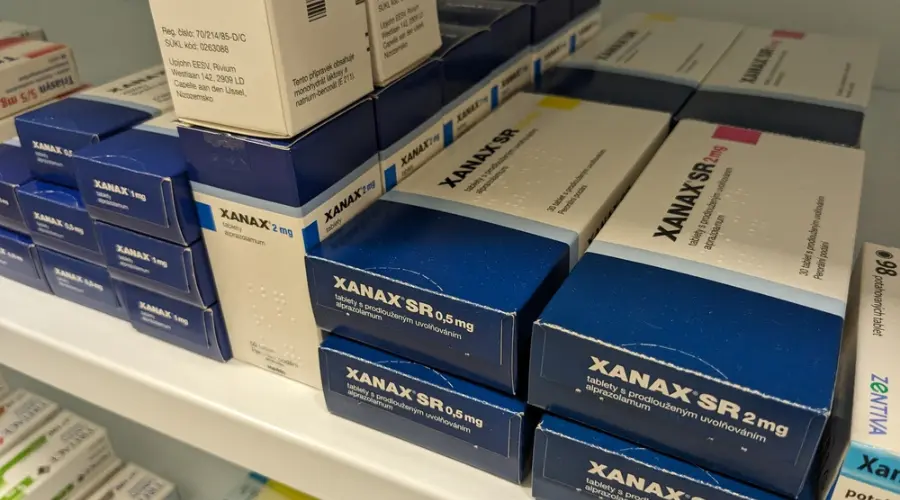
Xanax is a benzodiazepine medication that is approved to treat anxiety disorders like generalized anxiety disorder and panic disorder. However, as is the case with many medications, Xanax can be prescribed for some off-label uses. This includes alcohol withdrawal syndrome, which occurs when someone with alcohol dependence reduces their alcohol intake significantly or stops drinking.
Since some people do develop an addiction to Xanax, it might be confusing to hear that Xanax is prescribed to treat withdrawals in those with alcohol addiction. You might wonder why it’s prescribed and if it’s an effective treatment. So, does Xanax help with alcohol withdrawal symptoms? If so, how does Xanax help with alcohol withdrawal?
First, let’s talk about whether Xanax really helps with alcohol withdrawal symptoms and why it’s used for alcohol withdrawal syndrome. Then, we’ll discuss possible risks, alternatives, and the importance of seeking help from medical professionals for both alcohol detox and your overall recovery journey.
Get Effective Alcohol Detox and Rehab Options
Does Xanax Help With Alcohol Withdrawal Symptoms?
Yes. Xanax can help with acute withdrawal symptoms in those facing alcohol dependence who stop drinking. In fact, drugs like Xanax are some of the most common medications prescribed to treat alcohol withdrawal syndrome (AWS), with the Journal of Clinical and Diagnostic Research calling benzodiazepines the gold standard for treating AWS.
Whether benzodiazepines are used in alcohol detox depends on factors like withdrawal symptom severity. Since some alcohol withdrawal symptoms can be life-threatening or are otherwise serious, treating those symptoms is vital as part of a safe withdrawal process.
For severe alcohol withdrawals, IV benzodiazepine treatments (e.g., IV diazepam) may be necessary.
How Does Xanax Work for Alcohol Withdrawal Syndrome?

Xanax works by slowing down the central nervous system. When used in detox for alcohol withdrawal syndrome, Xanax helps by reducing the severity and incidence of alcohol withdrawal symptoms like delirium tremens and seizures.
Prescribing Xanax during the detox process can also help with less serious but uncomfortable symptoms of alcohol withdrawal, like increased anxiety, muscle spasms, and trouble sleeping.
The Risks of Using Benzodiazepines for Alcohol Withdrawal
Like other benzodiazepines, Xanax is a schedule IV controlled substance. It is true that you can get addicted to Xanax, which is an important consideration for any medical professional prescribing the drug.
The risk of Xanax addiction increases when you use the drug in high doses or on an ongoing basis. Due to the potential for addiction or abuse, Xanax is used for alcohol withdrawal in medical settings on a very short-term basis, which lowers your likelihood of developing a physical dependence on Xanax.
Xanax is not the right choice for everyone going through alcohol withdrawal. Non-addictive alternative drugs may be used independently or as an add-on to benzodiazepines to reduce the need for potentially habit-forming medications.
Well Known Xanax Side Effects
In addition to the risk of addiction, side effects are a possible risk of taking Xanax. Common Xanax side effects include dizziness, confusion, drowsiness, low blood pressure, and memory problems. Most of the side effects associated with short-term Xanax use are mild.
That being said, serious effects, like allergic reactions, can happen in some instances. While they are rare, signs of an allergic reaction to Xanax include swelling, itching, rashes, and itchy skin.
Get Accredited Treatment Programs at Catalina
Alternatives to Xanax for Alcohol Withdrawal Symptoms
Anticonvulsant drugs like carbamazepine (Tegretol) and gabapentin are some of the most common alternatives to benzodiazepines for people with mild alcohol withdrawal symptoms.
Unlike Xanax, anticonvulsant drugs like tegretol and gabapentin are not controlled substances.
Other medications, like barbiturates and beta blockers, can be used for alcohol withdrawal symptoms in some cases. Electrolytes, nutrition support, hydration, and vitamin treatments can be used alongside medication during withdrawal management.
Each treatment you receive during alcohol withdrawal will have its own purpose. Any medication you start during the alcohol withdrawal process must be used as prescribed.
In an outpatient setting, clients have less supervision using prescriptions than they would in an inpatient setting. In general, medical supervision is necessary during the detox process; those with a history of benzodiazepine abuse should receive extra monitoring when using Xanax for alcohol withdrawal.
Understanding Medical Detox Before Alcohol Treatment

At Catalina Behavioral Health, we provide medically supervised inpatient detox services. By conducting Alcohol withdrawal can be medically serious, especially for adults who have been drinking heavily, drinking daily, or have a history of withdrawal symptoms. Medical detox is a separate level of care that may be needed before someone begins addiction treatment.
Catalina Behavioral Health does not provide on-site medical detox. If alcohol withdrawal symptoms, medical detox, hospital-based withdrawal support, or medical clearance may be appropriate before admission, our admissions team can help callers understand possible next steps before residential care, PHP, IOP, or outpatient treatment.
Once a client is medically stable and appropriate for admission, Catalina Behavioral Health provides alcohol treatment options in Tucson that may include residential treatment, PHP, IOP, outpatient care, and ongoing recovery support.
How Long Does Alcohol Detox Last?
The length of time you are in a detox program for will depend on the severity of alcohol withdrawal syndrome. Most clients who attend detox at Catalina Behavioral Health stay in detox for about 3-8 days.
We can talk you through what to expect during alcohol detox before you get here. When withdrawal symptoms ease up, clients typically transition into one of our rehab programs.
In alcohol rehab at Catalina Behavioral Health, you will address the underlying causes of addiction, develop new routines, and build effective coping skills. In rehab, we will also address co-occurring mental health disorders if applicable.
Is Alcohol Detox and Treatment Covered by Insurance?

Insurance coverage varies by plan, level of care, medical necessity, and provider network. Some insurance plans may include coverage for alcohol withdrawal management, residential treatment, PHP, IOP, outpatient treatment, or related behavioral health services.
Catalina Behavioral Health can help verify insurance benefits for treatment services offered at our Tucson facility. Verification of benefits is not a guarantee of payment, coverage, or admission.
Catalina Behavioral Health does not provide on-site medical detox and does not represent that detox is available through a partner facility. If medical detox, hospital-based withdrawal support, or medical clearance may be needed before admission, our team can help callers understand possible next steps before residential care, PHP, IOP, or outpatient treatment.
Contact Catalina Behavioral Health to verify your insurance today. The insurance verification process is commitment and cost-free, and it should take a few minutes or less.
Call Catalina for Safe and Effective Alcohol Treatment Programs
Attending a medical detox program is vital for people facing alcohol use disorder (AUD), the diagnostic term used for alcohol abuse or addiction.
Going through medical detox for alcohol abuse at Catalina Behavioral Health can help you avoid serious complications of alcohol withdrawal.
To learn more about our Arizona-based detox and addiction treatment programs, call Catalina Behavioral Health today. You are welcome to call Catalina Behavioral Health for yourself or for anyone you care about who needs help with alcohol addiction.
Many Forms of Insurance Accepted for Treatment
FAQs Regarding Xanax and Alcohol Withdrawals
Is alprazolam good for alcohol withdrawal symptoms?
Alprazolam is another name for Xanax. With medical supervision, alprazolam can be good for alcohol withdrawal symptoms when used for a short time period.
What sedative is used for alcohol withdrawal?
Benzodiazepines and barbiturates are both considered sedative drugs. Medications frequently used during the alcohol withdrawal process include drugs used to treat seizure disorders (e.g., valproic acid, Tegretol, gabapentin, or Trileptal), benzodiazepines like Xanax, barbiturates like phenobarbital, and beta blockers, like propanol.
The medications you are prescribed for symptoms of alcohol withdrawal will be unique to you. Some factors, like experiencing severe withdrawal symptoms, could impact the medication treatment plan you follow in detox. If you are at risk of seizures, for example, you might need to take specific drugs to prevent them.
What drug is commonly used to treat alcoholics?
Medication-assisted treatment (MAT) for alcohol use disorder can be used to help treat alcoholism alongside addiction therapy. MAT comes in different forms, and the type of medication you are prescribed to treat alcohol addiction will impact what effects it has.
References
- https://pubmed.ncbi.nlm.nih.gov/26500991/
- https://my.clevelandclinic.org/health/diseases/alcohol-withdrawal
- https://pmc.ncbi.nlm.nih.gov/articles/PMC4606320/
- https://www.dea.gov/sites/default/files/2020-06/Benzodiazepenes-2020_1.pdf
- https://www.asam.org/docs/default-source/quality-science/the_asam_clinical_practice_guideline_on_alcohol-1.pdf
- https://pubmed.ncbi.nlm.nih.gov/27207572/