

Understanding The Dangers And Steps to Prevent Self Harm Relapse
Let’s start off with this encouraging truth: a self harm relapse does not undo your progress.
People self harm for many reasons, which can be complex, and healing is not always linear. Overcoming a self harm relapse is something to take pride in. And, it is possible. Working with a mental health professional can help.
One of the dangers of the stigma surrounding self harm behaviors is that it means many people do not have the information they need to address potential risks associated with relapse. We’re here to demystify them.
Catalina Behavioral Health provides personalized and compassionate care for self harm and the potential underlying causes. Let’s talk about the risks of self harm relapse, prevention, and treatment.
Get Effective Mental Health Treatment Options
What are the Risks of Self Harm Relapse?
When a self harm relapse occurs, there are risks to be aware of. These include but are not limited to:
- Scarring.
- Permanent tissue or nerve damage.
- Infections, such as sepsis or cellulitis.
- Emotional challenges (e.g., social isolation).
- Severe bleeding.
- Anemia.
Self-injurious behaviors can become increasingly severe if left untreated. This can heighten the likelihood of serious injuries.
How do I Prevent a Self Harm Relapse?
Finding strategies to prevent relapse is an important goal in treatment. Here are some steps you can take.
What are the Risk Factors for Self Harm Relapse?

Identifying that you’re at risk of self harm relapse is one of the first and most important steps toward prevention. Think about what your warning signs leading up to a relapse might be. For example, you might feel unhappy, depressed, numb, or stressed out.
In substance abuse, there’s something called emotional relapse. This comes before mental relapse, when you think about using. It refers to an emotional state that makes you more vulnerable to relapse.
This idea can be transferred to self-harm recovery and relapse prevention. Identifying your risk during this period aids prevention because it means you can take action sooner rather than later.
Identify Your Triggers
Some people find that specific triggers impact their urge to use self-harm behaviors. For example, seeing objects you might use to self injure around the house. Reduce your exposure to these triggers if you can, or use extra self-care to strengthen your resistance to triggers.
Seek Professional Help
Don’t wait until things get worse to talk with a professional. Seeking help when you know you’re at risk of a relapse is ideal for prevention. A therapist can give you individualized guidance in a private, confidential space.
Brush up on Self-Care
Strengthening your self-care routines is crucial when you’re at risk of relapse. Daily self-care habits, such as getting enough sleep, can support your mental health and cognitive functions. This will likely help you think more clearly, along with other benefits for the brain and body.
Make a List of Coping Skills
Make a list of coping skills you can turn to when you’re feeling overwhelmed or at risk of using harmful behaviors. For example:
- Breathing exercises.
- Progressive muscle relaxation.
- Distractions (e.g., going outside, exercise, spending time with a trusted friend).
When you are in active emotional distress or feel triggered to self harm, it can be hard to think clearly. Making a list in advance means that your coping skills will be there when you need them.
Use Non-Harmful Replacement Behaviors
Replacement behaviors with sensory elements can be used in place of self-injury for harm minimization. A common example is exposure to cold (e.g., taking a cold shower).
Recovering From a Self Harm Relapse

While not everyone goes through a self harm relapse, many people do. Relapse can be a part of the recovery process. Learning from slip-ups and relapses can help you gain insight and prevent them in the future.
Pinpointing the underlying causes of self harm, or contributing factors, is an essential part of the healing process. When you understand why you self harm, you can work to find another way to meet those needs.
For example, many people engage in non suicidal self-injury to cope with emotional pain. In that case, the therapy process for self harm should include finding new ways to cope with emotional pain that work for you.
This is true for other triggers, too, like the need for control or habitually returning to non suicidal self-injury during times of stress. Even though recovery takes time and can come with ups and downs, it is more than possible.
Get Accredited Treatment Programs at Catalina
What is the Treatment for Self Harm Behaviors?
Therapy can help treat self-injurious thoughts and behaviors. Types of therapy used often include but are not limited to dialectical behavior therapy (DBT), cognitive behavioral therapy (CBT), and mentalization-based therapy (MBT).
Typically, we use a combination of groups and individual therapy sessions. Other treatments, like family therapy sessions, trauma-focused therapy, and experiential therapies are also available.
Sometimes, a combination of therapy and medication for underlying mental health conditions can be advantageous. Everyone in treatment for self harm has different needs, preferences, and experiences, which might affect what the process looks like.
Catalina Behavioral Health provides individualized, evidence-based treatment for self harm behaviors. You or your loved one receiving self harm treatment at our center will get a personalized treatment plan.
What are the Warning Signs of a Self Harm Relapse?
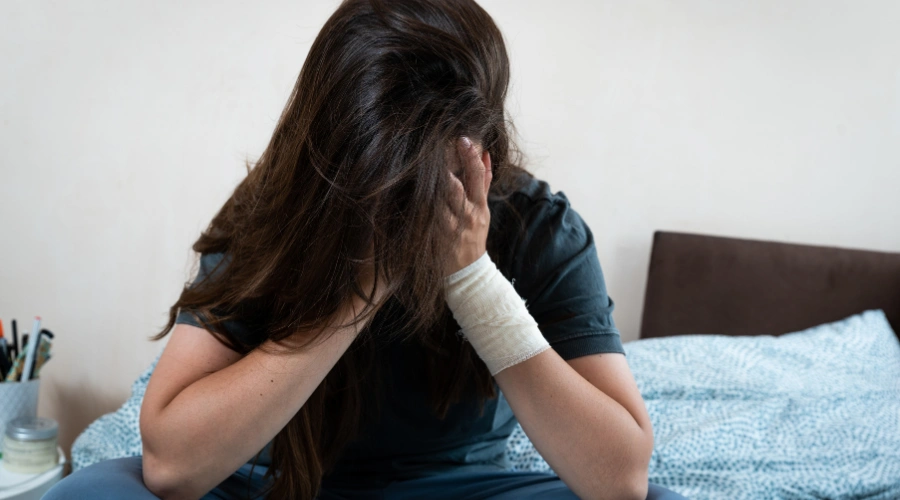
If you are concerned about someone who has struggled with self-harm in the past, you may want to know what the warning signs of a relapse are. Possible warning signs of a relapse that loved ones might notice include, but are not limited to:
- Wearing long sleeves or pants, even in hot weather.
- Explanations for frequent scabs, scars, or burns that do not make sense.
- Items (like tissues or towels) with blood stains.
- Owning items used for self-injury.
Since self-harm can take many different forms, some of these signs might vary. And if you or your loved one is in recovery from these behaviors, please be sure to review our resource on self-harm scars and how to handle what can be a challenging issue.
What Should Loved Ones Know About Self Harm?
Understanding self-harm is important for loved ones. In many cases, self harm is closely tied to underlying mental health concerns, like mental illness or traumatic events. Showing empathy is one of the best things you can do.
Family involvement is strongly encouraged at Catalina Behavioral Health. Family therapy sessions provide education for loved ones and will give you the tools necessary to navigate challenges that might arise.
When you feel fear about a loved one’s possible self-harm relapse, it can be tough to stay calm. We will support you throughout the process and help your family unit communicate with each other.
What’s the Connection Between Mental Health Conditions and Self Harm?
Various types of mental health concerns are linked to self harm. These include but are not limited to:
- Depression.
- Bipolar disorder.
- Eating disorders.
- Personality disorders.
- Substance abuse.
- Traumatic experiences.
- Post-traumatic stress disorder (PTSD).
- Impulse control and conduct disorders.
- Sleep disorders.
Addressing self harm should involve treatment for the other mental health concern(s) a person has. We can assess for and treat co-occurring mental illness.
Catalina Offers Self Harm Treatment Programs in Arizona

Catalina Behavioral Health provides quality care for self harm and related concerns. Whether you are currently experiencing a self harm relapse or are at risk of one, our team is here to help you. We also welcome loved ones to get in touch for a person they care about.
Our center has multiple treatment options available for persons overcoming self harm. These include inpatient mental health treatment and outpatient therapy options. We’re here to help you or your loved one find the right fit and get help on their schedule.
Call our admissions line for self harm treatment services. All calls are confidential, so please do not hesitate to reach out for support options now.
Up To 100% of Rehab Costs Covered By Insurance
FAQs About Self Harm Relapse
How to not beat yourself up after a relapse?
Use self-compassion. Anyone can struggle with self harm, and building new habits takes time. Seeing a therapist can help you work through the emotions associated with relapse. This is strongly recommended, as shaming yourself can become a vicious cycle.
How to recover from self harm relapse?
Seeking professional help is ideal for those working to overcome a self harm relapse. We provide self harm treatment in Arizona, covered by most forms of insurance.
Is low self-esteem a risk factor for self harm?
Yes. Research shows that there is a connection between low self-esteem and self harm. Poor self-esteem can affect your quality of life and should be addressed in mental health treatment for self-injury if applicable to the person.
Does a self-harm relapse mean someone is suicidal?
No, not necessarily. Often, self harm isn’t driven by suicidal intent, though the two can be related. Non suicidal self injury tends to have other motivations, such as the need to feel something or replace emotional pain with physical pain.
References
- Cliffe, C., Pitman, A., Sedgwick, R., Pritchard, M., Dutta, R., & Rowe, S. (2021, June 25). Harm minimisation for the management of self-harm: A mixed-methods analysis of electronic health records in Secondary Mental Healthcare. BJPsych open.
- Bettis, A. H., Liu, R. T., Walsh, B. W., & Klonsky, E. D. (2020). Treatments for self-injurious thoughts and behaviors in youth: Progress and challenges. Evidence-based practice in child and adolescent mental health.
- What is self harm?. Cleveland Clinic. (2025n, October 16).
- Lei, H., Xiong, J., Rao, Y., Zhu, T., & Zhang, X. (2024, May 15). Relationships among self-esteem, depression and self-injury in adolescents: A longitudinal study. Frontiers in public health.
- How are self-injury and suicide related?. Child Mind Institute. (2025, September 11).