
When Issues with Cannabis Use Become Abuse and Dependence
Marijuana consumption is likely legal in your state. Still, if you or a loved one are regular consumers of cannabis, you are likely wondering: What is considered heavy marijuana use, and when does it cross a line into abuse?
While marijuana consumption is legal in many states, it remains illegal at the federal level, and legal issues can still arise, in addition to issues of dependence, and yes, addiction.
Although weed smoking is legally acceptable in Arizona and many other US states, considerable risks are associated with a Cannabis Use Disorder. The perception of cannabis is evolving, with increasing acceptance in many areas, but stigma still exists. The potential risks of the use of marijuana largely rest with each individual. Some have medical conditions that can create physical effects, while others seem to smoke without expressing any concern.
Catalina Behavioral Health acknowledges that cannabis products are widely available after legalization. However, we still warn our clients against smoking cannabis after finding recovery and help others overcome cannabis as their primary substance of choice.
It is simple: cannabis use still means an increased risk for adverse effects, despite its legality. Self-assessment is important for identifying problematic cannabis use. We believe all people should make informed decisions.
We invite you to join us as we look deeper into the debates surrounding smoking cannabis and discuss what may constitute heavy use. What is considered heavy weed or heavy weed use can vary based on how often and how much someone uses, as well as the impact on daily life. Definitions of heavy use can also vary based on individual patterns, tolerance, and effects.
And, we would like to remind you that treatment support is available at Catalina if marijuana has become a problem for you or someone you care about.
Get Effective Marijuana Treatrment Options at Catalina
What Is Considered Heavy Marijuana Use? Look at These Factors
Defining heavy marijuana use depends on several factors. Just as with consuming alcohol or other drugs, everyone experiences addiction in their own way. Heavy weed use is generally considered heavy when someone uses cannabis daily or multiple times per day, or consumes larger amounts in one sitting or on a regular basis.
Some of the determining factors include the following about what constitutes heavy marijuana use:
- Frequent consumption and large doses: Using marijuana daily, on a regular basis, or several times daily is generally categorized as heavy marijuana use. How much marijuana was consumed also weighs into consideration; heavy usage often means higher dosages or larger amounts in one sitting, consistently over time as the body develops tolerance.
- Duration of cannabis use: Long-term dependence on marijuana, especially when combined with larger doses, usually constitutes heavy marijuana use.
- Dependency: If marijuana has become a must-have to function as usual, or when someone has withdrawal if they don’t engage in regular marijuana use, that is considered heavy marijuana use by most professionals. Loss of control—using more than intended or being unable to cut down—is a key sign.
- Cannabis use controls daily decisions: Marijuana users who plan their day around smoking are often considered heavy cannabis users.
- Using marijuana daily or on a regular basis: Consuming marijuana daily or almost daily over an extended period is generally considered heavy use.
- Consuming larger amounts or using multiple times in one sitting: Using cannabis in larger amounts or multiple times during one sitting increases the likelihood of heavy weed use.
The DSM-5 uses 11 criteria to assess the severity of cannabis use, and medical professionals assess heavy use by looking at frequency and the level of interference with life, which may indicate Cannabis Use Disorder (CUD). The most common baseline for heavy use is how many days per month or times per day a person uses cannabis. The presence of THC-11-oic acid in urine is a common marker used to verify heavy cannabis use.
A heavy user of marijuana has a greater likelihood of developing physical and mental health issues. Awareness of the problem is often the foundation for fixing it and restoring your well-being. Self assessment and recognizing signs of heavy use are crucial for understanding your use patterns. As tolerance develops, users may need higher doses to achieve the same effects.
As an informal assessment tool, our marijuana addiction quiz can help you determine whether cannabis use has become problematic for yourself (or a loved one). Here are some signs to consider below.
What are the Signs of a Chronic User of Marijuana?
Recognizing these signs in yourself or a loved one is the first step toward getting the support and understanding you deserve. When marijuana use becomes more than occasional enjoyment and starts taking center stage in your daily life, you’re not alone in this struggle.
You might find it challenging to cut back or stop, even when your heart tells you it’s time. Those persistent cravings can feel overwhelming, and you may notice that cannabis has started taking priority over the work, family connections, or hobbies that once brought you joy – perhaps even canceling plans when you can’t access marijuana.
The good news is that recognizing these physical and mental health changes means you’re already on a path toward healing. While chronic marijuana use can lead to that persistent cough, respiratory challenges like chronic bronchitis, and increased struggles with anxiety, depression, or mood swings, understanding these connections gives you power.
You may notice relationships becoming strained as you withdraw from activities or people that don’t involve cannabis use. Those withdrawal symptoms, irritability, sleep troubles, including intense nightmares from weed withdrawal, or appetite changes when you try to quit weed consumption, can feel daunting, but they’re also signs that your body is ready for positive change.
If you’re seeing these patterns in your own life or in someone you care about, there’s hope and help available. You don’t have to walk this path alone. Addressing these challenges early can prevent further complications and open doors to the support, community, and healing that will help you or your loved one return to a life of well-being and joy.
Do the Alleged Therapeutic Benefits Outweigh the Increased Risk of Chronic Marijuana Use?

Chronic users of weed will undoubtedly argue that the use of this increasingly popular drug has health benefits and then point to the medical marijuana industry.
But that is an unequal comparison – the medical marijuana industry is a little closer to prescribing drugs under a doctor’s care than legal recreational use. Cannabis is permitted for medical purposes in certain states and is prescribed for specific health conditions under strict regulations. The medical community is bound in those states that allow medical dispensation to prescribe medical marijuana only for specific conditions, as per state law.
Some of the allowable conditions for smoking marijuana medically are:
- Chronic pain due to cancer
- Glaucoma
- Epilepsy and seizures
- HIV/AIDS
- ALS
- Crohn’s Disease
- Post-traumatic Stress Disorder
Comparing medical marijuana to grabbing a recreational marijuana smoke at the end of a workday becomes even muddier when you look at the abuse of prescription pills. Just because someone has a prescription for Xanax for anxiety, it does not guarantee that the person won’t misuse it and become addicted to it. Same with marijuana.
The World Health Organization also takes a measured approach, acknowledging there are some therapeutic benefits to consider when discussing the medical use of marijuana. Still, their leadership warns of its highly addictive nature. They express particular concern about teens and young adults who start smoking early in life.
The National Institute on Drug Abuse Stats on Marijuana Use
The National Institute on Drug Abuse (NIDA) conducted a large survey and found that cannabis is one of the most widely used drugs in the United States. It is particularly popular among young people.
While many states have legalized cannabis, it remains illegal at the federal level. Users should be aware of potential legal issues, as regional and national cannabis laws can differ, and heavy marijuana use may have legal consequences.
The report shows how 35.4% of younger adults, or 11.8 million young Americans, had used it within the previous year. Among those, 30.7% of 12th graders had used it, often through vapes.
Legalization does not mean that marijuana does not cause any harm.
Negative Consequences That Can Come From Overusing Marijuana
Heavy usage of marijuana, especially in high doses, can wreak havoc on your well-being, despite it being legal to obtain and use in Arizona. Long term effects of heavy marijuana use may include persistent memory problems and mood changes, such as increased anxiety or depression. Cannabis affects both brain function and overall mental health, with risks that can persist over time.
While cannabis is less physically addictive than some other substances, it can still lead to dependence and withdrawal symptoms, and the feeling of an enduring ‘weed hangover‘.
With all the latest information, you can make well-informed decisions about smoking recreational weed.
Here are some of the possible health concerns to consider:
What Cognitive and Mental Health Issues Can Be Caused By Cannabis?
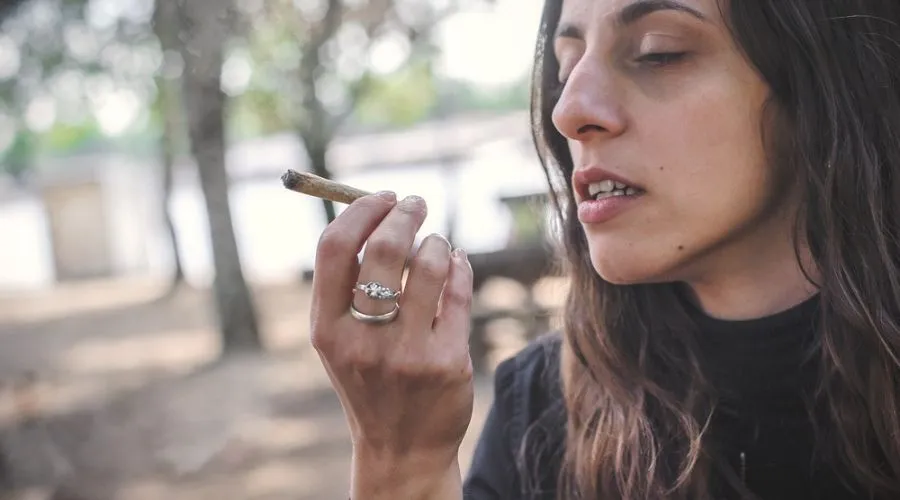
First, let’s touch on some of the things that can happen psychologically when you use marijuana frequently. The immediate effects of cannabis can be felt quickly after use and may include changes in mood, perception, and coordination.
Note that these effects can vary based on individual tolerance, the strain of marijuana, and the dosage consumed.
Drug Abuse (Marijuana Use Disorder)
The shift from recreational smoking can creep up on heavy users. Many don’t realize that their casual use progresses next to marijuana abuse and then to marijuana addiction as their brain becomes evermore dependent on the drug.
Depression and Mood Swings
Heavy cannabis use can lock you into an endless loop; enjoy the high, start to comedown, and then experience marijuana withdrawal symptoms until you use again.
During the comedown and withdrawal, many who take higher doses of cannabis struggle with depression and mood swings during these phases. These symptoms can be particularly pronounced in those using concentrated forms of cannabis and ‘dabbing‘ regularly.
Psychotic Disorders and Marijuana Use Disorder
Heavy marijuana use may lead to a psychotic disorder like schizophrenia in people who are already predisposed to the illness. The high THC levels in some strains of the hemp plant can disrupt brain function. The result can be hallucinations, paranoid thoughts, or delusional behavior.
Cognitive Impairment and Related Risks
Marijuana heavily consumed can cause cognitive impairment. This potential outcome is especially concerning in older teens or young adults whose brain development is still underway. The impacts on memory and learning can lead to challenges in academics, work, or accidents.
Get Accredited Treatment Programs at Catalina
What are the the Physical Health Risks Associated With Heavy Marijuana Usage?
Smoking affects all people differently. Not everyone who smokes will develop these conditions. However, all regular users will be at a higher risk than most who don’t smoke cannabis. Smoking cannabis carries similar health risks to smoking cigarettes, including respiratory issues.
Marijuana Smoke Can Mean Respiratory Problems and Lung Cancer
Cannabis smoke contains some of the same harmful chemicals as you’d find in tobacco smoke. Whether smoking weed causes cancer directly is still being studied. But it is without a doubt that marijuana smoke contains lung cancer-causing carcinogens. It can also irritate the lungs of people with asthma or cause chronic bronchitis. Some heavy marijuana users develop shortness of breath or a raspy cough.
Heavy Marijuana Use Can Lead to a Heart Attack
People with a cardiovascular diagnosis should avoid heavy cannabis use. Smoking marijuana can worsen the problem because it can raise blood pressure and put unnecessary strain on the heart. In worst cases, it can lead to a heart attack.
Cannabinoid Hyperemesis Syndrome
Cannabinoid Hyperemesis Syndrome (CHS) brings severe cycles of vomiting and abdominal pain. Some who develop this condition sometimes stop vomiting only when they stop smoking marijuana. completely. Not only is the vomiting unpleasant, but it can also lead to dehydration.
Whitney Had Mental Health Concerns, and Marijuana Use Made Things Worse

‘Whitney’ was a young professional at the top of her commercial real estate career and a top performer in her agency. Her colleagues constantly praised her work, proud of her wisdom and ability to make informed decisions at such a young age.
That recognition changed over the course of the next year. Arizona legalized marijuana, and Whitney and some friends started smoking week on weekends. It was relaxing – they often paired it with their favorite white wine. After several months of casual drinking and smoking, Whitney started to use it secretly during the middle of the week.
What could be wrong with a smoke and glass or chardonnay after a long, hard day of landing huge real estate deals?
She started looking forward to her mid-week smoke, then added a couple of more evenings of relaxing with marijuana. This routine quickly escalated into nightly use, then a lunchtime smoke to unwind, and then a bowl (or two) for breakfast. Whitney’s pattern of daily cannabis use is a common sign of heavy marijuana use. As her body grew more dependent, Whitney was spending more money every week on cannabis use.
If you find that your cannabis use is becoming more frequent or heavier than you’d like, it’s not too late to make adjustments.
Escalating Cannabis Use Leads to Dependence
After several months of hiding what had grown into a marijuana addiction, Whitney could no longer hide her struggles. Whitney’s job performance suffered, and her finances were becoming sticky – she was spending significant money on heavy marijuana use and making less income as her productivity plummeted.
Whitney decided to take off some time and use her insurance plan to cover the cost of Catalina Behavioral Health’s Partial Hospitalization Program. In her sober moments, she knew it was time to put herself first again instead of putting marijuana first.
She was scared of marijuana detox and withdrawal, but the doctor gave her some medicines that helped dull the nausea, making the first week tolerable. In the PHP program, Whitney learned that her trigger was the stress of her high-pressure career and learned healthier ways to cope with the demands of her job.
After her programs, Whitney returned to the real estate industry but ultimately decided to change to a residential firm, where the lead broker focused on client satisfaction, not deal-making. She avoids putting herself under too much stress and has stayed marijuana-free since leaving our outpatient programs and becoming another successful Catalina alumni story.
Our Treatment Programs for Chronic Use of Marijuana

Has marijuana consumed your life and stripped away the happiness you used to feel? If yes, then it’s time to explore treatment options at a well-qualified rehab center like Catalina Behavioral Health. We offer a supportive environment that will help you stop using marijuana and reclaim your sober life.
Here are some programs that help our clients stop heavy use of cannabis:
Managing Withdrawal Symptoms During Medical Detox
Your recovery starts with detox, where your body sheds any remaining marijuana. Our professional, compassionate team will monitor your well-being (both physically and mentally) as you go through this treatment stage. If your discomfort becomes intense, we can prescribe medications to help you manage them.
Treating Co-Occurring Mental Illness
Heavy marijuana use sometimes stems from an underlying mental health condition or co-occurring disorder. In this case, marijuana use is a form of self-medicating, often covering up the chronic pain of depression, anxiety, or other mental illnesses.
We will treat both the mental illness and the heavy marijuana use to help restore wellness.
Intensive Counseling Services for Marijuana Users
Our Joint Commission-accredited treatment programs are staffed with highly qualified counselors and therapists who know the potential risks of heavy use of marijuana. They provide customized treatment options to help each person confront their addiction.
Therapies take place in individual, group, and family settings to ensure a safe, well-rounded experience.
Aftercare Planning and Support Groups

You don’t leave your inpatient programs or outpatient care without developing an aftercare plan. This plan is your roadmap to staying sober once you return to your daily routine. It will provide you a well-thought-out guide to healthy activities that keep you on the right path.
For instance, you might plan on attending Narcotics Anonymous or Marijuana Anonymous groups once a week to gain support from others who have experienced heavy use of marijuana or other illicit drugs. You might also create a list of “unsafe people” to avoid, those who could possibly trigger a relapse.
Prevention and Reduction Strategies for Cannabis Use
What does it really take to prevent and reduce heavy cannabis use in your life or the life of someone you care about? The truth is, it involves much more than just willpower – it requires a comprehensive approach that addresses the physical, emotional, and social factors you’re dealing with. Counseling and therapy, such as cognitive-behavioral therapy (CBT), can offer you hope as you identify triggers for cannabis use and develop healthier coping strategies that actually work.
Support groups, including peer recovery groups, provide a supportive community where you can share your experiences and receive genuine encouragement from others who understand exactly what you’re walking through.
What is Harm Reduction in the Context of Heavy Marijuana Use?
Harm reduction strategies can also offer you practical hope for minimizing negative effects. Whether you’re choosing cleaner cannabis products or reducing the frequency and amount of use, these approaches meet you where you are right now.
Education becomes your foundation for hope: when you truly understand the risks of heavy cannabis use, you’re empowered to make informed choices about your health and well-being–choices that can transform your life.
Are you or someone you care about struggling with heavy cannabis use right now? Seeking professional help can make a significant difference in your journey toward healing and hope. When you focus on accessing resources, building a supportive environment around yourself, and learning new skills, you’re taking important steps toward reducing or preventing cannabis use and improving your overall health.
Up To 100% of Rehab Costs Covered By Insurance
Connect With Catalina if You’re a Heavy User Ready for Help
If your once casual or recreational marijuana use has become the dominant factor in your life, it’s time to get professional help from the expert team at Catalina Behavioral Health.
We understand how the legalization of marijuana has led people to believe that it’s not damaging and that marijuana use is relatively safe. The truth is that for many, marijuana use is unsafe and even damaging.
Catalina Behavioral Health is here to help you unravel the negative consequences of heavy marijuana use and regain control over your life and happiness.
Call us today to arrange to come to our rehab center to quit using cannabis. We’re here to help.
Frequently Asked Questions about Chronic Marijuana Use
What is considered chronic marijuana use?
When we talk about chronic marijuana use, we’re referring to a pattern where individuals find themselves reaching for cannabis on a daily or near-daily basis, walking this path over extended periods. This consistent pattern of use can, unfortunately, increase the risk of developing various physical and mental health concerns that may affect your overall well-being as you navigate through life.
How does chronic marijuana use affect physical and mental health?
The impact of chronic marijuana use touches both the physical and mental aspects of your health journey in significant ways. From a physical standpoint, you may find yourself dealing with respiratory challenges, chronic bronchitis, and other health concerns that can affect your daily functioning. Mentally, this path may lead to struggles with anxiety, depression, mood fluctuations, and potentially even the development of cannabis use disorder – all of which can leave you feeling unmoored in your everyday life.
What are the symptoms of cannabis use disorder?
The core symptoms of cannabis use disorder often manifest as powerful cravings for marijuana that feel difficult to ignore, an inability to cut down or stop use despite your best intentions, withdrawal symptoms when you’re not using, and continued use even when it creates negative consequences in your daily life. These symptoms can leave you feeling like you’re walking in shoes that no longer fit the life you want to lead.
How can I reduce my cannabis use?
The good news is that reducing cannabis use often begins with seeking support from counseling, therapy, or connecting with peers in support groups who understand the unique struggles you’re facing. Setting clear, achievable goals, identifying the triggers that lead you down this path, and building a supportive environment around yourself are all critical steps that can help guide you toward the healing you deserve.