


The Effects And Treatments for Shutting Down Emotionally
Have you ever felt so overwhelmed that your brain “stops”? During times of great stress, trauma, or emotional pain, this reaction makes sense.
You may feel drained of emotional energy or like you can’t think clearly. And it can be hard to feel connected with the world around you.
This is sometimes referred to as an emotional shutdown. What an emotional shutdown looks like can differ from person to person. But for almost all people, this form of shutting down can be very disruptive and unpleasant to experience in daily life.
But what is an emotional shutdown, exactly?
While they can be difficult to live with, shutdown reactions can improve, and do not have to be a feature of your life. The professionals at Catalina Behavioral Health are here to help.
Let’s define emotional shutdowns and what they might feel like first. Then, we’ll discuss their effects and the role of treatment provided at Catalina in helping clients overcome the issue.
Get Confidential Trauma and PTSD Assessment – Call Now!
How Does An Emotional Shutdown Happen?
An emotional shutdown is a protective response to feeling overwhelmed, unsafe, or threatened. It is a natural reaction or subconscious coping mechanism.
When an emotional shutdown starts, your brain involuntarily “hits the brakes,” so to speak, to protect you when things get too intense.
During an emotional shutdown, your nervous system is overloaded. If you’ve had one before, you may notice that this overload of the nervous system is something you can physically feel. They can provide temporary relief from overwhelming emotions. But many people find emotional shutdowns unpleasant.
What Emotional Shutdowns Feel Like
During a shutdown, your body reacts as though it’s in danger. Even if you know you’re not. What an emotional shutdown feels like can differ, but common experiences include:
- Emotional numbing. Emotional numbness can involve feeling distant, “checked out,” or detached from your feelings.
- Disengagement. You may stop engaging in conversations or physically “freeze.”
- Feelings of disconnection from others and the world. You may feel disconnected from other people or the world around you.
- Loss of interest in activities. You might have trouble enjoying activities you’d usually find pleasurable.
- Trouble experiencing pleasant emotions. It can be difficult to feel positive emotions (e.g., joy) during a shutdown due to emotional detachment.
- Physical sensations. Physical reactions like a tight chest, muscle tension, loss of body awareness, shallow breaths, gastrointestinal distress, or feeling as though your head and forehead are numb can occur during shutdowns.
Emotional shutdowns can have serious negative effects on your well-being and life overall, especially if you enter this state repeatedly.
How Emotional Shutdowns Affect Your Mental and Physical Health
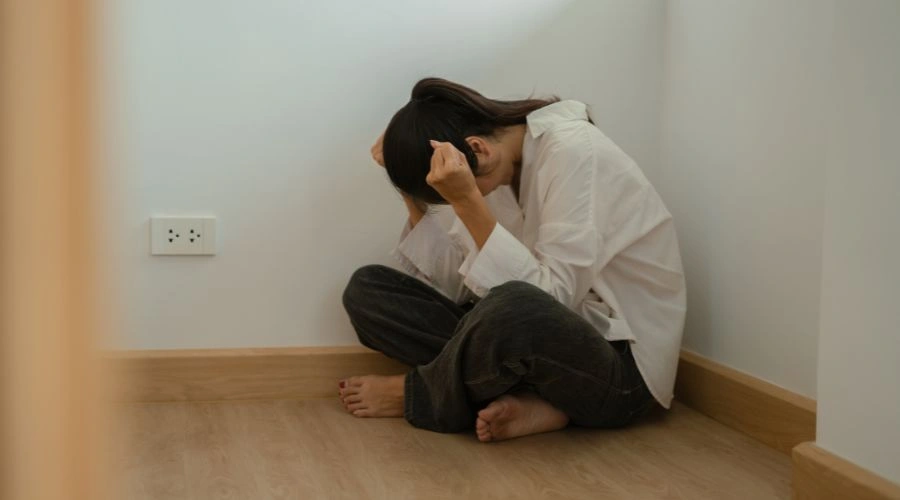
Emotional shutdowns are not your fault. They aren’t something to ignore. Taking a look at how emotional shutdowns affect your life can help you make and meet goals in therapy that help you overcome them and improve your quality of life.
The Effect of Emotional Isolation on Interpersonal Relationships
Emotional isolation refers to feeling disconnected from others and your relationships. This can lead to loss of emotional intimacy. You might feel lonely, even if you’re surrounded by people. You could also feel misunderstood or like you cannot establish the deep connections you want.
Maladaptive Coping Skills
If you have emotional shutdowns, you may have maladaptive ways of managing things like emotional stress, exhaustion, overwhelm, or feelings of disconnection. Social withdrawal and isolation are examples of what this can look like, but they aren’t the only ones.
Sometimes, people who endure emotional shutdowns will meet the criteria for conditions like substance use disorders, which disproportionately affect trauma survivors. The same is true for other mental health conditions, like eating disorders.
What are the Physical Health Effects of Chronic Stress?
Emotional shutdowns and chronic stress can go hand in hand. Overexposure to stress hormones can create or worsen a range of physical health issues.[3] For example:
- Fatigue.
- Sleep disturbance.
- High blood pressure.
- Inflammation.
- Changes in immune responses,
- Gastrointestinal problems.
The body’s stress response is meant to protect you and help you fight off dangerous situations in the short term, but it is not meant to be activated on a prolonged basis. If left unaddressed, other health problems, including long-term health problems, can occur.
Untreated Mental Health Concerns
Those with conditions like post-traumatic stress disorder (PTSD) may have emotional shutdowns. Feeling detached from others, hypervigilance, and ongoing negative or distorted thoughts or feelings about yourself, others, and the world are common PTSD symptoms.
These symptoms can correlate with emotional shutdowns and their effects. For this reason, addressing the underlying causes of shutdowns is important.
How Treatment Helps With Emotional Shutdowns

Now that we’ve gone over some of the ways an emotional shutdown can affect your life, let’s talk about how treatment can help.
Developing Emotional Awareness
Developing emotional awareness requires recognizing and understanding your feelings. Therapy can help you build your emotional vocabulary. Tools like a feelings wheel, which can be found for free online, may help you pinpoint exactly what you are feeling.
Identifying how you feel is the first step toward expressing emotions and learning how to regulate them in a healthy way.
Validating Your Feelings
In addition to developing awareness of your emotions, self-validation can be a goal. Specifically, if you find yourself thinking, “I shouldn’t feel this way,” or “this shouldn’t be overwhelming for me,” learning to validate your feelings can be crucial.
People who face emotional shutdowns (even repeated ones) might also have thoughts like, “I don’t have it as bad as other people,” or “but it’s fine, I can live with them.” Reflecting on how emotional shutdowns affect your quality of life and understanding that you deserve help matters.
Get Accredited Treatment Programs at Catalina
Managing Overwhelming Stress
Managing stress is vital for preventing future shutdowns and preserving your mental and physical health. Therapy for stress management can be incredibly effective. A therapist can help you learn skills like:
- Letting go. Radical acceptance can help with letting go when you feel overwhelmed.
- Mindfulness. Various mindfulness exercises, like deep breathing and meditation, are often taught in groups and individual therapy sessions.
- Distractions. You may find distractions and healthy activities, like physical activity, going outside, games, and art, helpful.
- Communication skills. When emotional withdrawal, shutdowns, or difficulty with emotion regulation affect your ability to form and maintain healthy relationships, learning communication skills is important.
- Positive self-talk. Shutdowns can pair with low self-worth at times. Developing a supportive inner voice is ideal.
Professionals can also help you make a plan for what to do when you have a shutdown or experience intense distress.
Identifying Causes and Contributing Factors
A therapist can help you investigate the possible causes and contributing factors associated with your own emotional shutdowns. Traumatic experiences and unresolved trauma are frequent causes of emotional shutdowns.
Other concerns, such as anxiety and increased stress, can also overload the nervous system. It makes sense, then, that these can also lead to emotional shutdowns.
Looking at how past experiences affect you now can help you understand yourself better and make changes. Similarly, being mindful of your current triggers can prevent a shutdown response.
Finding an Emotional Health Support System

Social support is imperative for us all. Everyone has a unique support system. Yours might include:
- Friends and family.
- Romantic partners.
- Mental health professionals.
- Support groups.
Although many people who go through shutdowns have a tendency to withdraw, emotional connection can be healing.
Building Emotionally Healthy Routines and Habits
Healthy routines and habits can help you prevent emotional exhaustion and avoid getting too overwhelmed in everyday life. It sounds simple, but making sure your basic needs are met is fundamental for emotional regulation.
Practices you implement might include (but certainly aren’t limited to):
- Eating regularly for stable blood sugar, which can influence mood.
- Getting enough rest and using good sleep hygiene.
- Limiting social media.
Combining self-care practices with emotional support from mental health professionals is essential in caring for your mental health.
What are Proven Treatment Options for Emotional Shutdowns?

You deserve to feel safe. Since emotional shutdowns tend to stem from feeling unsafe or overloaded to the extent that your body and mind “shuts off,” this is often a core goal in treatment for those who endure emotional shutdowns.
Therapies used can vary and may depend on what else is going on in your life (e.g., a mental health condition like PTSD). Examples include cognitive behavioral therapy, dialectical behavior therapy, mindfulness-based interventions, narrative therapy, and specialized trauma therapies.
Catalina Behavioral Health offers a full continuum of care for mental health and addiction. Our intensive outpatient program (IOP), for example, lets you get therapy during the week and can accommodate your work or school schedule. For people with more severe symptoms, a higher level of care might be ideal.
When you reach out to our team, we can help you choose the treatment option that’s best for you.
Call Catalina for Help Overcoming Emotional Shutdowns
As you may know all too well, emotional shutdowns can take a significant toll on a person.
They can affect all areas of your life, including social interactions, relationships, work, school, and physical health. Catalina Behavioral Health provides treatment for emotional shutdowns and potential underlying causes.
Located in Arizona, our center accepts most forms of insurance. We’re dedicated to helping people and families thrive. We use an individualized treatment process and are here to help you find what works for you.
Please call our admissions line today to find out how we can help you overcome emotional shutdowns and their underlying causes.
All communications are confidential, so please don’t hesitate to reach out now.
Up To 100% of Rehab Costs Covered By Insurance
FAQs About Emotional Shutdowns
What do you do when your partner shuts down emotionally?
It can be hard when one partner shuts down or withdraws emotionally. When a partner shuts down, they might need space to process and self-soothe. Do not take this personally. When they’re no longer in an active shutdown, open communication matters.
At that time, it could be helpful to talk with your partner about what they need if they enter this state again. A therapist can help you navigate shutdowns and related challenges (e.g., feeling disconnected as a couple).
How do you deal with someone who shuts down?

Staying calm is the key. Remember, the person’s body and mind are perceiving real danger, even if this isn’t the case. Asking simple questions, like “are you overwhelmed?” and “would you like to take space, or do you want me to sit with you?” can be helpful.
How long does an emotional shutdown last?
It varies. Short-term stress might cause shorter shutdowns limited to the same day. However, some people have chronic shutdowns. Treatment can be extremely helpful in learning how to cope with, prevent, and navigate shutdowns.
Why do people shut off emotionally?
Emotional shutdowns are a natural survival mechanism. The brain “shuts” down involuntarily, leading to decreased ability to think and speak clearly, difficulty with emotional expression, and trouble communicating. In time, and with help, shutdowns and chronic shutdowns can improve.
What does shutdown dissociation look like?
Dissociation refers to a state of extreme psychological distress and feelings of disconnection. Shutdown dissociation can involve difficulty concentrating or making decisions, loss of speech production and perception, changes in motor functioning, and decreased responsiveness.
References
- U.S. Department of Health and Human Services. (2025b, January 30). Trauma and stress. National Institutes of Health.
- Eating disorders and trauma. National Eating Disorders Association. (2025, September 23).
- American Psychological Association. (n.d.-a). American Psychological Association.
- PTSD (post-traumatic stress disorder): Symptoms & treatment. Cleveland Clinic. (2025f, September 17).
- Schalinski, I., Schauer, M., & Elbert, T. (2015, May 13). The shutdown dissociation scale (shut-D). European journal of psychotraumatology.