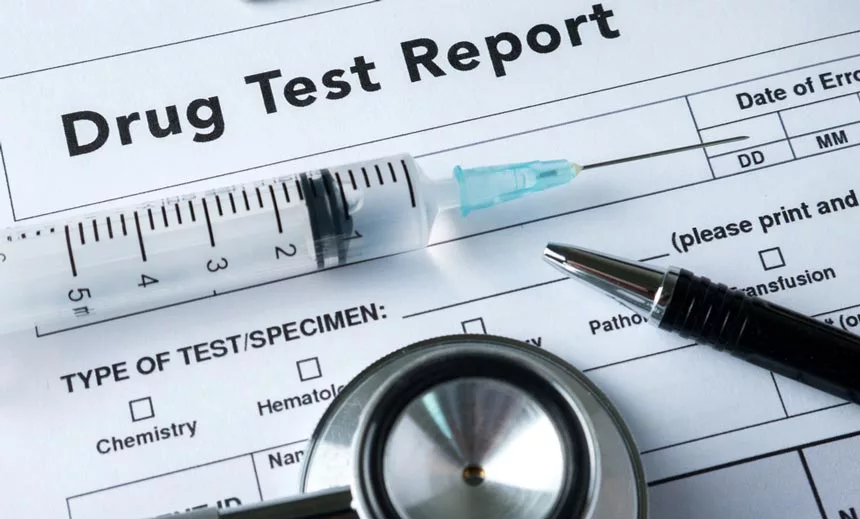
Treatment, Privacy, and Next Steps
A positive drug test can affect employment, licensing, court requirements, and personal well-being.
The right response depends on the testing context, your employer’s policy, the laws that apply to your job, and whether there may be a medical or medication-related explanation for the result.
This page offers general educational information about next steps, privacy considerations, confirmatory testing, and when it may help to seek a clinical assessment or legal guidance.
Keep reading to find out more about how to present positive test results in the best light and show your employer you are taking steps for treatment with Catalina Behavioral Health.
A General Overview of Drug Screening
Drug-testing programs are not all the same. The substances tested, the specimen used, and the review process can vary depending on the employer, the industry, and whether the program is federally regulated.
In federally regulated workplace testing, urine testing historically has been standard, while oral-fluid testing has also been authorized under federal guidelines. Other employers may use different panels or procedures.”
There are five types of substances that are typically tested for during a drug screening:
- Amphetamines
- Cocaine
- Marijuana
- Opiates
- Phencyclidine
These are the most common. However, additional illicit drugs may also be ordered as what’s known as a 12 or 13-panel drug screening.
- Barbiturates
- Benzodiazepines
- Ethanol (alcohol) (alcohol)
- Hydrocodone
- MDMA
- Methadone
- Methaqualone
- Propoxyphene
Typical Process for Confirming Drug Test Results
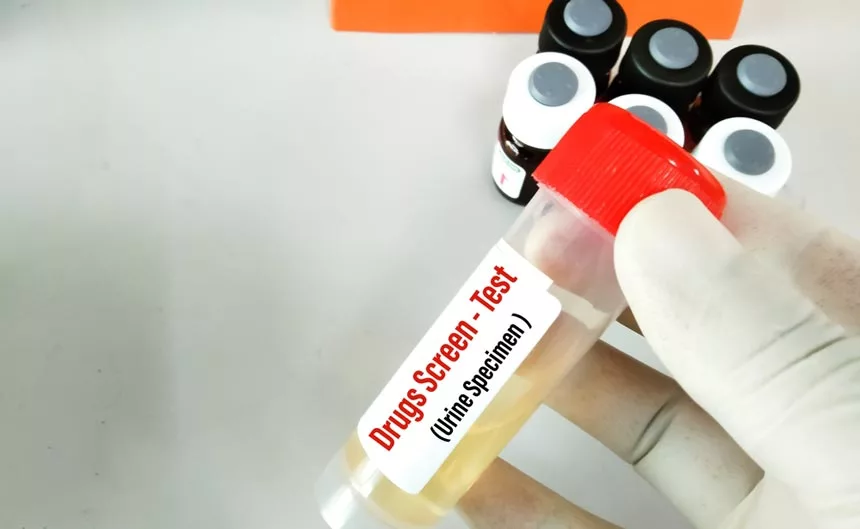
What happens after a positive result depends on the employer’s written policy, the type of job, and the laws or regulations that apply to the workplace.
In some settings, an initial positive result is followed by a confirmatory review. In others, additional employer procedures may apply before a final employment decision is made.
Readers should review their employer’s policy carefully and consider legal guidance when the result could affect employment or licensing
How Are Employees Tested?
Existing staff members may be subject to random drug tests by some companies. An employer may issue a test if they think an employee is under the influence of drugs or alcohol because of obvious symptoms of unfitness for the job or a history of risky work behavior.
Current employees may be subject to testing for a variety of reasons, including as part of an annual physical. However, employees have a right to know that drug testing is included in their yearly physical examination, thus, employers must provide this information. It’s important to be consistent while conducting drug testing on the job.
Drug Testing Should Be Random
To discourage employees from illegally using drugs, a company may use a random selection technique to conduct drug tests. There have been cases when employees have sued their companies for invasion of privacy, defamation, discrimination, or wrongful termination after being subjected to random drug testing.
In no jurisdiction are employees required by law to submit to surprise drug testing, and each state has its own rules about when and how often employers can conduct drug tests.
What Happens If You Fail a Drug Test at Work? Can You Be Fired?
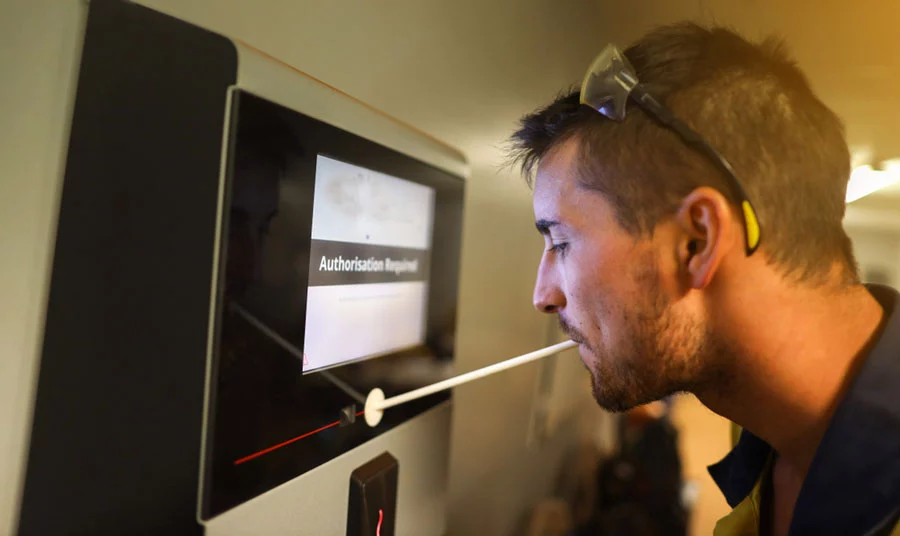
What an employer may do if an employee fails a drug test is subject to different regulations in each state. If a job offer is conditional on a drug test and the applicant fails, it is likely that the offer will be withdrawn. Some jurisdictions provide legal safeguards for working individuals. Employees who submit a positive drug test but agree to attend drug and alcohol rehabilitation.
Vermont and Minnesota are protected from termination under state law. In some jurisdictions, employees can challenge test findings and retake them, or employers must provide advance notice of major repercussions for drug test failure.
The ability of an employer to terminate you is also job-specific. The federal government has standards that might necessitate a certain type of drug test for some contractor employees. If an employee fails an exam, they might lose their job.
HIPAA and Finding a Rehabilitation Program
Privacy protections may come from different places depending on the record involved.
Employer drug-testing records are not always governed by HIPAA, because HIPAA generally does not cover employment records maintained by an employer in its role as employer.
Treatment records created by a covered health care provider may be protected differently.
In Arizona, employer drug-testing records are also subject to confidentiality rules under state law.
What About Medical Marijuana and a Positive Drug Test?
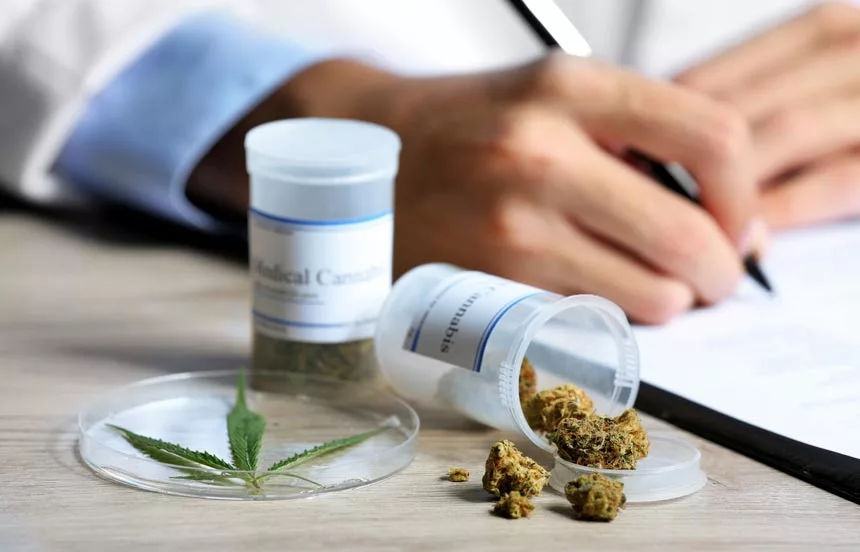
Marijuana-related workplace issues are highly state-specific. In Arizona, a registered qualifying patient may have some legal protections in certain circumstances, but those protections do not prevent all workplace actions.
Use, possession, or impairment at work, as well as safety-sensitive duties and employer policy, may change the analysis.
Because this area is fact-specific, readers should avoid assuming that a medical-marijuana card automatically prevents employment consequences.”
What is the Best Defense for a Positive Drug Test Result?
If you receive a positive result, start by requesting clear information about the testing process, the policy that applies to your role, and whether confirmatory review is available.
If there may be a medical explanation, disclose relevant prescribed medications through the appropriate review process. If substance use is affecting your health or functioning, consider a professional clinical assessment.
Treatment can be an important step for recovery, but it should not be presented as a guaranteed solution to employment or legal consequences.”
Some employees may qualify for the Family Medical Leave Act (FMLA) leave for treatment related to a substance use disorder, but coverage depends on eligibility requirements and the circumstances of the leave.
A positive drug test alone does not automatically create FMLA protection, and readers should not rely on general online information instead of employer policy, HR guidance, or legal advice.”
Rehab can help you overcome your addiction so that you can get your life back on track and get back to work. In the long term, this may be good for your health and your career.
24 Hour Addiction Treatment Hotline
Questions to Ask Before Starting a Urine Test Regimen to Detect Drug Abuse
- What policy applies to my role?
- Was this an initial screen or a confirmed result?
- Is a Medical Review Officer involved?
- Can I provide information about prescribed medications or other possible explanations?
- Is split-specimen or confirmatory testing available?
- What privacy rules apply to my records?
- What support options are available if I need a substance use evaluation or treatment?
It’s important to keep in mind that either a recognized laboratory or a qualified collector should gather the samples needed for the tests.
When conducting screenings, are drug tests protected? There should be no chance of a false positive test result or any tampering.
Private employers must keep all matters pertaining to testing and drug use confidential. You should also know what to do in advance to avoid a false positive test result.
What are the Types of Standard Drug Tests?
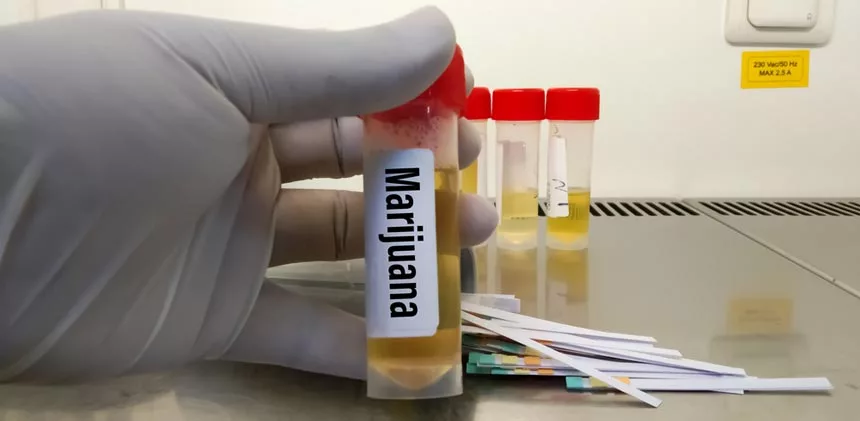
Common specimen types include urine, oral fluid, blood, and hair. The specimen used can affect the window of detection and the interpretation of results.
Because testing methods vary, readers should focus less on generic lists and more on whether the result was reviewed through the proper confirmatory and medical review process.
Although the Secretary of Health and Human Services has recommendations for the inclusion of oral fluid specimens, only urine samples are collected in federally regulated programs.
The following are some potential scenarios in which drug testing might be administered:
Pre-Employment Exams
You can require candidates to undergo a drug test as a prerequisite to employment. In this scenario, prospective employees are subjected to a drug test before being recruited. A positive result usually disqualifies a prospective employee from work.
Checkups With a Doctor Every Year
As part of a yearly checkup, you can provide drug and alcohol tests to your staff. Those being evaluated should be made aware that drug testing is a part of the process. A breach of the employee’s due process rights results from the lack of advance notice.
Reasonable Suspicion and Probable Cause Standards
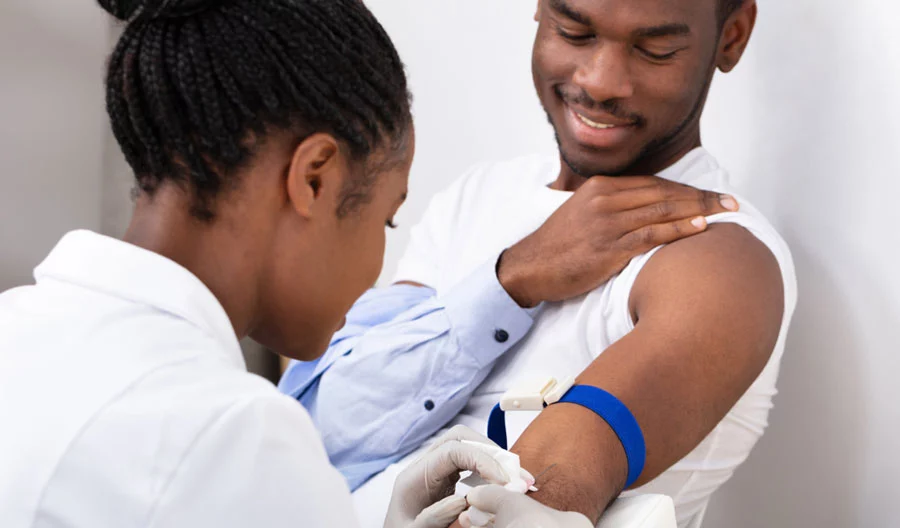
Employers may use different testing triggers, including pre-employment screening, post-accident testing, random testing, or testing based on reasonable suspicion, depending on the workplace rules that apply.
These programs should operate under a written policy rather than ad hoc decision-making.
When a Result May Need Further Review

An initial positive screen is not always the final step. When a result could have major employment, legal, or licensing consequences, confirmatory testing and Medical Review Officer review are important safeguards.
If you take prescribed medications or believe there may be another explanation for the result, raise that information through the appropriate review process as soon as possible
1) Perform Another Drug Test With a Higher Degree of Accuracy
In most cases, your initial sample will be retested with a more sophisticated technique that can identify and remove potential confounding chemicals.
The laboratory can do a different test to ensure that you have not used the substances of interest if you have recently taken any medications that could have created a false-positive result. It may help your case for a second chance if you disclose your use of these substances to your employer.
Any uncertainty about the accuracy of the results can be put to rest with the help of confirmatory tests like Gas Chromatography-Mass Spectrometry and the High-Performance Liquid Chromatography Test.
In many cases, consumers depend on these more reliable tests as the last verification step. Due to the high cost and technical complexity, they are not the first test conducted.
2) What If the False Positive Test is Confirmed as Positive?
If the results of the advanced, confirmatory drug tests are positive, even though you are confident that the result is a false positive, you should probably speak with an attorney about how to best defend yourself.
Getting Support After a Positive Drug Test
A positive drug test can bring fear, shame, and uncertainty. If substance use has become difficult to manage, reaching out for a professional assessment can be a constructive next step.
You do not need to make assumptions about your diagnosis or treatment needs on your own.
A qualified clinician can help you understand your options and decide what level of care, if any, may be appropriate.”
Ask for Help from a Medical Professional

A physician’s training includes learning what signs to look for and how to proceed while treating a client. Make an appointment with your doctor if you feel you need to talk about any difficulties you’ve been having. You should expect them to ask you certain questions designed to help them better guide you. Doctors are unfazed by most things, which is reassuring when you need to reveal something embarrassing.
Use Internet Resources
Numerous tools, including hotlines, online forums, and websites of rehabilitation centers, are available online. Many results may be found with just a few clicks on Google. It’s OK to seek help online rather than face-to-face, and sharing your struggles with others who understand may be comforting. Some people find it beneficial to initiate a conversation with an unfamiliar person before turning to a friend or family member.
There is no one more equipped to guide you than someone who has been where you are now and made it through. People like this are usually quite approachable and interested in hearing your side of the story. They’ve been in your shoes before and will do what they can to put your mind at ease. Inquire about the specifics of their successful strategy to ascertain if you might undertake it on your own.
If substance use may be affecting your health, work, or relationships, Catalina Behavioral Health can help you explore treatment options confidentially.
Our team can explain levels of care, answer admissions questions, and help you decide whether a clinical assessment makes sense for your situation.
Many Forms of Insurance Accepted
The Best Defense for Positive Drug Test Results: Catalina
If you are dealing with a positive drug test and also wondering whether you need help for substance use, a confidential assessment can help clarify your next steps.
Catalina Behavioral Health provides addiction and mental health treatment options in Arizona and can help you understand admissions, program levels, and insurance questions.”
References:
Arizona State Legislature. (n.d.). 23-493.04. Testing policy requirements. Arizona Revised Statutes.
Arizona State Legislature. (n.d.). 23-493.09. Confidentiality of results; access to records. Arizona Revised Statutes.
Arizona State Legislature. (n.d.). 36-2813. Discrimination prohibited. Arizona Revised Statutes.
Arizona State Legislature. (n.d.). 36-2851. Employers, driving; minors; control of property; smoking in public places and open spaces. Arizona Revised Statutes.
Equal Employment Opportunity Commission. (n.d.). Substance use and the ADA.
Equal Employment Opportunity Commission. (n.d.). The ADA: Your responsibilities as an employer.
U.S. Department of Health and Human Services, Office for Civil Rights. (2025, March 14). Summary of the HIPAA Privacy Rule.
U.S. Department of Health and Human Services, Office for Civil Rights. (2020, November 2). Employers and health information in the workplace.
U.S. Department of Labor, Wage and Hour Division. (n.d.). Family and Medical Leave Act advisor: Substance abuse treatment.
U.S. Department of Labor, Wage and Hour Division. (2022, May). Fact sheet #28O: Mental health conditions and the FMLA.
Substance Abuse and Mental Health Services Administration. (2026, February 23). Workplace drug testing resources.
Substance Abuse and Mental Health Services Administration. (n.d.). Frequently asked questions about federal workplace drug testing.
Substance Abuse and Mental Health Services Administration. (2024). Medical Review Officer guidance manual for federal workplace drug testing programs.
Substance Abuse and Mental Health Services Administration. (n.d.). Drug testing for safety- and security-sensitive industries.