

A Guide on Overcoming Marijuana Withdrawal Sleep Disturbances
You’ve finally made the big decision to quit marijuana once and for all, but it may not be as easy as mind over matter. Many people are surprised to learn about the strange side effects of quitting weed, such as weed withdrawal nightmares. Marijuana affects the brain by interacting with cannabinoid receptors and altering neurotransmitters like anandamide, dopamine, and serotonin, which play key roles in sleep and mood. What are they, and how do you make them stop?
Weed withdrawal nightmares occur because your body returns to a REM sleep cycle without weed to influence your sleeping habits. Quitting marijuana can disrupt sleep cycles and lead to withdrawal symptoms, including nightmares. You dream more and often find those dreams more vivid and intense.
This is due to the rebound effect, where stopping marijuana use leads to an increase in REM sleep and more vivid or disturbing dreams. Possible treatment options include therapeutic and medical help, managing bedtime anxiety, and creating a bedtime routine.
Many people use marijuana to help with sleep or anxiety, but some continue using cannabis to avoid withdrawal symptoms. Catalina Behavioral Health knows how uncomfortable these early days of sobriety can be. That’s why we offer care at every level so that we can help you rest and heal. And it may help to know that risk factors such as starting marijuana use at an early age or having underlying mental health conditions can increase the likelihood of experiencing severe withdrawal symptoms.
Keep reading to learn more about how vivid dreams can impact you shortly after quitting weed.
Get Effective Detox and Rehab Options at Catalina
Marijuana Withdrawal Symptoms and Vivid Dreams
Unfortunately, sleep might not be forthcoming immediately upon quitting weed. Quitting marijuana can lead to sleep problems, including difficulty falling asleep and disturbed sleep cycles. Many people rely upon the drug to relax them enough to slip beneath the surface of their sleep but quitting disrupts patterns that you may have become accustomed to. However, that isn’t the only issue.
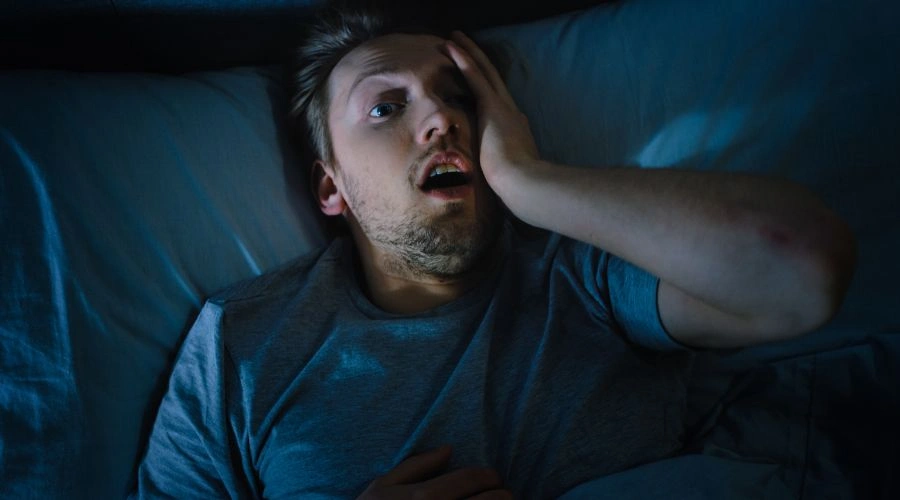
When you do eventually fall asleep in cannabis withdrawal syndrome, you likely experience vivid dreams that feel incredibly real upon waking. Sleep disturbance and sleep disruption are common during cannabis withdrawal, often resulting in poor sleep quality.
Some people have a hard time differentiating between dreams and reality when they wake up. This can be disorienting at best and worrisome at worst. These symptoms can significantly affect a person’s ability to get restful sleep and function during the day.
Physical signs of withdrawal, such as night sweats, stomach pain, and shakiness, are also common. Night sweats often occur alongside sleep disturbances. Sleep disturbances during cannabis withdrawal can last for several weeks, and the severity of withdrawal symptoms typically peaks within 2-6 days after quitting.
But what causes these intense dreams when you give up a marijuana addiction?
The REM Sleep Cycle and Disturbing Dreams
According to the University of Michigan, the issue is that your marijuana use has hindered your body’s ability to enter into REM sleep. Marijuana suppresses REM sleep cycles, and when you stop using it, a rebound effect occurs, leading to an increase in REM sleep. When you try to head to bed without smoking weed, that REM sleep comes back to you in full force.
After a long absence, it can stimulate this sleep cycle and result in an improved ability to dream. This rebound REM sleep often causes strange dreams and vivid and intense dreams, which are common during cannabis withdrawal.
Not only do you suddenly start to dream more, but those dreams may be far more realistic and worrying than you have had in the past. Many people don’t dream of positive things anymore. Instead, it shifts to troublesome scenarios and anxiety-producing nightmares.
For most people, these vivid dreams and nightmares are temporary and subside within a few weeks to a month as the brain recalibrates, though nightmares may last for three weeks or more depending on your usage patterns and withdrawal severity.
The question is: what can you do about it if you’re tired of having those vivid nightmares if you want to stay sober and continue with cannabis withdrawal?
How to Mitigate Intense Dreams from Marijuana Withdrawal

Bizarre dreams are one of the most common symptoms of the withdrawal phase of cannabis use disorder. Other forms of therapy and intervention, such as behavioral and pharmacological treatments, may be considered for managing sleep disturbances.
Using cannabis or smoking pot to self-medicate sleep problems can lead to dependency and may worsen withdrawal symptoms. But bad dreams night after night limit a person’s ability to find true rest at night. Their uncomfortable symptoms might make them more anxious in daily routines and irritable from lack of sleep. Sleep disturbances can persist for at least two weeks or more after stopping cannabis, especially for heavy users.
Fortunately, you can do a few things to limit the likelihood of nightmares disrupting your sleep.
Get Help to Fall Asleep
Scary dreams might make it nearly impossible for you to drift off each night. Insomnia is likely due to worrying about what you’ll experience when you’re unconscious. Not to mention, insomnia is a well-known issue associated with weed withdrawal symptoms.
You should consult a medical provider if you think that you could use some help with your sleep cycle. A trained therapist may be able to refer you to a doctor specializing in this area with a non-habit-forming medication that helps you fall asleep and potentially stay there without dreaming.
It may not be a long-term solution, but it’s a good option right now to help you stay sober and get the rest you need to focus on other aspects of your treatment. You can always taper off this medication as your dreams fall back in line with what is normal for you.
These symptoms usually last about three weeks. It’s not listed in the Diagnostic and Statistical Manual used for diagnosis but is prominent nonetheless.
Manage Anxiety Around Bedtime
Once you fall into the cycle of not sleeping in anticipation of vivid dreams, you might experience more anxiety as bedtime rolls around. In turn, this anxiety hinders your ability to fall asleep. Meanwhile, the anxiety also colors the types of dreams you’re prone to have in the few hours of shuteye you grab.
To minimize your anxiety around bedtime, think about the type of content you consume. Maybe you should think twice about watching that true crime television show or find a different time of day to watch the local news if you find it stress-inducing.
If all else fails and natural remedies don’t work, consider that you may need to seek professional help to get your anxiety under control. Keep in mind that you don’t want to continue self-medicating anxiety with weed.
Create a Bedtime Routine

Getting REM sleep is crucial for the body to function at its best. One way to set yourself up for success is to have a clearly defined bedtime routine you follow every night. This could mean that you light a candle and enjoy the flame for a little while. Maybe you make a gratitude list, pray, meditate, or journal.
Choose small items that bring comfort to you and are simple to put in place. The more barriers there are to activating your routine, the less likely you will be to stick with it. Sustainable practices will help you get through the evening hours.
As long as you’re following this routine, you are also less likely to return to marijuana use because it simply isn’t a part of the routine.
Learn from Cognitive Behavioral Therapy
When you’re introduced to treatment for cannabis cessation, one of the treatment modalities a clinician might start with is cognitive behavioral therapy (CBT). This therapeutic modality is designed to help you interrupt thoughts and feelings before they lead to actions. Why is it so important if you’re having these vivid dreams and nightmares?
Upon waking up from one of these dreams, your heart might be racing, and you want relief from the stress of the dream. It could be tempting to turn back to drug use, knowing that it gave you a solid night of sleep and lowered your overall anxiety.
CBT gives you the framework to think differently about your situation. You can wake up, take stock of your feelings, and then make a conscious decision to continue quitting weed.
Catalina Behavioral Health takes this approach alongside others to give you the tools needed to get past cannabis use once and for all.
Monitor for More Serious Withdrawal Symptoms

While nightmares tend to be the most common symptom of quitting weed, that isn’t to say that they are the only thing that could disrupt your sleep. For many people, insomnia plagues them until their body is used to unwinding without the pharmaceutical help of cannabis.
In rare cases, you may also experience psychosis in withdrawal. It is challenging to identify the difference between psychosis and a very vivid dream when you wake up.
This is why a sub-acute detox for cannabis is often the best move for clients who want to be on the safe side when quitting weed.
Effective Detox and Recovery Support for Cannabis Withdrawal
What does effective detox and recovery from cannabis withdrawal really look like for you? The positive news is that overcoming withdrawal goes far beyond simply stopping your cannabis use. When you’re dealing with those vivid dreams, nightmares, and sleep difficulties, you’ll find hope in taking a holistic approach that addresses your body, mind, and emotions together.
Your effective detox plan can combine the medical support you deserve with therapeutic interventions, ensuring you have the tools to manage those uncomfortable symptoms and reduce your risk of relapse.
Can Medications Help Manage Weed Withdrawal Symptoms?
In some cases, you may find that medications such as lithium or nitrazepam can help ease your symptoms and improve your sleep. Alongside any medication, therapies like cognitive behavioral therapy (CBT) and contingency management can help you develop the healthy coping strategies you need, manage your anxiety, and stay motivated throughout your personal recovery journey.
What’s important for you to remember is that your detox isn’t only about getting cannabis out of your system: it’s about building a foundation for the lasting change you’re seeking.
With the right support and a comprehensive plan designed for you, you can navigate the challenges of cannabis withdrawal, including those vivid dreams and nightmares, and move toward the restful sleep and better well-being you deserve.
Staying Motivated and Focused in Recovery from Weed Abuse
Maintaining motivation and focus throughout the cannabis withdrawal process presents unique clinical challenges, particularly when anxiety, stress, and withdrawal manifestations create what can feel like overwhelming daily obstacles.
Establishing solid goal-setting milestones and acknowledging incremental progress markers can serve as powerful therapeutic tools to maintain treatment adherence and provide tangible reminders of your recovery journey’s advancement.
Providing Coping Tools and Support for Cannabis Cessation
At Catalina, we help by implementing clinically-proven stress management and anxiety reduction techniques, which are also a critical component of successful withdrawal management.
Daily support can come in the form of structured physical activity, therapeutic creative engagement, or meaningful social connection, and can provide essential coping mechanisms designed specifically to redirect focus from craving episodes and negative thought patterns.
It’s important to understand that experiencing difficult periods is a normal part of the withdrawal process, but surrounding yourself with positive environmental influences and maintaining focus on measurable progress can significantly impact your treatment outcomes.
Professional support networks, whether through family systems, peer groups, or structured recovery programs, can substantially enhance motivation levels and provide the accountability framework essential for long-term success.
By maintaining active engagement with these support structures, you’ll find yourself better equipped to navigate the complexities of cannabis withdrawal while keeping your therapeutic goals at the forefront of your recovery process.
Up To 100% of Rehab Costs Covered By Insurance
Get Support to Put Down Cannabis and Sleep Better Today
Are you ready to start getting a full night of sleep without those pesky nightmares keeping you awake with a pounding heart and excessive sweating? Catalina Behavioral Health knows how challenging it can be to give up marijuana and walk through those early days of recovery and sobriety, which is why we offer help at every level of care.
You can start in our program with a sub-acute detox, where we will make you comfortable, keep you safe, and prevent you from returning to weed when uncomfortable symptoms arise. From here, you can move to residential treatment and intensive outpatient as it fits your needs.
Our enrollment team can answer all of your questions about quitting weed and enrolling in our program. Call us today to ask questions and verify your insurance benefits so that we can reserve a spot for you!
FAQs on Nightmares When You Stop Smoking Weed or Consuming Marijuana
Why do I experience vivid and intense dreams after quitting weed?
When you stop using marijuana, your brain experiences a rebound effect in the REM sleep cycle. Marijuana suppresses REM sleep during use, so quitting leads to an increase in REM sleep, which causes more vivid and intense dreams or nightmares. This is a normal part of cannabis withdrawal as your brain readjusts to functioning without THC.
How long do weed withdrawal nightmares usually last?
For most people, weed withdrawal nightmares and vivid dreams last for about two to three weeks after quitting. However, the duration can vary depending on factors like how heavily you used cannabis, your individual brain chemistry, and any underlying mental health conditions. Nightmares typically subside as your brain recalibrates its sleep cycles.
Can nightmares from quitting marijuana be a sign of something more serious?
While vivid dreams and nightmares are common withdrawal symptoms, in rare cases, some individuals may experience withdrawal-related psychosis or severe anxiety. If nightmares become extremely disturbing, frequent, or are accompanied by other concerning symptoms like hallucinations or severe mood changes, it’s important to seek professional help from a mental health provider.
What can I do to reduce nightmares and improve sleep quality during cannabis withdrawal?
Practicing good sleep hygiene, such as maintaining a consistent bedtime routine, avoiding screens before bed, and managing anxiety through relaxation techniques or cognitive behavioral therapy (CBT), can help. In some cases, consulting a medical professional for non-habit-forming sleep aids or therapy may be beneficial to manage sleep disturbances and reduce nightmares during withdrawal.
References
- University of Michigan. (2021, January 14). How to sleep if you’re trying to quit weed . Michigan Medicine.
- Connor, J. P., Stjepanović, D., Budney, A. J., Le Foll, B., & Hall, W. D. (2022). Clinical management of cannabis withdrawal. Addiction (Abingdon, England), 117(7), 2075–2095.
- Hesse, M., & Thylstrup, B. (2013). Time-course of the DSM-5 cannabis withdrawal symptoms in poly-substance abusers. BMC psychiatry, 13, 258.
- Bidwell, L. C., Sznitman, S. R., Martin-Willett, R., & Hitchcock, L. H. (2024). Daily associations with cannabis use and sleep quality in anxious cannabis users. Behavioral sleep medicine, 22(2), 150–167.